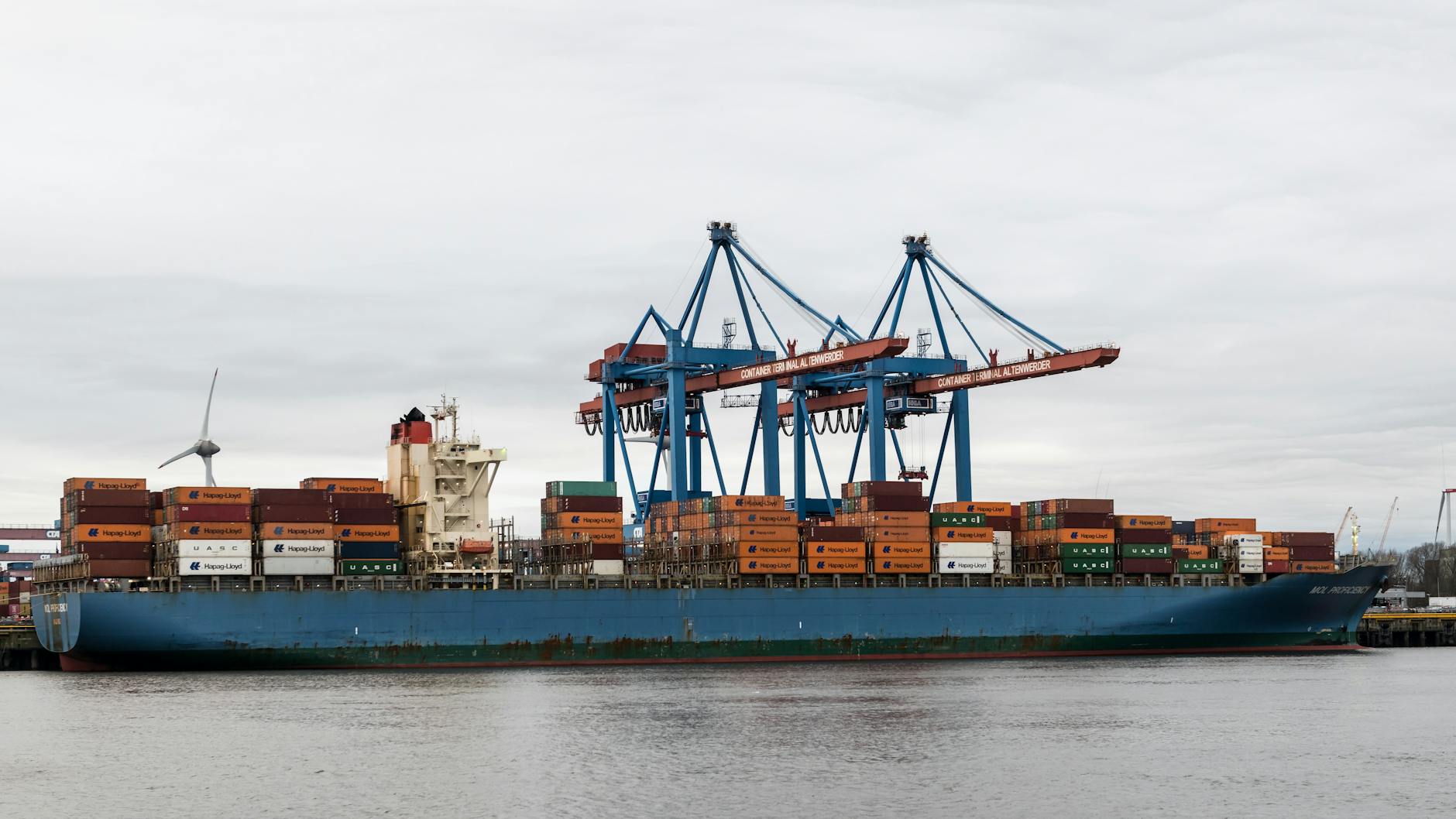
Export Growth Shifts the Forging Supply Chain
September saw a noticeable jump in Chinese passenger‑vehicle exports, driven by aggressive pricing in Southeast Asian and African markets. The surge pushes OEMs to secure larger volumes of forged components – crankshafts, transmission gears and suspension links – that can tolerate higher mileage and harsher operating conditions abroad. As the export pipeline widens, manufacturers are re‑evaluating their steel sourcing strategies to balance cost, alloy performance and lead‑time reliability.
For the forging sector, the immediate implication is a tighter market for grades that excel in open‑die and ring‑rolling processes. Carbon‑alloy grades such as C45 and EN8 remain popular for medium‑strength shafts, while higher‑alloy steels like 42CrMo4 are sought for critical power‑train parts. Buyers should prioritize suppliers that can provide consistent chemistry across large batches, especially when scaling production for overseas delivery.
Kesari Alloys offers a full suite of forging ingots that are compatible with open die, ring rolling and upsetting operations. Its catalog also includes continuous cast billets and blooms that can be directly fed into hot‑forming lines, reducing handling steps and inventory buffers. For applications where dimensional precision and surface finish are paramount, the C45 carbon steel grade delivers a proven balance of tensile strength and machinability.
Industry Context: Material Choice vs. Cost Pressures
While Chinese manufacturers benefit from lower labor costs, raw material pricing is becoming more volatile due to global logistics constraints and rising demand for alloy steel in electric‑vehicle platforms. This volatility forces OEMs to lock in supply contracts early and to work with steel producers that can guarantee grade continuity across shipments. The ability to source both ingots and downstream billets from a single supplier helps mitigate the risk of grade substitution, which can trigger re‑qualification cycles and delay export schedules.
Kesari Alloys Perspective
The export surge underscores the need for a resilient steel supply chain that can keep pace with fluctuating demand. For a forging‑grade steel manufacturer like Kesari Alloys, the trend translates into greater emphasis on maintaining tight chemical tolerances and offering a broad grade portfolio that matches the performance envelope of automotive components. Buyers looking for an "alloy steel forging ingots manufacturer in India" will find Kesari’s integrated product line – from ingots to billets and rolled bars – well‑suited to support rapid scale‑up while preserving part quality.
Strategically, OEMs should evaluate suppliers on their ability to provide end‑to‑end solutions, including technical support for heat‑treatment and forging simulation. Aligning with a vendor that stocks key grades such as C45 and EN8 can shorten lead times, reduce inventory costs, and ensure that the final forged parts meet the stringent durability standards required for overseas markets.


