Exports & Global Markets
China‑Driven Dip in Indian Iron Ore Exports Hits Forging Supply Chain
21h ago•13 October 2026•2 min read•Source: BigMint

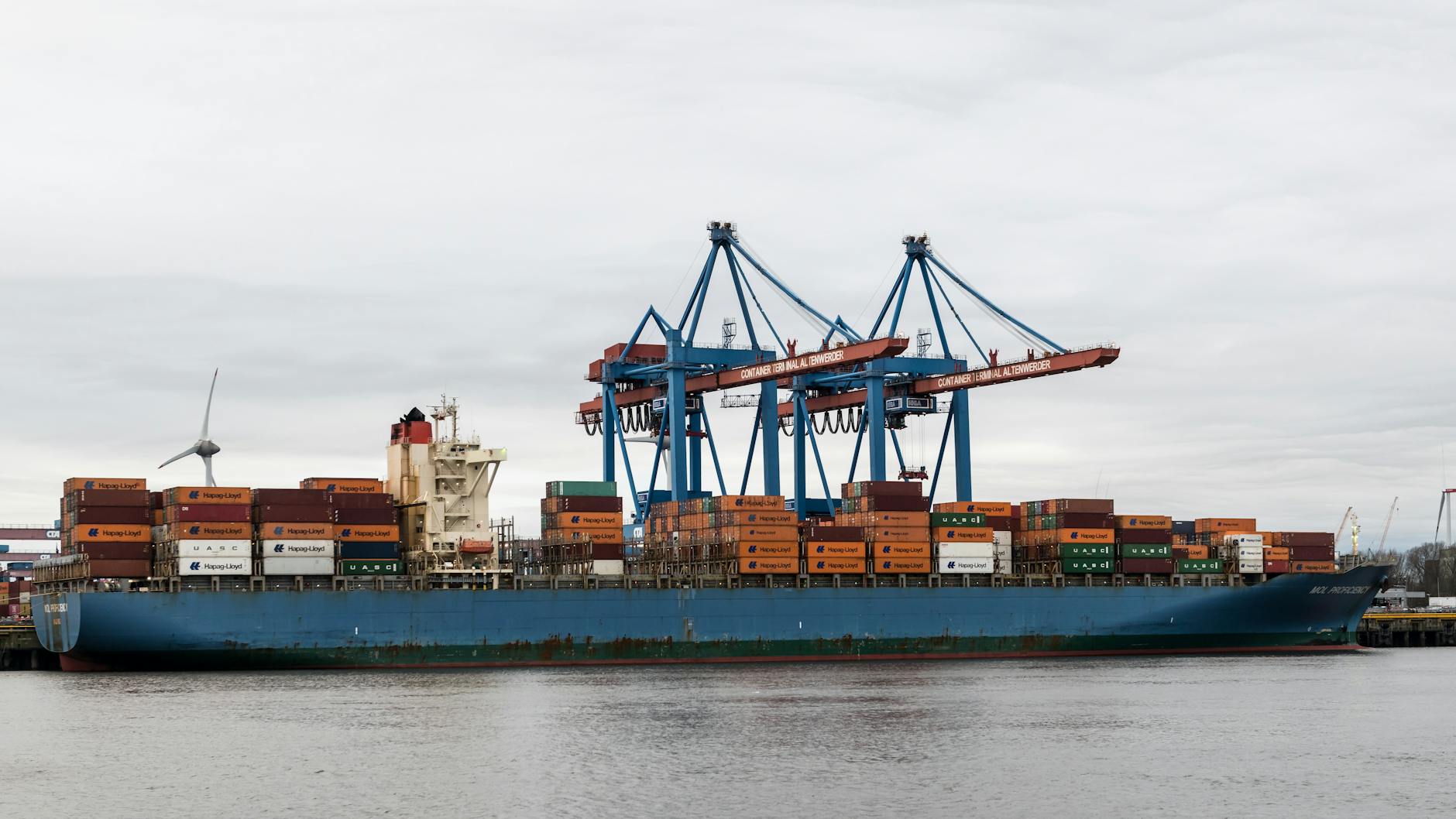
Photo: Wolfgang Weiser / Pexels
Key Highlights
- Chinese demand slump drives Indian iron‑ore exports to a 4‑year low.
- Reduced ore flow may tighten steel billet and forging‑ingot supplies.
- Specialty alloy grades could see price pressure as mills shift to higher‑margin products.
- Kesari Alloys’ diversified ingot and billet range offers resilience for OEMs.
Market Shift Overview
In September 2026 Indian iron‑ore shipments fell to their lowest level in almost four years. Chinese steel mills have cut imports as excess capacity and weaker downstream demand bite, reducing the flow of raw material into Indian steel plants. The resulting squeeze on ore supplies tightens the availability of downstream products such as forging ingots and billets.
Implications for Forging and Heavy‑Engineering Sectors
Forging houses that depend on a steady feed of high‑grade steel for open‑die, ring‑rolling and upsetting operations may see narrower inventory windows and will need to revisit price forecasts. With less ore entering the market, steel producers are likely to give priority to higher‑margin alloy grades, which could lift the cost of specialty steels such as 42CrMo4 or EN8. Buyers should therefore track both ore‑price movements and the forward‑selling programmes of their mills.
Kesari Alloys Perspective
For a manufacturer such as Kesari Alloys, a dip in ore imports underscores the importance of a diversified raw‑material base and a broad grade portfolio. Its forging ingots are produced from both domestic and imported iron sources, giving customers flexibility when ore supply tightens. Likewise, the continuous cast billets and blooms provide a ready‑to‑forge feedstock that can absorb short‑term market fluctuations without compromising quality. Buyers looking for an "alloy steel forging ingots manufacturer in India" should evaluate a supplier’s ability to manage raw‑material risk while delivering consistent chemical composition across grades such as C45 and EN8.
Why This Matters for Steel Buyers
When iron‑ore availability narrows, steel mills tend to favour contracts with established ingot and billet producers that can guarantee consistent chemistry. For buyers sourcing grades such as C45 carbon steel for crankshafts or gear shafts, confirming a supplier’s inventory depth and raw‑material sourcing strategy becomes a critical qualification step.
In practice, this means requesting mill‑test certificates, verifying the supplier’s ability to source domestic ore, and timing purchases to align with expected ore‑price cycles. Companies that can demonstrate a stable supply of forging ingots and continuous‑cast billets will be better positioned to avoid production delays and protect project margins.
Frequently Asked Questions
How does the decline in Indian iron‑ore exports affect forging‑grade steel prices?
Tighter ore supplies can push steel mill margins higher, which often translates into modest price increases for forging‑grade ingots and billets.
Should I consider alternative grades if my usual alloy becomes scarce?
Evaluating similar chemistry grades, such as moving from 42CrMo4 to EN8, can maintain performance while mitigating supply risk.
What should I ask a supplier like Kesari Alloys to confirm raw‑material security?
Ask for details on domestic ore sourcing, inventory levels of [[L1|forging ingots]], and any contingency plans for ore‑supply disruptions.
Is Kesari Alloys a reliable partner for long‑term forging projects?
Yes, Kesari Alloys offers a wide range of carbon, alloy and stainless forging ingots, billets and rolled bars, supported by a long‑standing presence in India since 1987.
#iron ore exports
#forging ingots
#alloy steel manufacturer india
#steel supply chain
#forging grades