Steel Prices
Brazilian Pig Iron Price Drop Tightens Raw Material Costs for Forging Steel Suppliers
1h ago•4 October 2026•2 min read•Source: Google News: steel scrap price India

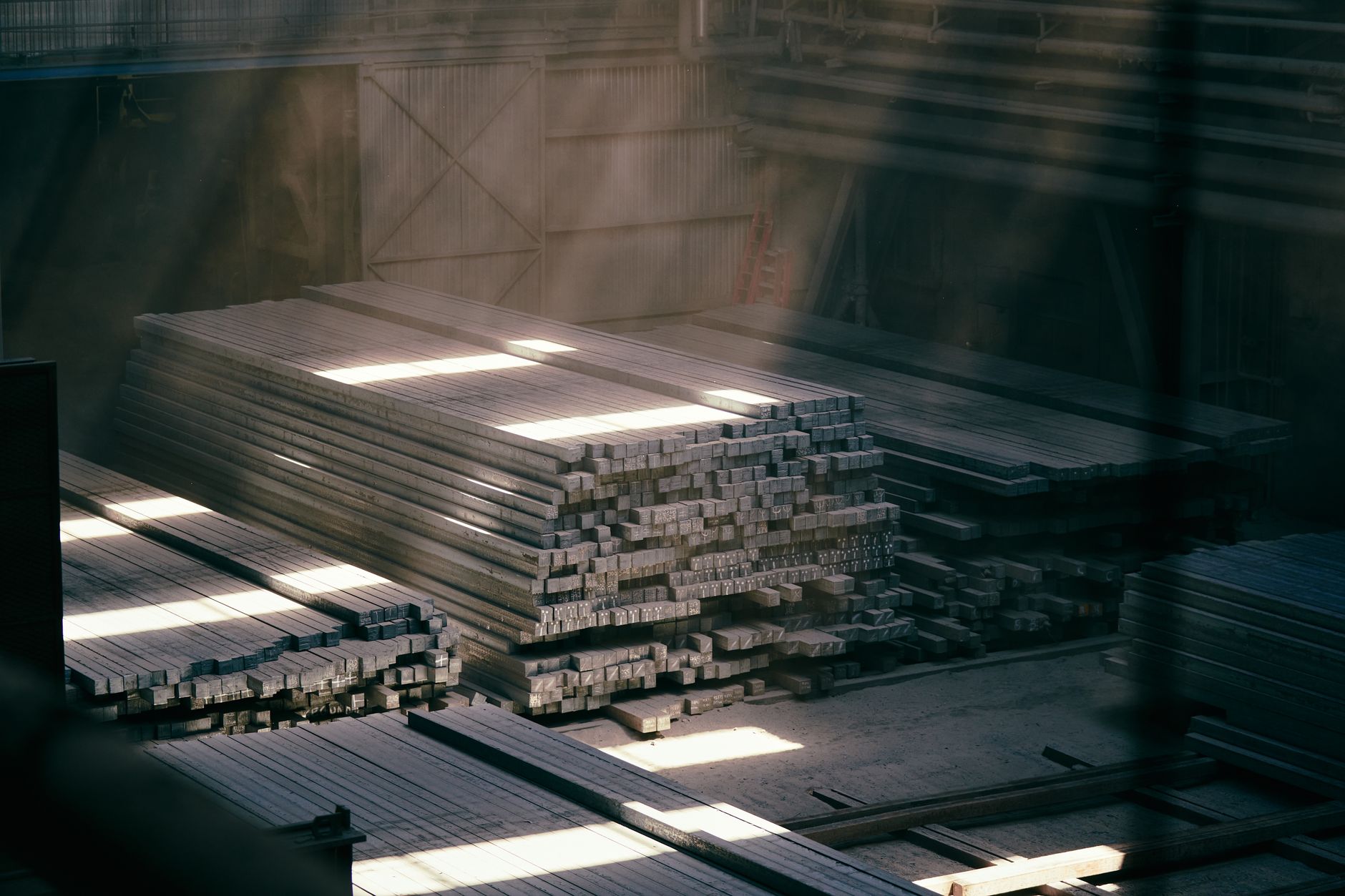
Photo: Ryan Lansdown / Pexels
Key Highlights
- Brazilian pig iron fell $20/t in September, the sharpest drop this year
- Lower hot‑metal costs can reduce production expenses for forging ingots
- Cost savings are offset by the need for precise alloying and scrap management
- Kesari Alloys can leverage diversified sourcing to keep forging grades competitive
Market Shift in Brazil’s Pig Iron Prices
The GMK Center reports that September saw Brazilian pig‑iron prices fall by $20 per tonne, the steepest monthly decline this year. The dip stems from softer automotive‑sector steel demand and higher export volumes from Brazil’s iron‑ore mines, which have eased pressure on the domestic pig‑iron market. For downstream steelmakers, lower pig iron translates into a modest reduction in hot‑metal costs, but the benefit varies across product families because furnace charge mixes differ.
Implications for Forging‑Grade Steel Production
Forging‑ingot producers, especially those serving open‑die and ring‑rolling customers, watch pig‑iron trends closely because the material makes up a large portion of the charge for carbon and alloy ingot grades. A $20/t swing can shave a few percent off the overall cost structure, influencing pricing for grades such as 42CrMo4 or EN8. However, the effect is tempered by the need to maintain precise chemistry, which often requires supplemental scrap or alloy additions priced independently.
Kesari Alloys Perspective
For a manufacturer like Kesari Alloys, the Brazilian price movement underscores the importance of diversified raw‑material sourcing. While lower pig iron can improve margins on its forging ingots, the company must still balance alloy‑element costs and ensure consistent quality for customers in automotive, power and heavy engineering. Buyers seeking a reliable "alloy steel forging ingots manufacturer in India" should evaluate how a supplier manages such input volatility, looking for transparent procurement practices and a broad grade portfolio.
Why This Matters for Steel Buyers
A decline in pig‑iron prices narrows the cost gap between domestically produced ingots and imported equivalents, prompting buyers to renegotiate pricing with forging‑grade steel suppliers. By timing purchases to capture the lower‑cost window, high‑volume OEMs can improve project economics and protect margins.
When qualifying a supplier, buyers should ask how the manufacturer buffers raw‑material price swings while preserving grade integrity. Kesari Alloys’ extensive steel grade family enables customers to shift to alternative grades—such as C45 or EN8—if specific alloying costs rise, providing budgeting flexibility.
Related from Kesari Alloys: continuous cast billets and blooms.
Frequently Asked Questions
How does a drop in pig iron prices affect the cost of forging ingots?
Pig iron is a primary charge material for carbon and alloy ingots, so a price decline reduces the base cost of producing forging grades, though final pricing also depends on alloying additions and scrap.
Can I source forging ingots from India to avoid Brazilian price volatility?
Yes, manufacturers like Kesari Alloys in India produce a full range of forging ingots and can offer price stability through diversified raw‑material sourcing.
What grade should I consider if I need a cost‑effective carbon steel for crankshafts?
C45 carbon steel is a common choice for crankshaft forgings, balancing strength and machinability; see the Kesari Alloys C45 grade page for specifications.
Do lower pig iron prices mean I should reorder my inventory now?
Potentially, as the reduced input cost can lower the price of new ingot shipments, but buyers should also assess lead‑time and any upcoming alloying price changes before committing.
#steel prices
#pig iron
#forging ingots
#alloy steel manufacturer india
#raw material cost