Steel Prices

Automotive Exhaust Growth Fuels 400‑Series Stainless Steel Demand Through 2035

Automotive Exhaust Growth Fuels 400‑Series Stainless Steel Demand Through 2035

Photo: Bence Szemerey / Pexels

Key Highlights

  • 400‑series stainless steel demand driven by stricter vehicle emissions and lighter exhaust designs
  • Projected CAGR of >5% through 2035, with strongest growth in gasoline‑direct‑injection engines
  • Supply bottlenecks expected as new melt‑shop capacity rolls out over 12‑18 months
  • OEMs need forging‑grade ingots with tight chemistry to avoid re‑work and scrap
  • Integrated sourcing of ingots, billets and bars can simplify logistics for Indian manufacturers

Market Outlook and Drivers

The 400‑series stainless steels, especially 409 and 430, are seeing a pronounced upside as global vehicle manufacturers tighten emissions standards and shift to lighter exhaust systems. IndexBox forecasts a compound annual growth rate of over 5% for the segment, driven by higher production of gasoline‑direct‑injection engines and the rollout of hybrid powertrains that still rely on conventional exhausts. The growth is not limited to passenger cars; commercial trucks and off‑road equipment are also adopting thinner, corrosion‑resistant exhaust tubing to meet durability targets while shaving weight.

Supply‑side dynamics are tightening. Primary stainless producers in Europe and China have announced modest capacity expansions, but the lead time for new melt shops remains 12‑18 months. This lag creates a window for specialty steel suppliers that can deliver ready‑to‑forge or rolled forms of 400‑series grades on short notice.

Implications for Forging and OEM Supply Chains

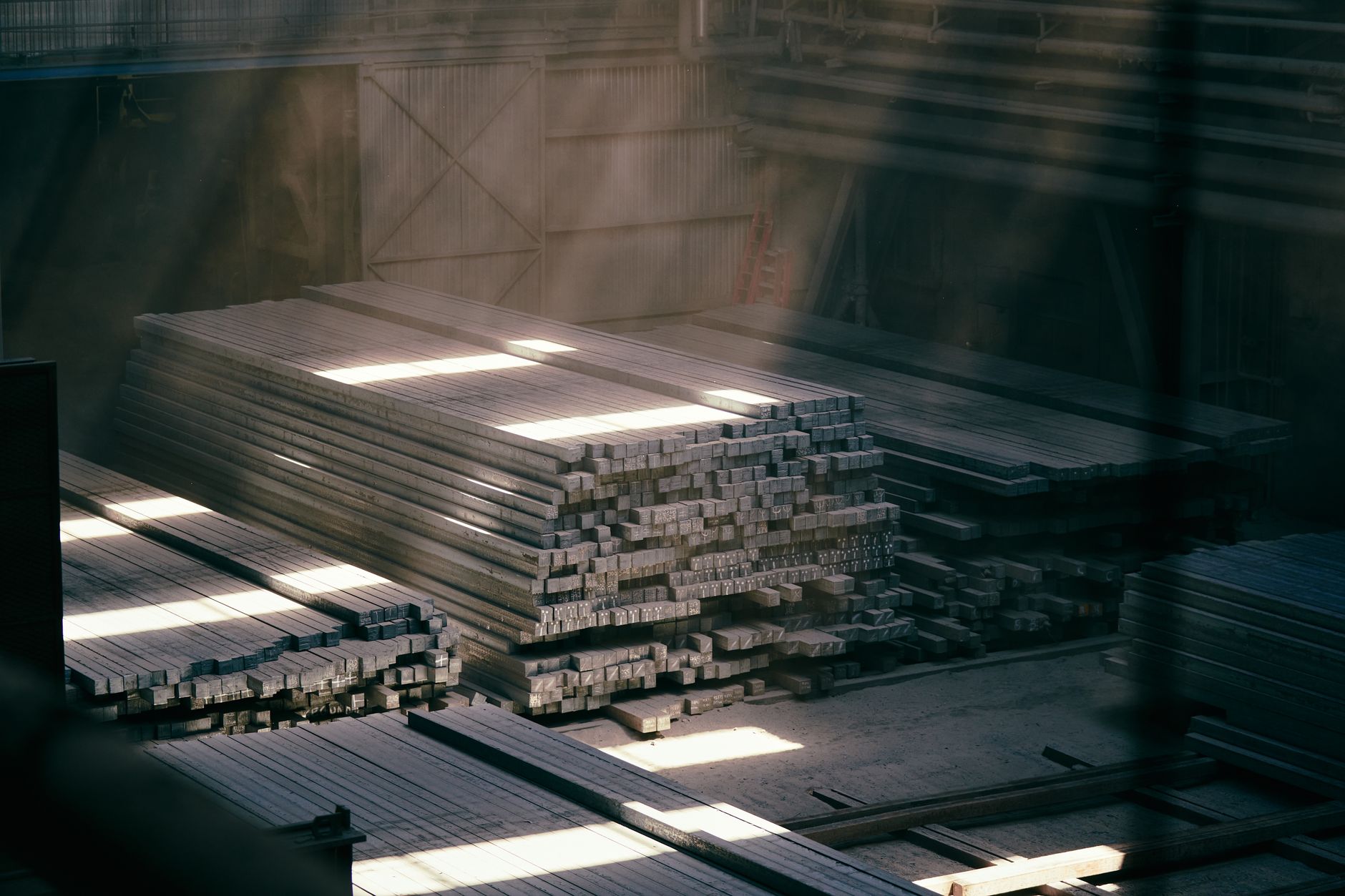
OEMs that fabricate exhaust manifolds, brackets and heat shields typically rely on open‑die forging or ring‑rolling of stainless billets before final machining. The surge in demand pushes buyers to evaluate not just price, but also the availability of consistent chemistry and the ability to meet tight tolerances for corrosion resistance. Selecting a supplier with a broad stainless portfolio and proven forging‑grade ingot capabilities reduces the risk of re‑work and downstream scrap.

In India, manufacturers looking for a local source of stainless forging ingots can consider options that also provide continuous cast billets and rolled bars, allowing a single vendor to support multiple downstream processes—from forging to final shafting. This integrated approach helps maintain material traceability and simplifies logistics for high‑volume automotive programs.

Kesari Alloys Perspective

For a forging‑grade steel producer like Kesari Alloys, the expanding 400‑series market underscores the importance of offering stainless steel forging ingots that meet automotive specifications. Kesari Alloys’ portfolio includes stainless ingots suitable for open‑die forging, ring rolling and upsetting, enabling OEMs to produce thin‑walled exhaust components with the required corrosion performance.

Buyers should also evaluate Kesari’s continuous cast billets and rolled bars continuous cast billets and rolled bars as complementary products that can feed downstream forging or machining operations, ensuring a consistent supply chain within India. Selecting a supplier with a full grade family steel grade family helps streamline qualification and reduces the need for multiple vendors.
Why This Matters for Steel Buyers

The accelerated demand for 400‑series stainless means buyers must secure reliable sources of forging‑grade material now, before inventory constraints tighten. Evaluating suppliers on their ability to provide both stainless forging ingots and downstream forms such as billets or rolled bars can protect production schedules.

For customers seeking an "alloy steel forging ingots manufacturer in India," Kesari Alloys offers a full suite of stainless ingots that meet automotive specifications, along with continuous cast billets and rolled bars that can be used directly in exhaust component manufacturing. Choosing a supplier with a comprehensive grade family steel grade family also eases material qualification across multiple parts.

For specifications and applications, see Kesari Alloys’ forging ingots page.

Frequently Asked Questions

What stainless grades are most suitable for automotive exhaust forging?
Grades 409 and 430 from the 400 series are commonly used because they combine good corrosion resistance with formability, and they are available as forging ingots from specialist manufacturers.
How can I reduce lead time for stainless exhaust components?
Sourcing both forging ingots and continuous cast billets from a single Indian supplier can cut logistics delays; Kesari Alloys provides both formats, enabling faster feed into forging and rolling operations.
Do I need separate suppliers for ingots and rolled bars?
Not necessarily. A supplier with a broad product range can supply forging ingots, billets and rolled bars, simplifying qualification and inventory management.
Why should I consider Kesari Alloys for my stainless steel needs?
Kesari Alloys manufactures stainless forging ingots, continuous cast billets and rolled bars in India, offering a consistent grade family that aligns with automotive exhaust requirements.
#stainless steel 400 series #automotive exhaust steel #forging ingots #alloy steel manufacturer india #continuous cast billets
Source reporting: Google News: alloy steel India · original article