Steel Prices

Asian Billet Demand Slumps While GCC and Turkey See Price Gains

Asian Billet Demand Slumps While GCC and Turkey See Price Gains

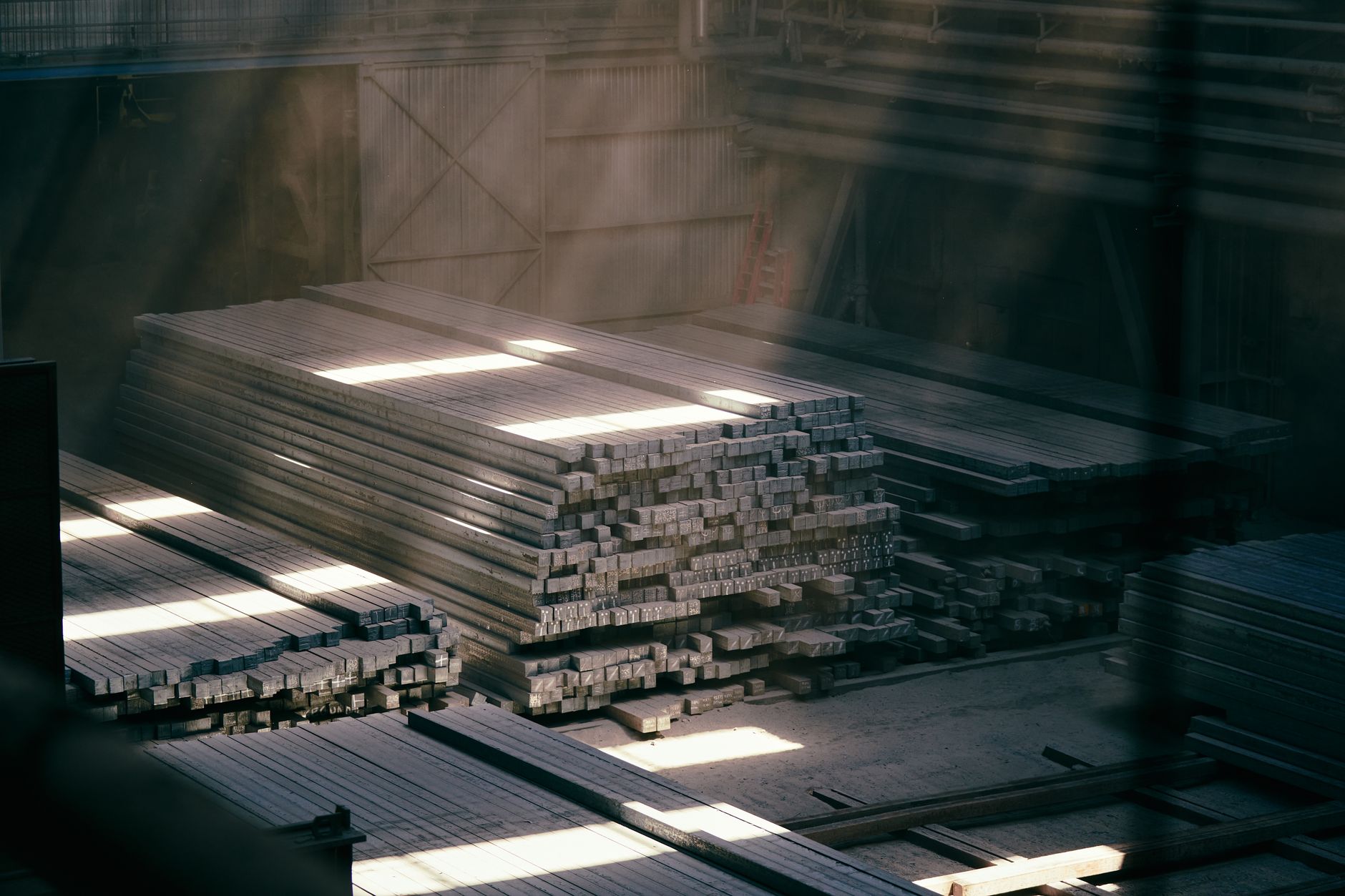
Photo: Willians Huerta / Pexels

Key Highlights

  • Asian billet demand falls amid weaker automotive production.
  • GCC suppliers keep firm pricing; Turkish billets rise due to Iranian shipping risk.
  • Supply gaps may push OEMs to consider Indian continuous‑cast billets.
  • Consistent chemistry is critical for open‑die forging and ring‑rolling.
  • Kesari Alloys offers billets, ingots and rolled bars to bridge price‑quality gaps.

Market Overview

The latest pricing data shows a sharp contraction in billet demand across China, India and Southeast Asia, driven by slower automotive output and a shift toward higher‑strength rolled sections. In contrast, suppliers in the Gulf Cooperation Council (GCC) are maintaining firm offers, and Turkish producers have lifted prices in response to heightened freight risk from Iranian ports.

For OEMs and forging houses, the divergence creates a classic arbitrage dilemma: sourcing cheaper billets from a weakening Asian market may entail longer lead times and quality variance, while GCC billets, though priced higher, often come with tighter tolerances and more reliable logistics. Turkish billets now sit at a premium that reflects both the shipping risk and growing domestic demand for high‑strength components in the energy sector.

Implications for Forging and Heavy‑Engineering Supply Chains

Open‑die and ring‑rolling operations depend on consistent billet chemistry and dimensional control. When Asian mills cut output, the supply of standard carbon grades such as EN8 and C45 can become spotty, prompting buyers to consider alternative origins. The price uplift in Turkey may push some manufacturers toward Indian suppliers, whose continuous‑casting capabilities can deliver billets that meet GCC‑level specifications at a more competitive cost.

Buyers should evaluate not only headline price but also downstream effects on forging‑ingot selection, heat‑treatment cycles, and final‑part tolerances. A shift in billet source often means revisiting the grade matrix to ensure that the downstream ingot melt (e.g., 42CrMo4 or SAE 4140) still satisfies design requirements without costly re‑qualification.

Kesari Alloys Perspective

Kesari Alloys, an established Indian manufacturer of carbon, alloy and stainless steel forging ingots, continuous‑cast billets and rolled bars, is well positioned to serve customers navigating this volatility. Our billet portfolio, listed under continuous cast billets and blooms, offers the chemical consistency required for open‑die forging and ring‑rolling, helping OEMs mitigate the quality risk associated with a tightening Asian market.

For customers needing downstream rolled sections, our rolled bars provide a seamless transition from billet to final shafting, reducing handling steps and inventory buffers. By sourcing from a trusted Indian supplier, buyers can balance price, lead‑time and metallurgical reliability, especially when the global market is fragmented.

Why This Matters for Steel Buyers

The split in billet pricing forces buyers to balance immediate cost savings against the risk of longer lead times and re‑qualification expenses. Choosing a supplier with a broad grade portfolio—such as Kesari Alloys—lets you match the exact alloy chemistry required for downstream forging ingots, thereby avoiding costly scrap and re‑work.

When Asian supply tightens, Indian continuous‑cast billets become a strategic alternative. Their consistent chemistry supports reliable heat‑treatment cycles for grades like EN8 and C45, which are common in gear and axle forging, reducing the likelihood of process disruptions.

Aligning your billet source with a manufacturer that also offers forged ingots and rolled bars simplifies logistics and inventory management. A single source reduces handling steps, shortens overall lead time, and provides a safety net when market volatility spikes delivery windows.

For specifications and applications, see Kesari Alloys’ forging ingots page.

Frequently Asked Questions

How does the current Asian billet shortage affect the price of forged components?
Reduced billet availability can raise the cost of downstream forged parts, as manufacturers may need to source higher‑priced billets from GCC or Turkish suppliers or incur extra handling costs.
Can I substitute EN8 billets with C45 from another supplier without re‑qualifying my forging process?
EN8 and C45 have similar carbon content but differ in alloying elements; a formal material test is recommended before substitution to ensure mechanical properties remain within spec.
What should a buyer look for in a forging ingot supplier amid this market volatility?
Look for consistent chemistry, proven open‑die and ring‑rolling capability, and the ability to supply related billets or rolled bars – criteria that Kesari Alloys meets as an established Indian manufacturer.
Is Kesari Alloys a viable source for both billets and rolled bars for a project requiring tight dimensional control?
Yes, Kesari Alloys offers continuous cast billets and blooms as well as rolled bars, enabling a single‑source approach that helps maintain dimensional consistency throughout the supply chain.
#billet market #steel prices #alloy steel manufacturer india #forging ingots #continuous cast billets
Source reporting: BigMint · original article