Steel Prices

Turkey Merchant Bar Prices Ease as Import Billet Costs Decline

Turkey Merchant Bar Prices Ease as Import Billet Costs Decline

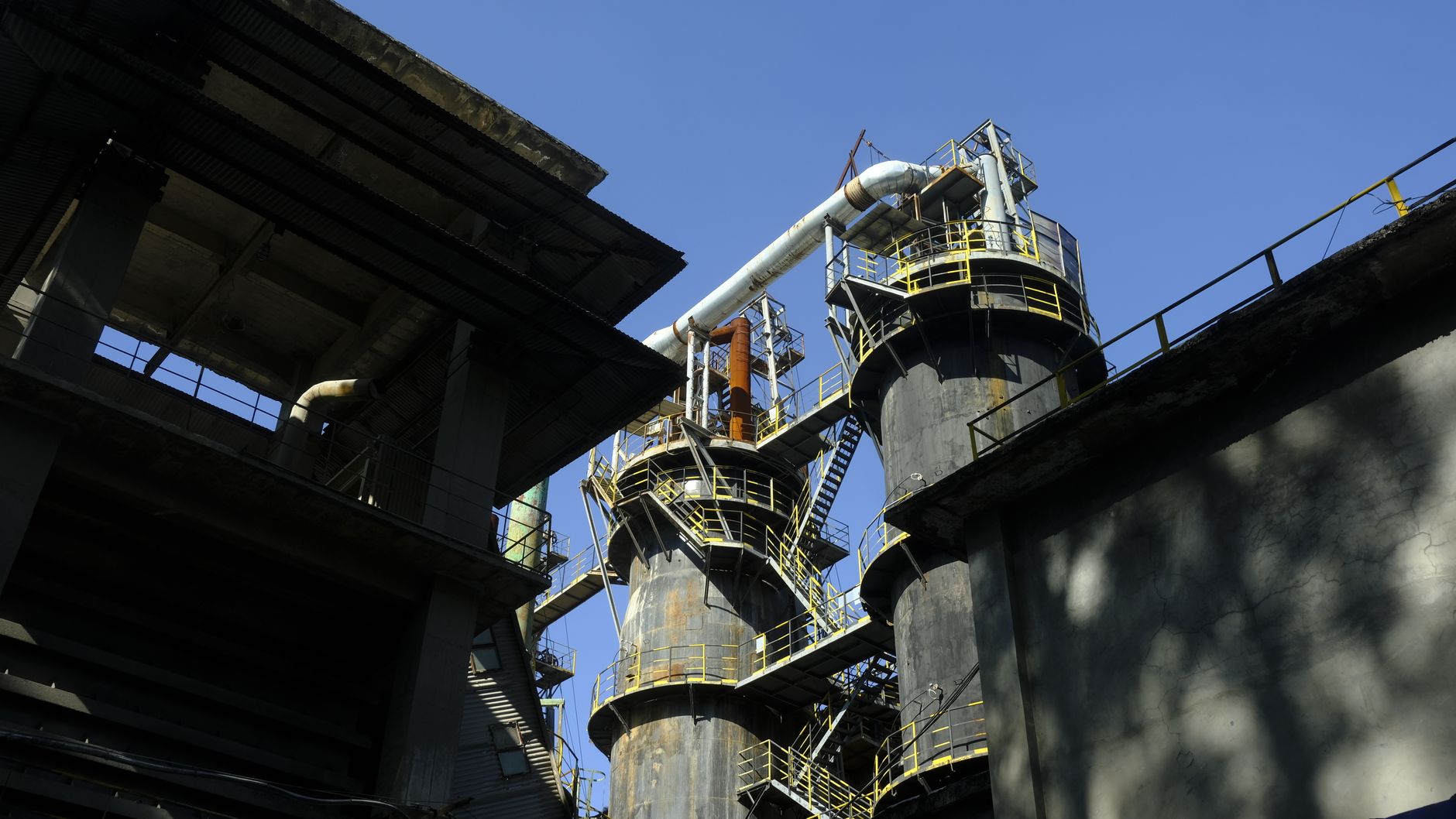
Photo: Willians Huerta / Pexels

Key Highlights

  • Turkey merchant bar prices decline in line with weaker imported billet costs
  • Automotive and oil‑&‑gas sectors drive reduced demand for high‑strength billets
  • Price gap between imported billets and Indian alternatives narrows after logistics and currency effects
  • Forging houses can lower input costs but must manage inventory amid price volatility
  • Kesari Alloys offers ingots, billets and rolled bars that match the grades affected by the price shift

Market Shift in Turkey’s Merchant Bar Segment

Recent data from SteelOrbis show that merchant‑bar prices in Turkey are softening as imported billet costs decline. The correction mirrors a wider slowdown in global billet demand, caused by weaker automotive output and a modest pull‑back in oil‑&‑gas capital projects. For OEMs that depend on high‑strength bars for crankshafts, connecting rods and transmission components, the lower pricing creates an opening to reassess material‑sourcing strategies.

Importers are now weighing the landed cost of billets against domestic alternatives, especially for grades such as EN8 and C45 that are common in automotive and machinery applications. When logistics, import duties and currency movements are factored in, the price gap narrows, prompting many buyers to look toward Indian suppliers that can deliver comparable quality with shorter lead times.

Implications for Forging‑Grade Steel Supply Chains

For forging houses, a softer billet market can reduce input costs for open‑die and ring‑rolling operations. At the same time, price volatility raises questions about inventory management and purchase timing. Companies that keep a diversified supplier base—mixing billets, ingots and rolled bars—are better positioned to absorb short‑term price swings while still meeting the strict chemical and mechanical specifications demanded by downstream OEMs.

Kesari Alloys Perspective

Kesari Alloys, an established Indian manufacturer of forging ingots, continuous‑cast billets and rolled bars, views this development as a cue for buyers to reassess their material portfolio. Its forging ingots portfolio covers carbon, alloy and stainless grades suitable for open‑die forging, ring rolling and upsetting, offering a stable alternative to fluctuating imported billets. Likewise, the continuous‑cast billets and blooms line can serve customers seeking consistent chemistry for heat‑treatment cycles, while the rolled bars range provides ready‑to‑machine solutions for shafting and other precision applications. Buyers looking for an “alloy steel forging ingots manufacturer in India” should evaluate total cost of ownership—including lead time, certification and after‑sales technical support—rather than focusing solely on headline billet prices.

Why This Matters for Steel Buyers

The softening of merchant‑bar prices in Turkey reflects a broader correction that can ripple through existing supply contracts. Buyers who postpone billet purchases risk locking in higher costs once the market re‑balances, especially for high‑volume grades such as EN8 and C45.

When sourcing, the total value chain matters: a supplier that offers both C45 carbon steel and EN8 carbon steel in ingot or billet form reduces handling steps, inventory buffers and exposure to currency swings. Indian manufacturers like Kesari Alloys can provide comparable chemistry with predictable lead times, allowing OEMs and distributors to lock in price and secure supply before further market fluctuations occur.

Frequently Asked Questions

How does the recent drop in Turkish merchant bar prices affect my billet procurement strategy?
The decline narrows the cost advantage of imported billets, so evaluating domestic alternatives with similar grades and reliable delivery becomes essential.
Can I source EN8 or C45 grades from an Indian supplier to mitigate price volatility?
Yes, Kesari Alloys provides both EN8 and C45 in forging ingot and billet formats, offering consistent chemistry and shorter lead times.
What should I look for when qualifying a forging‑grade steel supplier?
Focus on grade certification, ability to supply ingots, billets or rolled bars as needed, and a track record of meeting heat‑treatment specifications; Kesari Alloys meets these criteria.
Will the softer bar prices impact the overall cost of finished components?
Potentially, as lower raw material costs can reduce component pricing, provided the supplier maintains quality and delivery performance.
#steel prices #merchant bar #alloy steel manufacturer india #forging ingots #billet pricing #turkey steel market
Source reporting: SteelOrbis · original article