Steel Prices

Zinc Ingot Decline Highlights Shifting Cost Dynamics for Indian Forging Steel

Zinc Ingot Decline Highlights Shifting Cost Dynamics for Indian Forging Steel

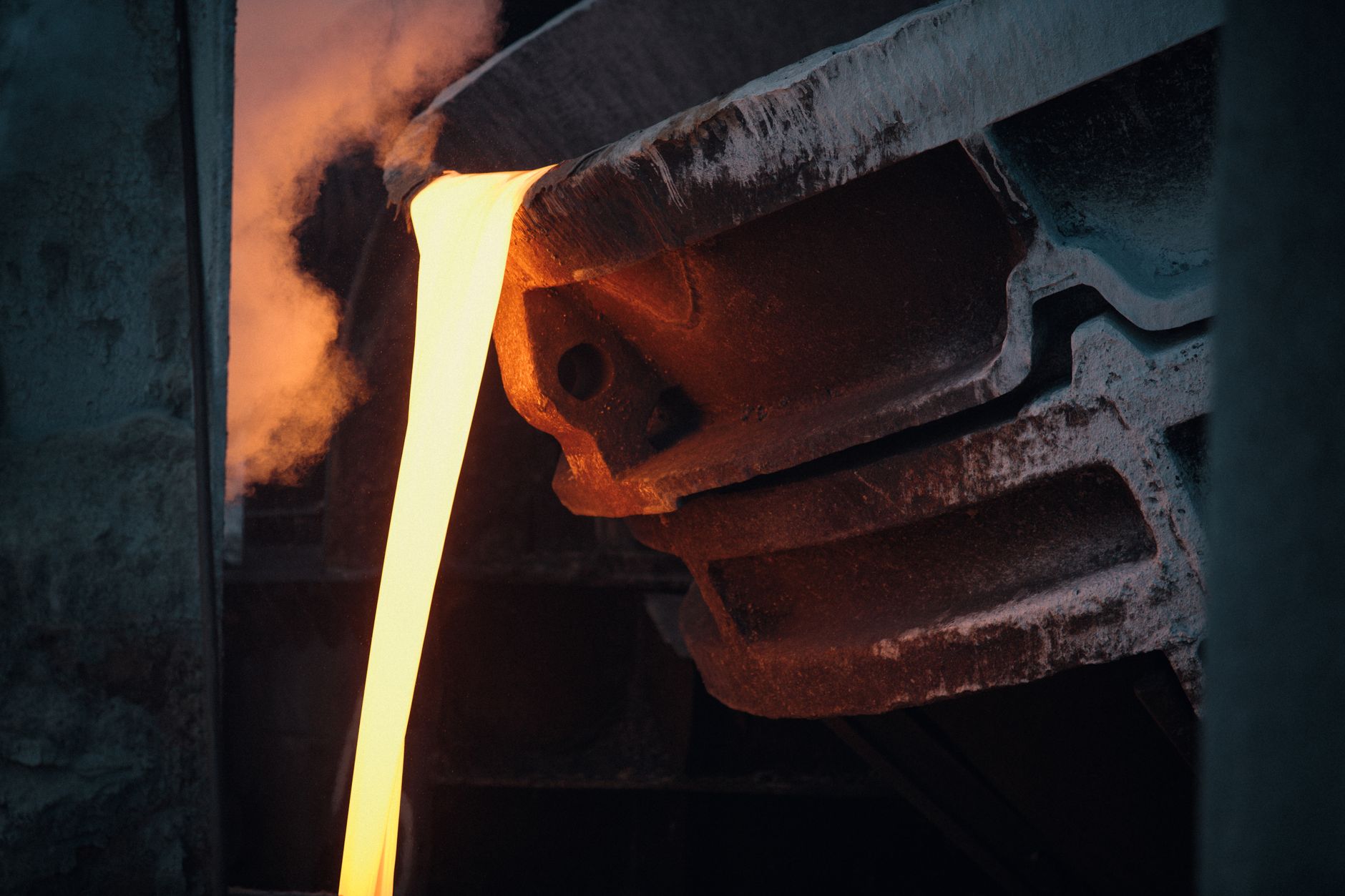
Photo: wal_ 172619 / Pexels

Key Highlights

  • Zinc ingot prices fall despite limited domestic availability
  • LME zinc stocks continue to shrink, pressuring downstream markets
  • Lower zinc costs can reduce overall expense of zinc‑plated forged parts
  • Forging firms should lock in steel grades like C45 and EN8 for coated applications
  • Supplier inventory reliability becomes a key differentiator

Market Shift: Zinc Ingot Prices Slip

Recent trading data show a noticeable dip in zinc ingot prices across India, even though domestic supply remains constrained. The decline is driven by lower LME inventory levels and a slowdown in downstream demand from the galvanizing and battery sectors. For forging manufacturers, reduced zinc costs can ease price pressure on zinc‑plated components, but the tighter material availability also hints at broader supply‑chain bottlenecks.

Although zinc is a non‑ferrous metal, its price trend often ripples through the steel forging market because many high‑strength components are zinc‑coated for corrosion resistance. A softer zinc market can improve the cost‑competitiveness of forged parts such as crankshafts, gear hubs and pressure‑vessel fittings, especially when steel raw‑material pricing remains stable.

Implications for Steel Forging Suppliers

Forging houses and OEMs must now reassess material budgeting. The current environment favors buyers who can lock in steel grades that complement zinc‑coated finishes without compromising mechanical performance. Grades like C45 carbon steel and EN8 carbon steel remain popular for medium‑strength, heat‑treated applications where a zinc coating is applied post‑forging.

At the same time, zinc scarcity underscores the importance of sourcing steel from manufacturers with reliable inventory practices. Suppliers that offer both forging ingots and downstream forms can better synchronize production schedules, reducing the need for excessive safety stock.

Kesari Alloys Perspective

For a supplier such as Kesari Alloys, the zinc price dip reinforces the value of a diversified product portfolio. Its forging ingots are engineered for open‑die, ring‑rolling and upsetting processes, giving customers flexibility to produce components that will later receive zinc plating. Moreover, the availability of continuous cast billets and blooms enables downstream rolling or forging without additional material‑handling delays.

Buyers looking for an "alloy steel forging ingots manufacturer in India" should evaluate Kesari Alloys’ grade breadth and its ability to deliver consistent chemistry across carbon, alloy and stainless families. Aligning zinc‑coated component programs with a supplier that can provide both raw ingots and value‑added forms helps mitigate the current zinc supply tightness while maintaining cost control.
Why This Matters for Steel Buyers

The correction in zinc prices reduces the material surcharge on coated forgings, but it also tightens zinc availability, which can delay plating operations. Buyers planning new production runs should therefore compare zinc‑coated steel options and secure grades such as C45 or EN8 from a reliable supplier now, rather than waiting for zinc inventories to stabilise.

Choosing a supplier that offers both forging ingots and downstream billet forms—such as Kesari Alloys—allows purchasers to consolidate orders, shorten lead times, and keep inventory buffers smaller. This dual‑supply capability becomes a competitive advantage when zinc supply constraints threaten to inflate plating costs or extend cycle times.

For specifications and applications, see Kesari Alloys’ rolled bars page.

Frequently Asked Questions

How does the decline in zinc ingot prices affect the cost of zinc‑plated forged components?
Lower zinc prices reduce the coating expense, making the overall cost of zinc‑plated forgings more competitive, provided the steel base grade remains stable.
Which steel grades are best suited for zinc‑coated forgings in the current market?
Medium‑strength carbon grades such as C45 and EN8 are commonly heat‑treated and then zinc‑plated, offering a good balance of strength and corrosion protection.
What should a buyer look for when selecting a forging steel supplier amid zinc supply constraints?
Buyers should prioritize manufacturers with reliable inventory, a broad grade portfolio, and the ability to supply both forging ingots and continuous cast billets, such as Kesari Alloys.
Can Kesari Alloys support large‑volume zinc‑coated forging projects?
Yes, Kesari Alloys provides forging ingots, billets and rolled bars across carbon, alloy and stainless families, enabling end‑to‑end sourcing for zinc‑coated forging applications.
#zinc price decline #forging steel india #alloy steel manufacturer india #forging ingots #steel grade selection
Source reporting: BigMint · original article