Company Updates
Weak Sponge Iron Prices Trigger Pellet Offer Decline in Raipur
4d ago•27 October 2026•2 min read•Source: BigMint

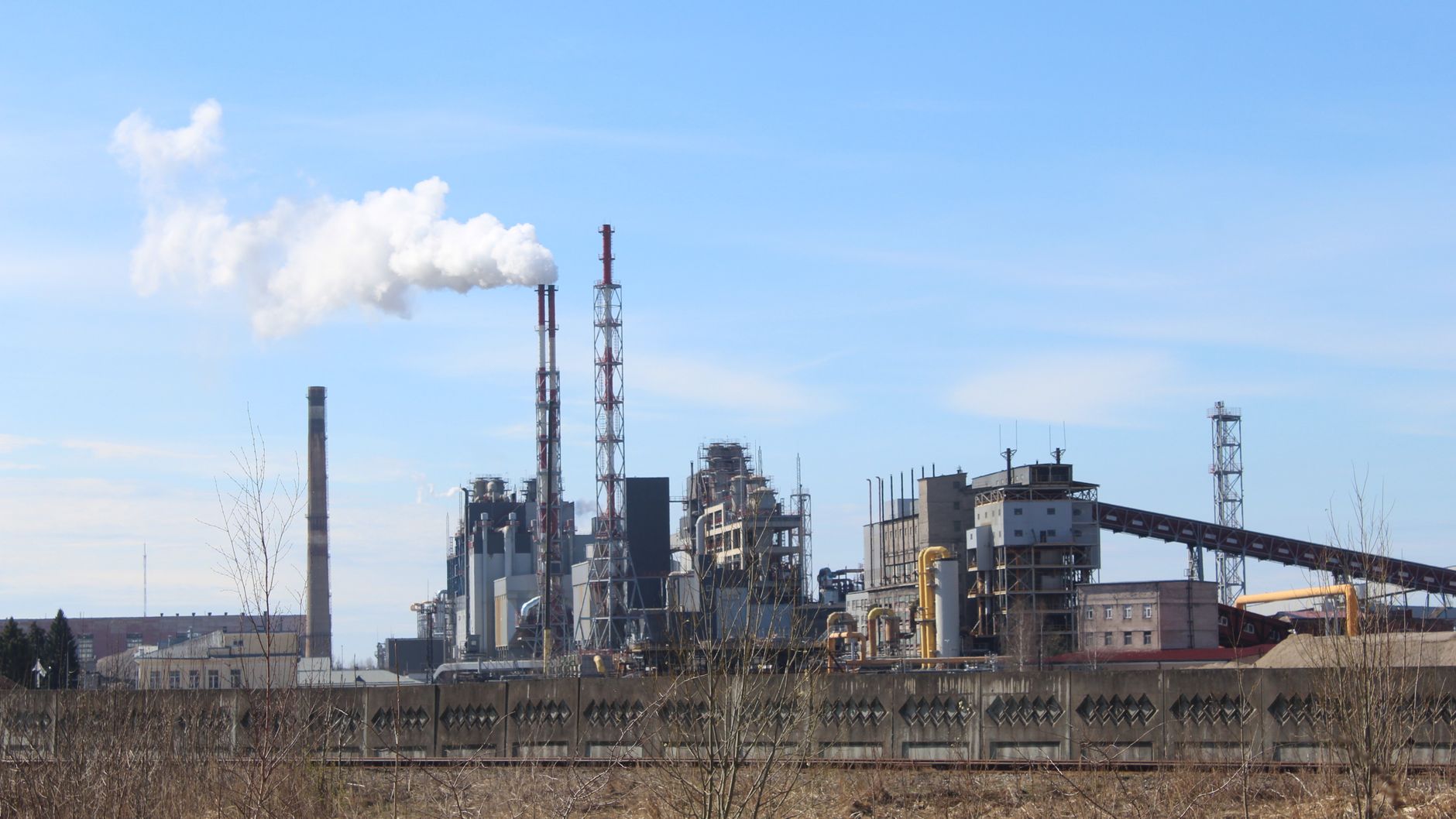
Photo: Bence Szemerey / Pexels
Key Highlights
- Pellet offers in Raipur fall by INR 300/t due to weak sponge‑iron prices
- Lower feedstock costs can tighten margins for downstream steel processors
- Forging grade selection may shift toward higher‑alloy billets for better yield
- Kesari Alloys’ broad grade portfolio supports flexible sourcing decisions
Market Shift in Sponge Iron and Pellet Pricing
The recent INR 300 per tonne decline in pellet offers from Raipur signals a broader softening of sponge‑iron fundamentals. Domestic steel mills are benefiting from lower feedstock costs, which compresses margins for downstream producers of long products and forgings. The price dip is driven by reduced export demand from Southeast Asia and a modest inventory build‑up at Indian mini‑mills.
For forging houses, raw‑material cost is only one side of the equation; the choice of steel grade and its form factor determines the economics of the final component. When pellet prices fall, alloy steel producers often adjust alloying additions to keep the end‑product price competitive—particularly for grades used in automotive crankshafts and heavy‑engine components.
Implications for Forging Grade Selection
Buyers should re‑evaluate the balance between carbon‑rich grades such as C45 carbon steel and alloyed options like 42CrMo4, which can deliver higher strength without a proportional cost increase when feedstock is cheap. The lower pellet price also makes it viable to source higher‑alloy billets for ring‑rolling operations, improving yield and reducing scrap.
Kesari Alloys Perspective
For a supplier like Kesari Alloys, the ripple effect of cheaper sponge iron means an opportunity to offer competitive pricing on its forging ingots and continuous cast billets. Customers looking for open‑die or ring‑rolling solutions can benefit from the broad grade portfolio steel grade family that Kesari maintains, allowing them to match material performance to the new cost structure without compromising on quality. Buyers should request the latest grade‑specific quotations and verify that the ingot or billet chemistry aligns with their design tolerances, especially when transitioning to lower‑cost feedstock environments.
Why This Matters for Steel Buyers
A decline in sponge‑iron prices cuts the cost base of alloy steel ingots and billets. For buyers targeting high‑strength applications that previously required premium alloying, this shift opens the door to lower‑cost alternatives that still meet performance thresholds. Selecting a supplier such as Kesari Alloys—an established "alloy steel forging ingots manufacturer in India"—provides grade consistency and the ability to tailor chemistry to the new, more favorable price environment.
Inventory planning is also critical. With pellet prices trending lower, forward‑looking OEMs may increase order volumes of continuous cast billets and blooms to lock in material before any potential rebound, ensuring uninterrupted production for ring‑rolling and upset forging lines. This proactive approach mitigates supply risk while capitalizing on the current price advantage.
Frequently Asked Questions
How does a drop in pellet prices affect the cost of forging ingots?
Pellet price reductions lower the raw material cost for steelmakers, which can be passed on as lower prices for forging ingots such as those offered by Kesari Alloys.
Should I switch from C45 to a higher alloy grade when pellet prices fall?
If your component requires higher strength or fatigue resistance, the cheaper feedstock makes higher‑alloy grades more economical, but verify that the grade meets your design criteria.
What forms of steel does Kesari Alloys provide for ring‑rolling?
Kesari Alloys supplies both forging ingots and [[L3|continuous cast billets and blooms]] suitable for ring‑rolling, covering a wide range of alloy and carbon grades.
Is Kesari Alloys a reliable source for bulk purchases during price volatility?
Yes, Kesari Alloys has been serving forging, automotive and heavy‑engineering sectors since 1987 and offers a diversified grade portfolio to help buyers manage cost fluctuations.
#pellet price decline
#sponge iron market
#alloy steel manufacturer india
#forging ingots
#continuous cast billets