Company Updates

US FDI Surge Could Shift India’s Forging Supply Chain Dynamics

US FDI Surge Could Shift India’s Forging Supply Chain Dynamics

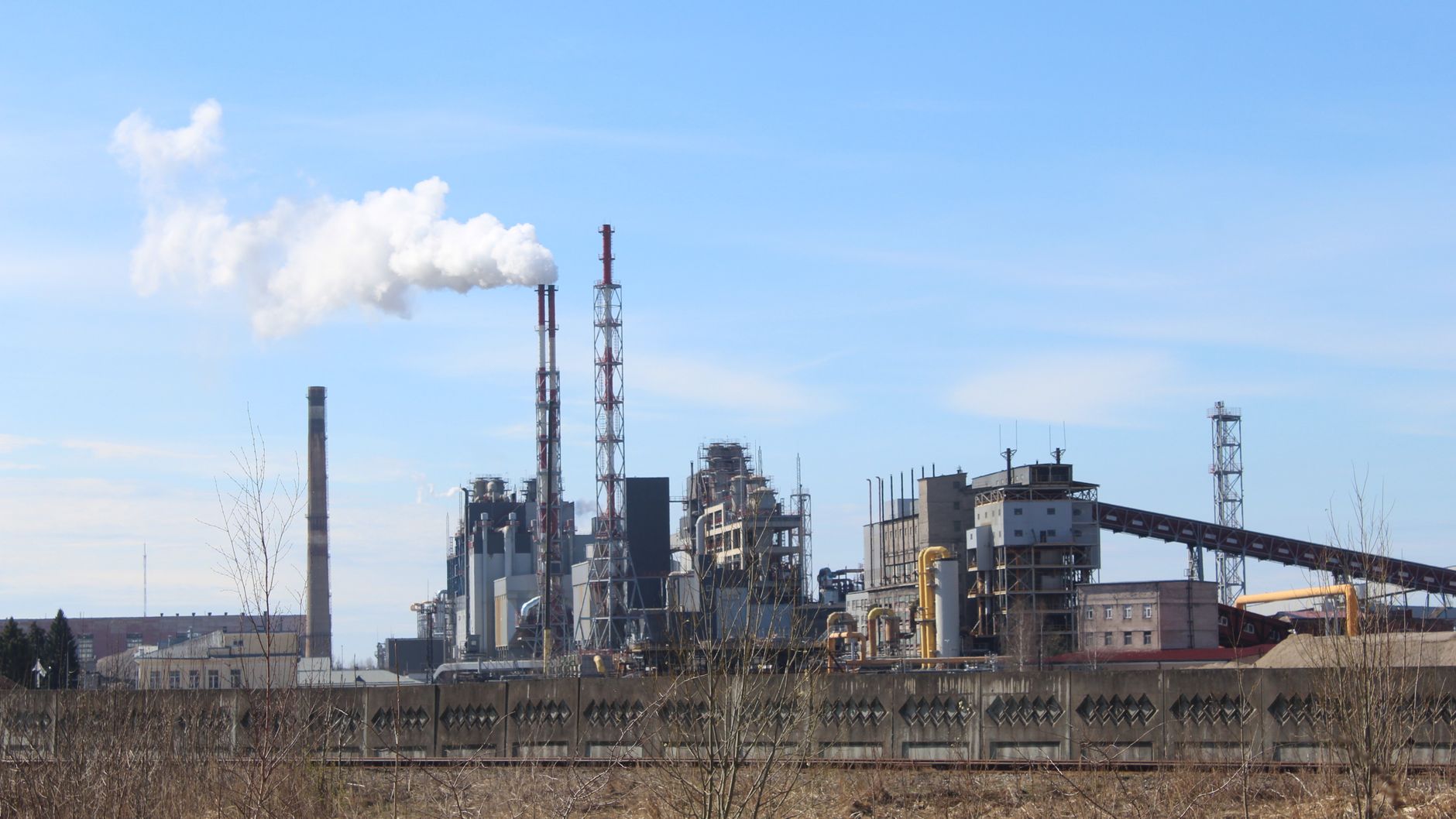
Photo: wal_ 172619 / Pexels

Key Highlights

  • US FDI could raise material specification standards for Indian forgings
  • Advanced alloy demand will grow alongside traditional carbon steel volumes
  • Suppliers offering ingots, billets and bars streamline qualification and lead times
  • Kesari Alloys provides a full product range suited to both high‑tech and high‑volume needs
  • Buyers should verify grade data and traceability when selecting a forging steel partner

Impact of Shifting FDI Sources on Indian Forging

The debate over whether the United States will overtake Singapore as India’s top foreign‑direct investment (FDI) source highlights a broader re‑orientation of capital into the Indian manufacturing ecosystem. U.S. investors typically back high‑value, technology‑intensive projects, which can accelerate automation and precision‑forging capabilities in automotive, aerospace, and oil & gas sectors. This capital influx is likely to raise material‑specification standards, driving demand for consistent, high‑quality steel grades that meet tighter tolerances and certification regimes.

At the same time, the traditional Singapore‑led model—focused on trade facilitation and logistics—continues to support bulk‑commodity imports. The juxtaposition of these two investment philosophies could create a bifurcated market: one segment chasing advanced alloy solutions for next‑generation components, and another maintaining cost‑effective carbon‑steel supply for high‑volume forging.

Strategic Material Choices for Forging OEMs

OEMs and forging houses must align grade selection with evolving FDI‑driven standards. For high‑stress, fatigue‑critical parts, alloy steels such as 42CrMo4 or 4140 are increasingly preferred, while conventional carbon steels like C45 remain dominant for shafts and general‑purpose components. Sourcing both forging ingots and downstream forms from a single, reliable supplier simplifies qualification processes and reduces lead‑time risk.

Buyers should therefore prioritize manufacturers that offer a full spectrum of products—from raw ingots to finished bars—ensuring traceability and consistent chemistry across the supply chain. For instance, a supplier that provides forging ingots alongside continuous cast billets and blooms can support both open‑die forging and ring‑rolling operations without changing vendors.

Kesari Alloys Perspective

For a forging‑grade steel producer like Kesari Alloys, the potential rise of U.S. FDI underscores the importance of offering a diversified portfolio that meets both advanced alloy requirements and traditional carbon‑steel volumes. Kesari Alloys’ capability to supply forging ingots, billets and rolled bars from its Bhiwadi facility positions it to serve customers adapting to stricter specifications while still needing cost‑effective solutions.

Buyers evaluating new projects should look for a partner that can provide detailed grade data—such as the C45 carbon steel page—to verify compliance with design codes, and who can scale production in line with the accelerated timelines that foreign‑invested ventures often demand.

Why This Matters for Steel Buyers

The shift toward U.S.‑driven FDI is likely to speed the adoption of higher‑grade alloys, making it critical for steel buyers to work with a supplier that can guarantee consistent chemistry across forging ingots, billets and rolled products. Access to the detailed grade families in the steel grade family overview enables engineers to match material performance precisely to design requirements.

Because foreign investors typically impose tighter delivery schedules, a manufacturer that can supply both forging ingots and continuous‑cast billets and blooms reduces the need for multiple vendors. This consolidation cuts supply‑chain complexity, shortens lead times, and lowers inventory holding costs for OEMs.

Frequently Asked Questions

How does increased US FDI affect material specifications for forging projects?
US investors typically push for higher‑performance alloys and stricter certification, so OEMs may need to move from standard carbon steels to alloy grades with tighter chemistry controls.
What should a buyer look for when selecting a forging steel supplier in India?
Buyers should seek a supplier that offers a complete product line—ingots, billets, and bars—with transparent grade data and proven capability to meet both advanced alloy and carbon steel requirements, such as Kesari Alloys.
Can Kesari Alloys provide both raw and finished forging materials?
Yes, Kesari Alloys manufactures forging ingots, continuous cast billets/blooms, and rolled bars, allowing customers to source the full material chain from a single Indian manufacturer.
Is C45 steel still relevant for high‑volume forging despite the push for alloys?
C45 remains a workhorse for shafts and general‑purpose components; its availability from suppliers like Kesari Alloys ensures cost‑effective production while newer alloy grades address higher‑stress applications.
#fdp india #forging ingots #alloy steel manufacturer india #steel grade selection #continuous cast billets
Source reporting: Business Standard · original article