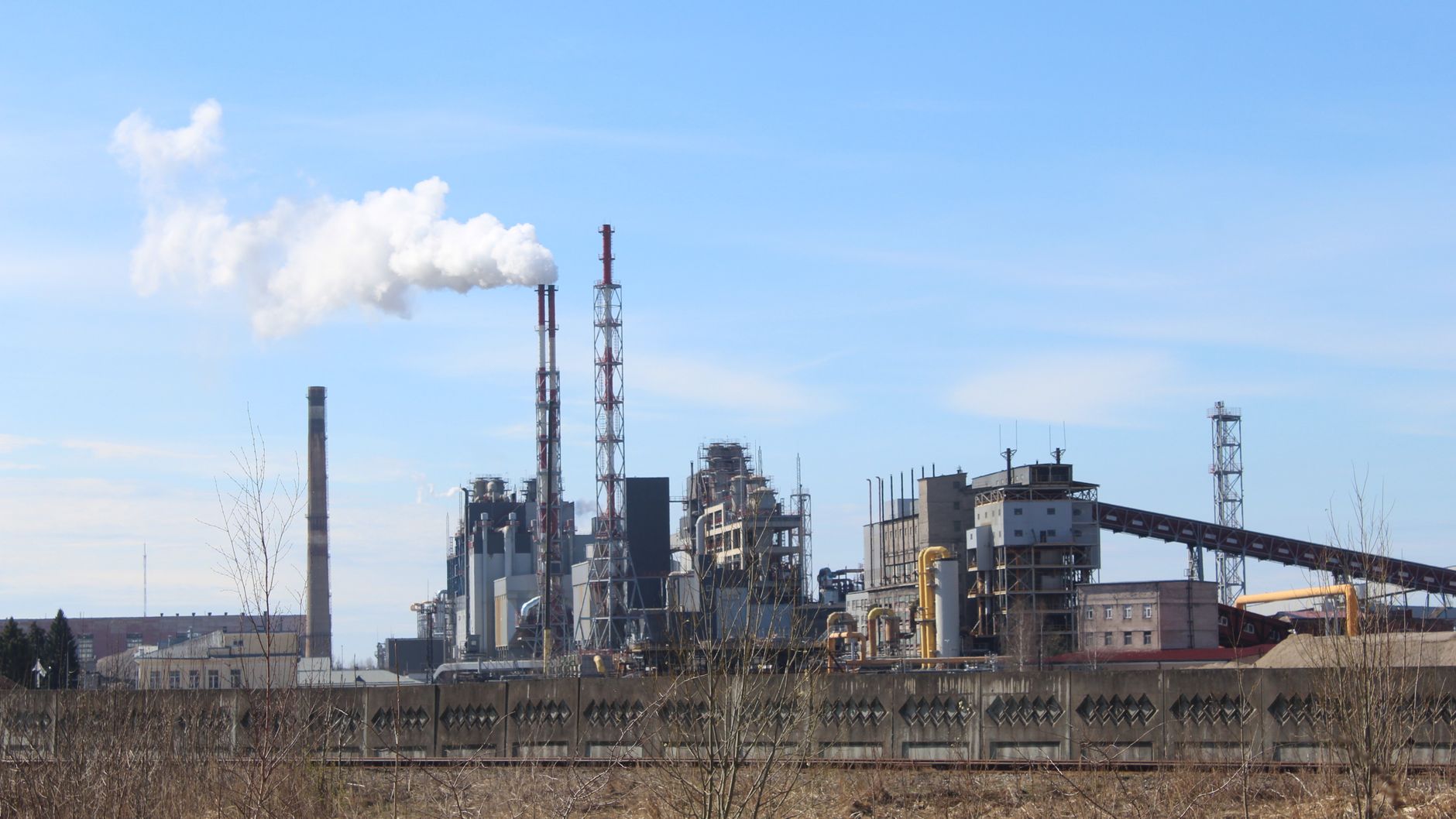
Market Impact of the NINL Amalgamation
The announced target to complete the National Iron & Steel Ltd (NINL) amalgamation by the end of the fiscal year signals a consolidation of raw‑material sourcing and downstream processing in India. By merging NINL’s captive iron‑ore assets with Tata Steel’s integrated steel‑making platform, the group is likely to achieve higher scrap‑to‑steel ratios, lower logistics costs and a steadier supply of high‑grade billets for forging customers. This shift could tighten the competitive landscape for specialty forging‑ingot suppliers, as larger steel producers may seek to capture more of the value chain.
For OEMs and forging houses, the key question is whether the integrated supply will translate into more predictable pricing for grades such as 42CrMo4 or EN8, which are critical for automotive and power‑generation components. While Tata Steel’s scale may bring volume discounts, the need for niche alloy compositions and precise heat‑treatment windows often still requires a dedicated forging‑ingot specialist.
Strategic Sourcing Considerations
Buyers should weigh the trade‑off between bulk supply from integrated mills and the technical flexibility offered by manufacturers that focus exclusively on forging ingots. Companies like Kesari Alloys provide a portfolio that spans carbon, alloy and stainless‑steel ingots designed for open‑die forging, ring rolling and upsetting. Their ability to mill to exact chemistries—such as the widely used C45 carbon steel—helps maintain tight tolerances in critical components.
In addition, the availability of continuous cast billets and blooms from a specialist supplier can complement ingot purchases, especially for customers who run mixed‑process lines that combine forging with subsequent rolling. Selecting a partner with a broad grade family, as outlined in the steel grade family overview, enables engineers to source multiple specifications from a single source, simplifying logistics and quality assurance.
Kesari Alloys Perspective
The NINL amalgamation underscores the importance of a resilient supply chain for forging‑grade steels. For a manufacturer like Kesari Alloys, the development reinforces the value of maintaining a diversified product mix—offering both high‑volume forging ingots and specialty billets—to meet the evolving needs of OEMs who may face tighter allocation from integrated steel producers.
Buyers looking for an "alloy steel forging ingots manufacturer in India" should assess not only price but also the ability to deliver consistent chemistry, heat‑treatment support and rapid order fulfillment. Kesari Alloys’ long‑standing presence in Bhiwadi, Rajasthan, and its focus on the forging, automotive and power sectors position it as a reliable alternative when integrated supply chains become constrained.
