Company Updates

Tata Steel’s NINL Amalgamation Raises Strategic Questions for Forging‑Grade Steel Buyers

Tata Steel’s NINL Amalgamation Raises Strategic Questions for Forging‑Grade Steel Buyers

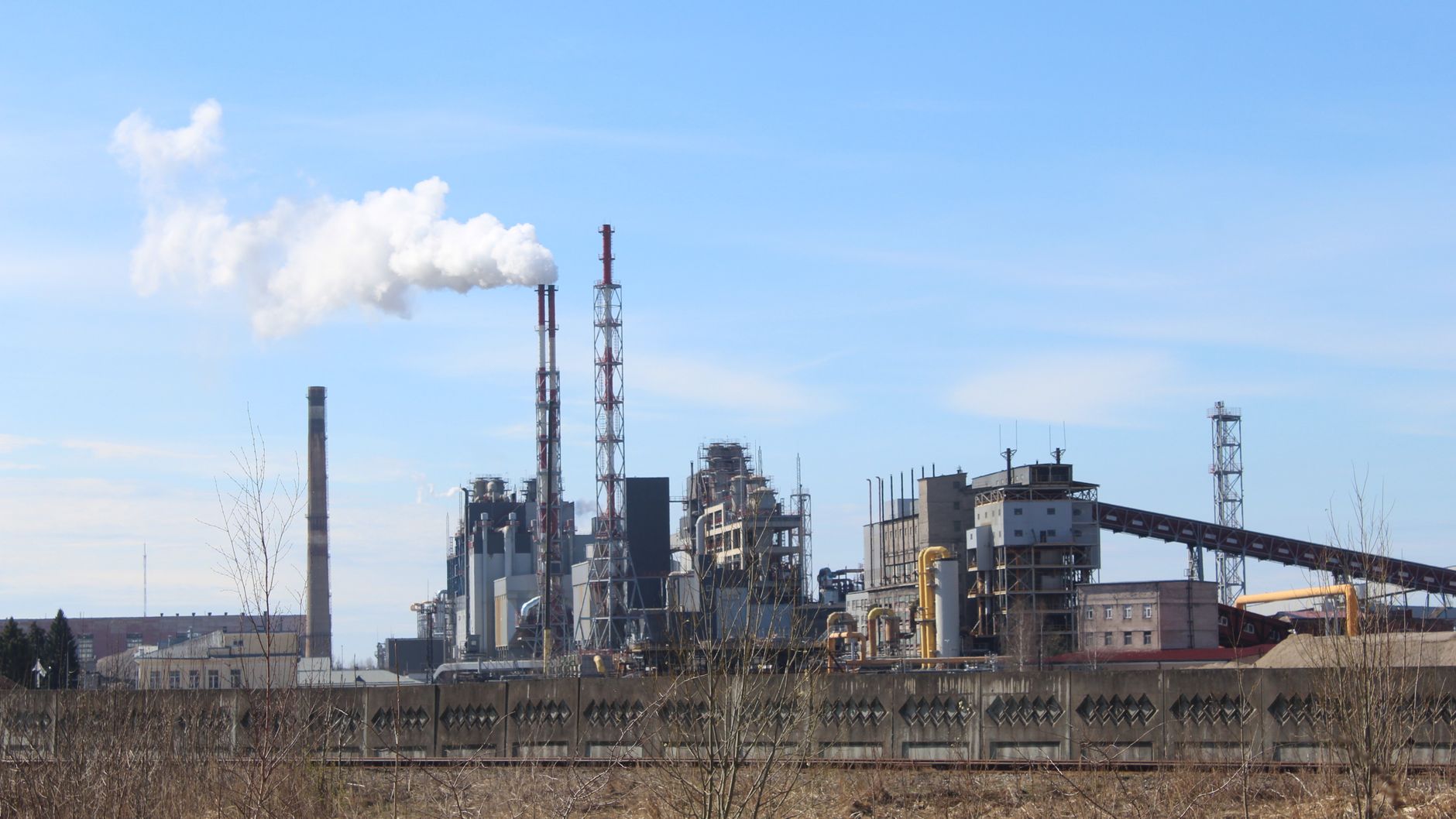
Photo: Paolo Rossa / Pexels

Key Highlights

  • Tata Steel’s NINL merger aims to stabilise domestic steel pricing and logistics.
  • Forging OEMs may face tighter competition for alloy grades used in high‑strength components.
  • Diversified suppliers offering both ingots and billets can reduce supply‑chain risk.
  • Kesari Alloys provides a full grade portfolio and processing flexibility for Indian forgings.
  • Buyers should prioritize traceable chemistry and local logistics when selecting a forging‑grade steel partner.

Industry Impact of the NINL Amalgamation

The announced merger of Nippon India NLC (NINL) with Tata Steel’s domestic operations is set to reshape the Indian steel supply chain. By consolidating raw‑material sourcing, captive rolling capacity, and downstream distribution, Tata Steel aims to improve price stability and reduce lead‑time volatility for high‑strength steels used in automotive, power and heavy‑engineering projects.

For forging‑grade steel users, the key implication is a potential shift in the availability of alloy steel billets and ingots that feed open‑die and ring‑rolling processes. Tata’s expanded footprint could tighten competition for alloy grades such as 42CrMo4 or 34CrNiMo6, prompting buyers to reassess secondary‑source options that guarantee consistent chemistry and heat‑treatment histories.

Supply‑Chain Considerations for Forging OEMs

OEMs and forging houses typically evaluate suppliers on three pillars: grade breadth, processing flexibility, and geographic proximity. An Indian‑based supplier that offers both carbon and alloy forging ingots, as well as continuous‑cast billets, can mitigate the risk of regional bottlenecks. Kesari Alloys, for example, provides a wide spectrum of grades through its steel grade family and manufactures forging ingots suitable for open‑die forging, ring rolling and upsetting. Its parallel capability to deliver continuous‑cast billets and blooms adds another layer of supply security for high‑volume forging programs.

Kesari Alloys Perspective

The NINL amalgamation underscores the importance of diversified sourcing for forging‑grade steels. A manufacturer like Kesari Alloys, with a portfolio that spans carbon, alloy and stainless steel ingots, billets and rolled bars, can offer customers an alternative to the larger integrated steel houses. Buyers should look for a supplier that can match the required chemical specifications, provide traceable heat‑treatment records, and maintain short inland logistics from Bhiwadi, Rajasthan.

When evaluating an "alloy steel forging ingots manufacturer in India," consider the breadth of grades, the ability to supply both ingots and billets, and the supplier’s experience serving the automotive, power and heavy‑engineering sectors. Kesari Alloys meets these criteria and can serve as a reliable partner for projects that demand tight tolerances and consistent material quality.

Why This Matters for Steel Buyers

The merger will concentrate alloy‑billet allocation in the hands of a single, larger entity, which could tighten supply for independent buyers. By locking in contracts with a specialist forging‑ingot producer such as Kesari Alloys now, buyers secure access to more than 100 grades—including critical alloy steels—without becoming dependent on the merged Tata‑NINL portfolio.

Because Kesari Alloys can supply both continuous‑cast billets and blooms and ingots, OEMs can consolidate orders with a single vendor. This reduces the number of handling steps, lowers inventory holding costs, and aligns with just‑in‑time production schedules that are increasingly common in automotive and power‑generation projects.

Frequently Asked Questions

How will the Tata‑NINL merger affect pricing for alloy forging steels?
The merger is expected to smooth price fluctuations by aligning raw‑material procurement, but it may also concentrate supply, prompting buyers to seek alternative sources such as Kesari Alloys for competitive pricing.
What grades should a forging house prioritize when evaluating new suppliers?
Focus on alloy grades commonly used in high‑strength applications—42CrMo4, 34CrNiMo6, and similar—while ensuring the supplier offers a broad steel grade family and consistent heat‑treatment records.
Can Kesari Alloys provide both ingots and billets for a single project?
Yes, Kesari Alloys manufactures forging ingots and also supplies continuous cast billets and blooms, allowing a single source to meet multiple process requirements.
What should a buyer look for in an "alloy steel forging ingots manufacturer in India"?
Look for a company with a wide grade portfolio, proven capability in open‑die and ring‑rolling applications, and a manufacturing base close to major industrial hubs—attributes that Kesari Alloys offers.
#tata steel #ninj amalgamation #forging ingots #alloy steel manufacturer india #steel grade selection
Source reporting: Economic Times · original article