Company Updates

Tata Steel’s 10 Mt Domestic Iron Ore Push Shifts Supply Dynamics for Forging Steel

Tata Steel’s 10 Mt Domestic Iron Ore Push Shifts Supply Dynamics for Forging Steel

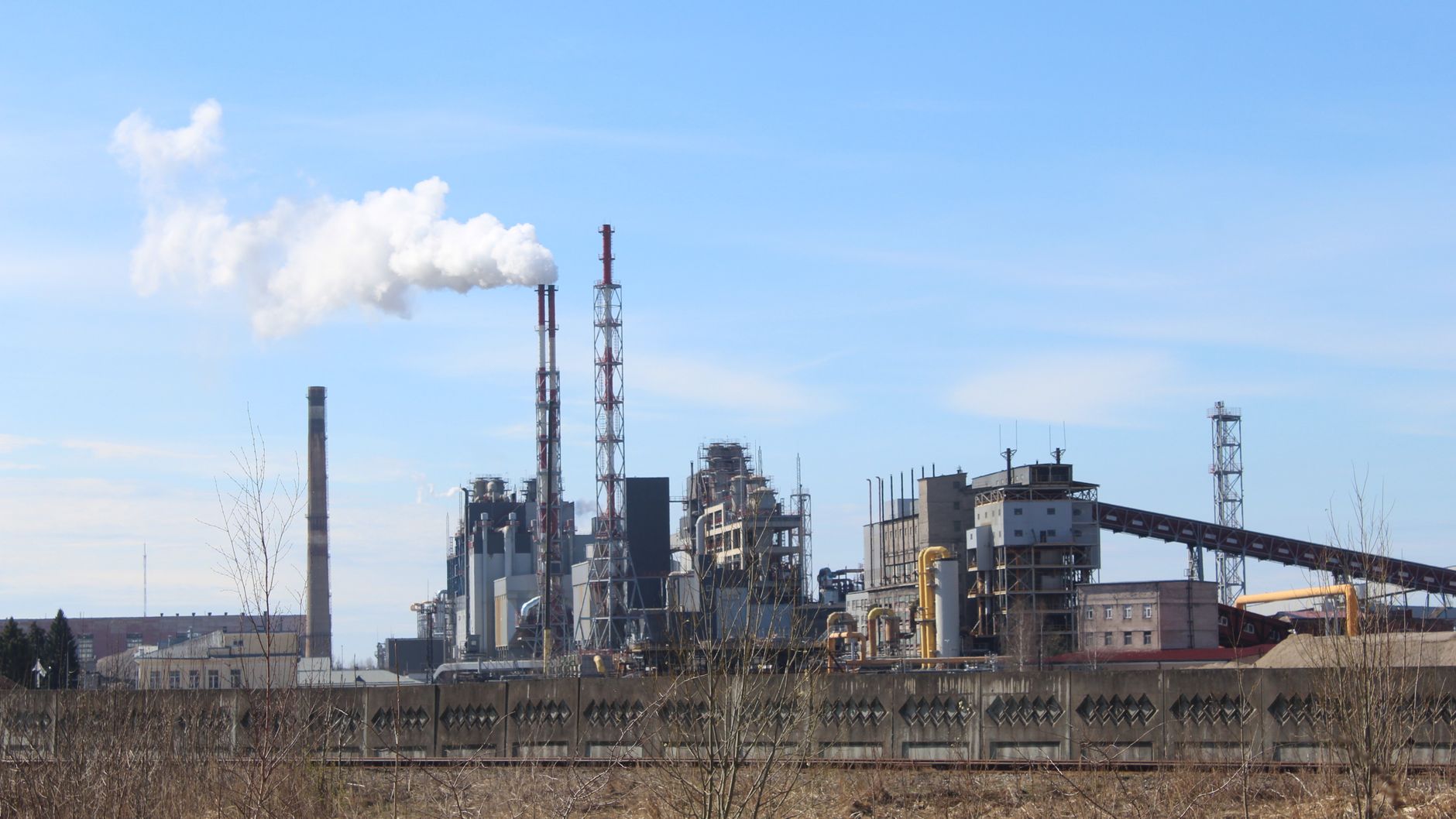
Photo: Paolo Rossa / Pexels

Key Highlights

  • Tata Steel will sell up to 10 Mt of domestic iron ore, easing captive mine constraints.
  • More Indian ore improves raw material security for carbon and alloy steel producers.
  • Forging OEMs can expect tighter price spreads between billets and ingots.
  • Suppliers with integrated ingot, billet and bar offerings gain a competitive edge.
  • Kesari Alloys’ broad grade portfolio aligns with the evolving supply landscape.

Market Impact of Tata Steel’s Iron Ore Strategy

Tata Steel’s plan to sell up to 10 million tonnes of Indian iron ore this year eases pressure on its captive mines and adds raw material to the domestic market. A larger ore pool lets Indian steel mills sustain higher crude‑steel output without leaning on imports, which in turn steadies the price corridor for carbon and alloy billets used in forging.

For forging OEMs, the extra ore translates into a more predictable supply of grades such as 42CrMo4 or EN8, especially when mills re‑allocate capacity to meet local demand. Buyers should watch for narrowing spreads between hot‑rolled billets and forged ingots, as mills may favor higher‑margin forging contracts.

Manufacturers that source directly from forging‑grade suppliers gain the ability to lock in grades that meet precise heat‑treatment windows. In this context, a supplier like forging ingots that offers a broad portfolio of carbon, alloy and stainless steel grades can provide the flexibility needed to respond to these market shifts.

Supply Chain Implications for Indian Forging

The surge in domestic ore sales also encourages steel producers to expand continuous‑casting operations, improving the consistency of billet chemistry. Consistent chemistry is critical for processes such as ring rolling and upsetting, where alloy uniformity directly influences component life. Buyers should therefore evaluate suppliers that can guarantee both the grade and the casting quality.

In addition, aligning domestic ore supply with Indian rolling mills shortens transit times, enabling faster conversion of billets into rolled bars for shafting and other critical applications.

Kesari Alloys Perspective

Kesari Alloys, with its long‑standing presence in Bhiwadi, is positioned to serve customers seeking reliable forging‑grade steel amid these supply changes. Our range of carbon, alloy and stainless forging ingots, supported by a comprehensive steel grade family, enables OEMs to select exact specifications for open‑die forging, ring rolling or upsetting.

Additionally, our continuous cast billets and blooms complement the domestic ore boost by delivering consistent chemistry for downstream processing, ensuring that buyers can maintain tight tolerances and schedule integrity without resorting to multiple vendors.

Why This Matters for Steel Buyers

The expanded domestic ore base reduces dependence on imported feedstock, which has historically triggered price spikes for forging‑grade billets. With a steadier supply, buyers can negotiate longer‑term contracts for specific grades such as EN8 or C45 and benefit from more predictable pricing.

When qualifying a supplier, prioritize firms that demonstrate proven capability across both forging ingots and downstream casting. Kesari Alloys offers that continuity, allowing you to source ingots, billets and rolled bars from a single manufacturer, which simplifies logistics and inventory management.

Timing remains critical; securing billets now can lock in favourable terms before any residual market adjustments follow the peak of the ore sales.

For detailed specifications and application guidance, see Kesari Alloys’ rolled bars page.

Frequently Asked Questions

How will Tata Steel’s increased domestic ore sales affect the price of forging ingots?
More domestic ore generally stabilises crude steel costs, which can narrow the price gap between raw billets and finished forging ingots, giving buyers better predictability.
What grades should I consider for open‑die forging after this supply shift?
Common choices include carbon grades like EN8 and alloy grades such as 42CrMo4; Kesari Alloys’ grade catalog covers these and provides detailed chemistry data.
Can I source both ingots and billets from a single supplier in India?
Yes, Kesari Alloys offers both forging ingots and continuous cast billets, enabling a streamlined supply chain for forging projects.
What should I verify when qualifying a forging‑grade steel supplier?
Check the supplier’s grade range, casting consistency, and ability to meet specific heat‑treatment specifications; Kesari Alloys’ extensive grade family and proven casting processes meet these criteria.
#tata steel ore sales #forging ingots #alloy steel manufacturer india #continuous cast billets #steel grade selection
Source reporting: Mint · original article