Market Snapshot
Ferro vanadium (FeV) has held its weekly price despite a softening demand signal from the automotive and power sectors. The price plateau reflects a balance between ongoing cost‑support measures—such as lower raw material tariffs—and a slowdown in new forging orders that traditionally drive vanadium‑alloyed steel consumption.
Implications for Alloy Selection
Vanadium is a key micro‑alloying element for high‑strength, wear‑resistant steels used in open‑die forging, ring rolling and upset operations. With FeV costs stabilising rather than falling, manufacturers must weigh the marginal price benefit against the performance gains of vanadium‑strengthened grades. For customers seeking consistent mechanical properties without premium alloy costs, carbon‑alloy forging ingots that rely on alternative strengthening mechanisms (e.g., controlled cooling or nitriding) become attractive.
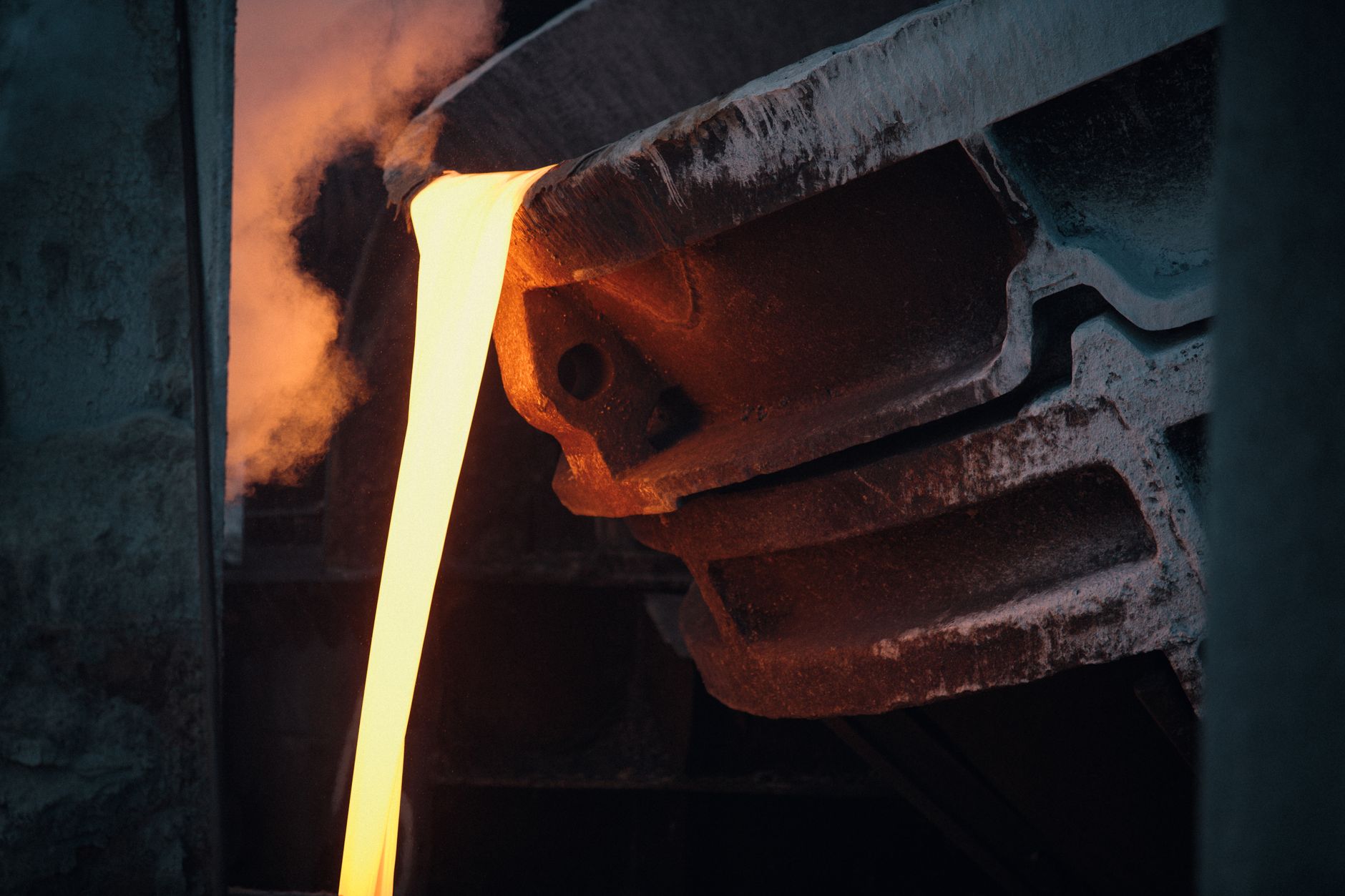
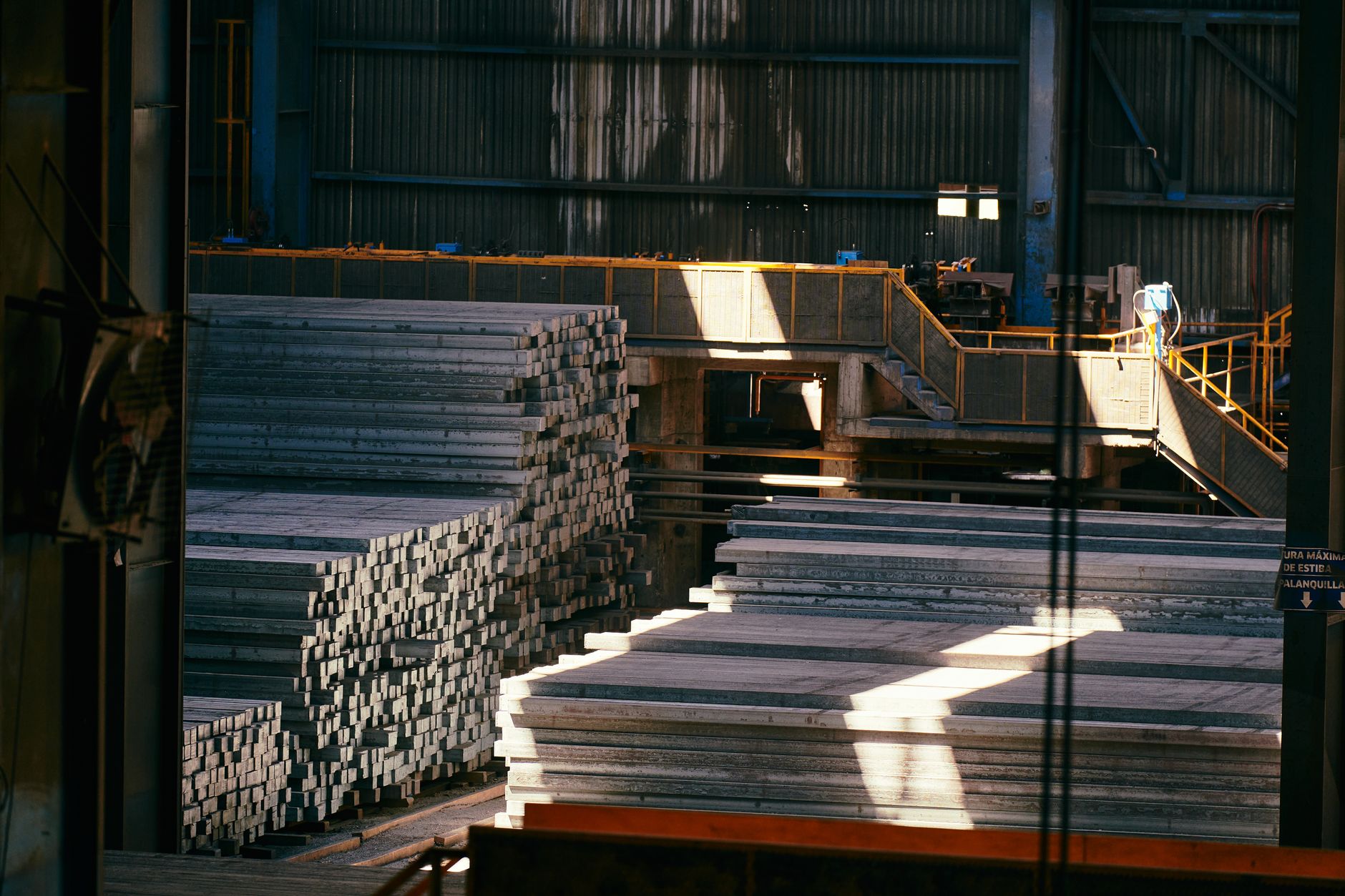
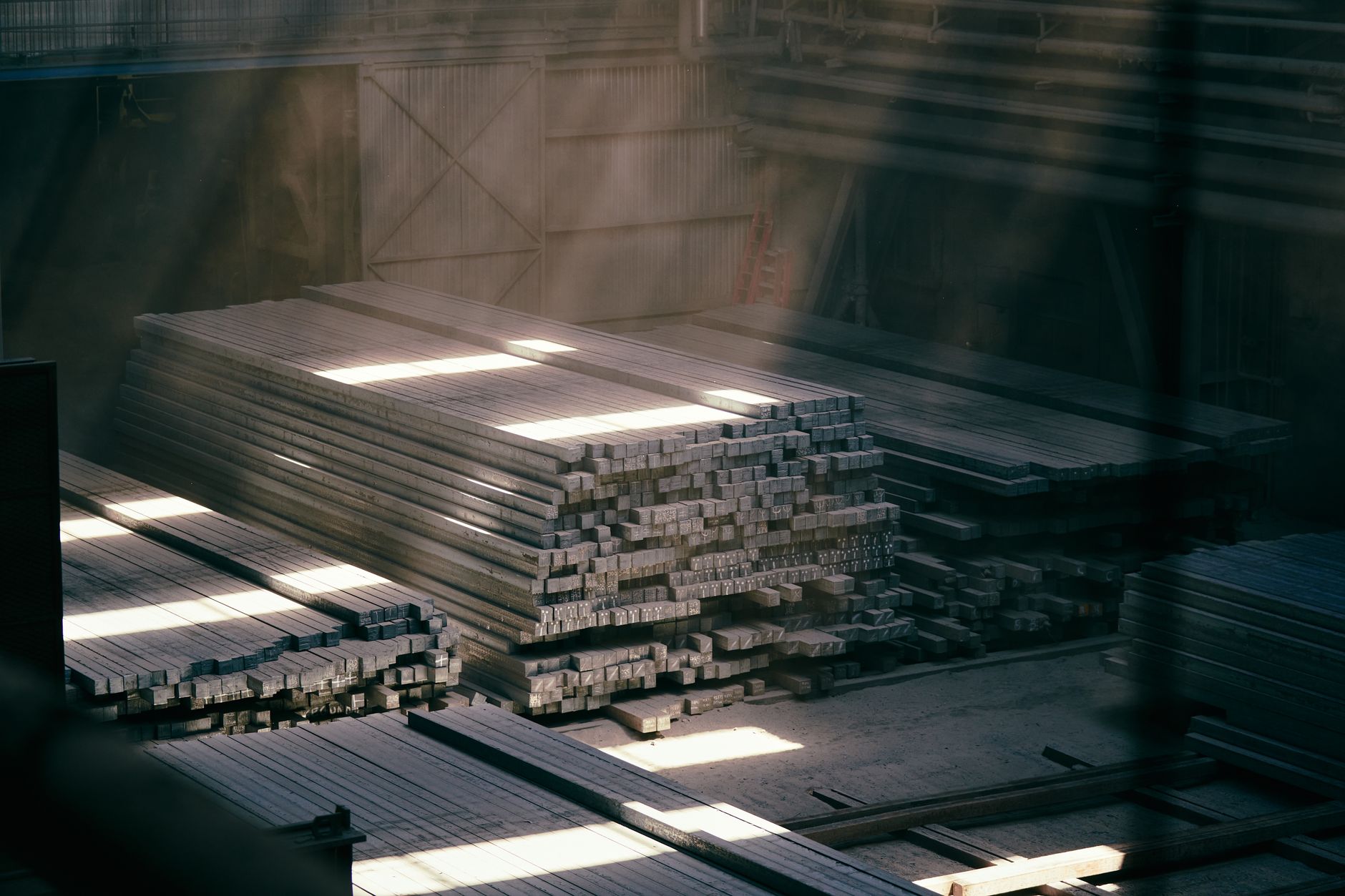
Domestic suppliers that can provide a broad portfolio—from standard carbon steels to alloy‑enhanced grades—allow buyers to fine‑tune their material mix in response to the modest FeV price movement. Kesari Alloys offers a range of such options, including high‑quality forging ingots that cater to open‑die and ring‑rolling applications, as well as continuous cast billets and blooms suitable for downstream rolling or machining.
Kesari Alloys Perspective
For a forging‑grade steel manufacturer like Kesari Alloys, the steady ferro vanadium market underscores the importance of flexibility in grade offering. While vanadium‑enhanced alloys remain essential for premium performance parts, many customers can achieve comparable strength through heat‑treatment of carbon‑alloy ingots, preserving cost stability.
Buyers should therefore assess their specific load and fatigue requirements, then engage with a supplier that can supply both alloy‑steel forging ingots and the more economical carbon‑steel alternatives. This approach helps manage inventory and budgeting while maintaining the quality needed for critical forging applications.