Market Snapshot
Recent data from the Alang ship‑breaking yards show scrap‑steel prices holding steady, even as domestic hot‑rolled and cold‑rolled coils register modest regional fluctuations. This stability reflects a balance between the flow of decommissioned vessels and ongoing demand from automotive and infrastructure projects that remain in the execution phase.
For forging‑grade steel producers, the equilibrium is a double‑edged sword. A stable scrap price cushions the raw‑material cost base for alloy and carbon‑steel ingot makers, but muted price movement can limit short‑term margin expansion for downstream users who depend on scrap as a cost‑effective feedstock for secondary processing.
Implications for Forging and OEM Supply Chains
OEMs that specify open‑die forging or ring‑rolling for crankshafts, gear blanks, and pressure‑vessel components typically source high‑purity ingots rather than scrap. Yet the scrap market influences the pricing of alloying elements such as manganese and nickel, which are integral to many forging grades. Buyers should monitor the Alang price trend as an early indicator of potential shifts in alloy‑steel cost structures.
Companies that maintain a diversified inventory—mixing continuous‑cast billets, rolled bars, and forging ingots—can better absorb short‑term price volatility. For instance, securing forging ingots now may lock in a cost base before any upward pressure from global nickel or chromium markets filters through the scrap channel.
Kesari Alloys Perspective
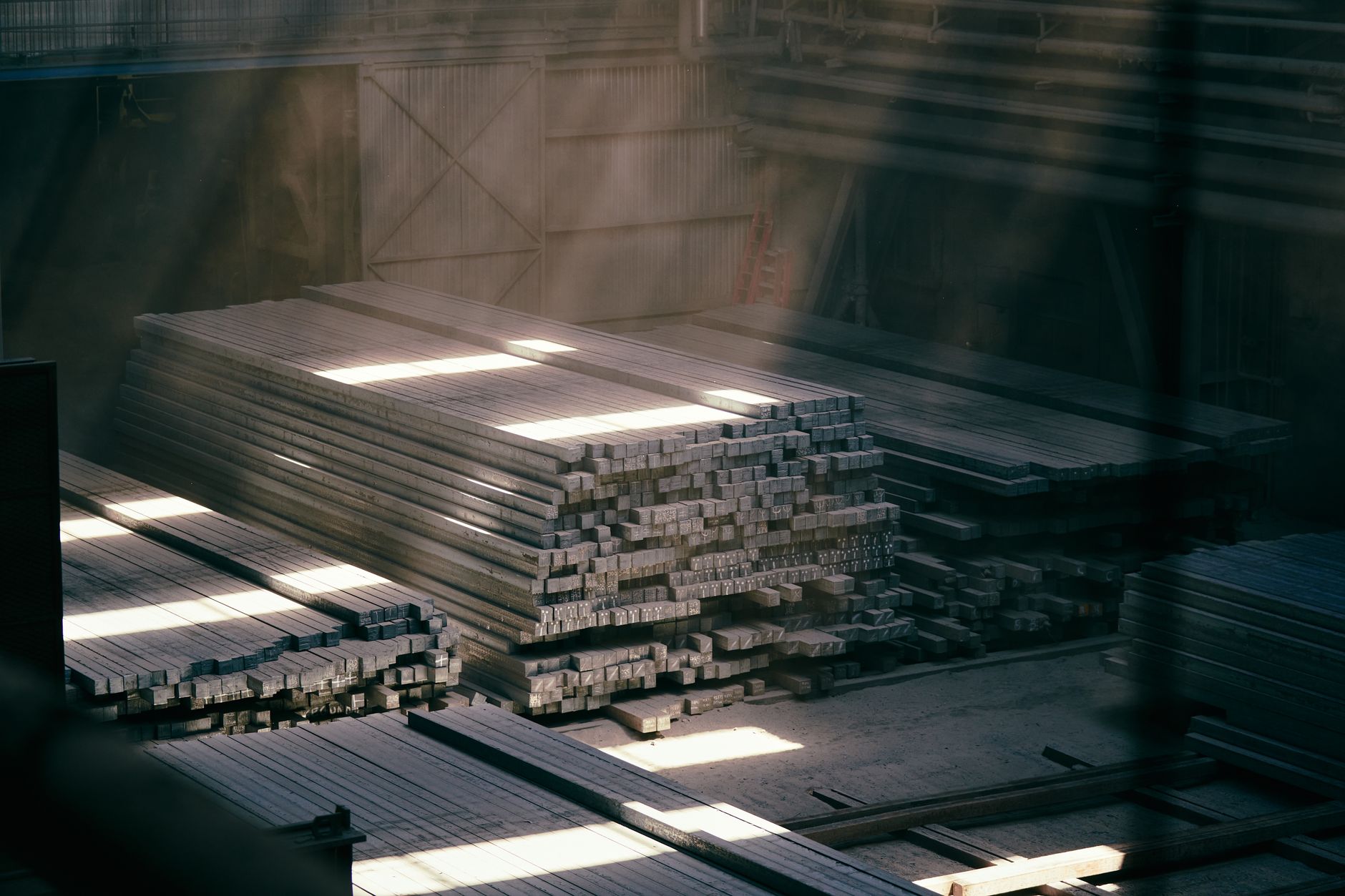
For a manufacturer like Kesari Alloys, the stable scrap environment reinforces the value of offering a full suite of primary steel products. Their continuous‑cast billets and blooms continuous cast billets support ring‑rolling operations, while rolled bars rolled bars serve shafting applications that often compete with scrap‑derived alternatives. Buyers seeking consistent quality and traceability should evaluate Kesari’s grade portfolio, such as C45 carbon steel C45 carbon steel, to meet the mechanical requirements of forged components while hedging against scrap‑price swings.