Steel Prices

Stainless Steel Market Set to Hit $247.42 Billion by 2033 – What It Means for Forging Suppliers

Stainless Steel Market Set to Hit $247.42 Billion by 2033 – What It Means for Forging Suppliers

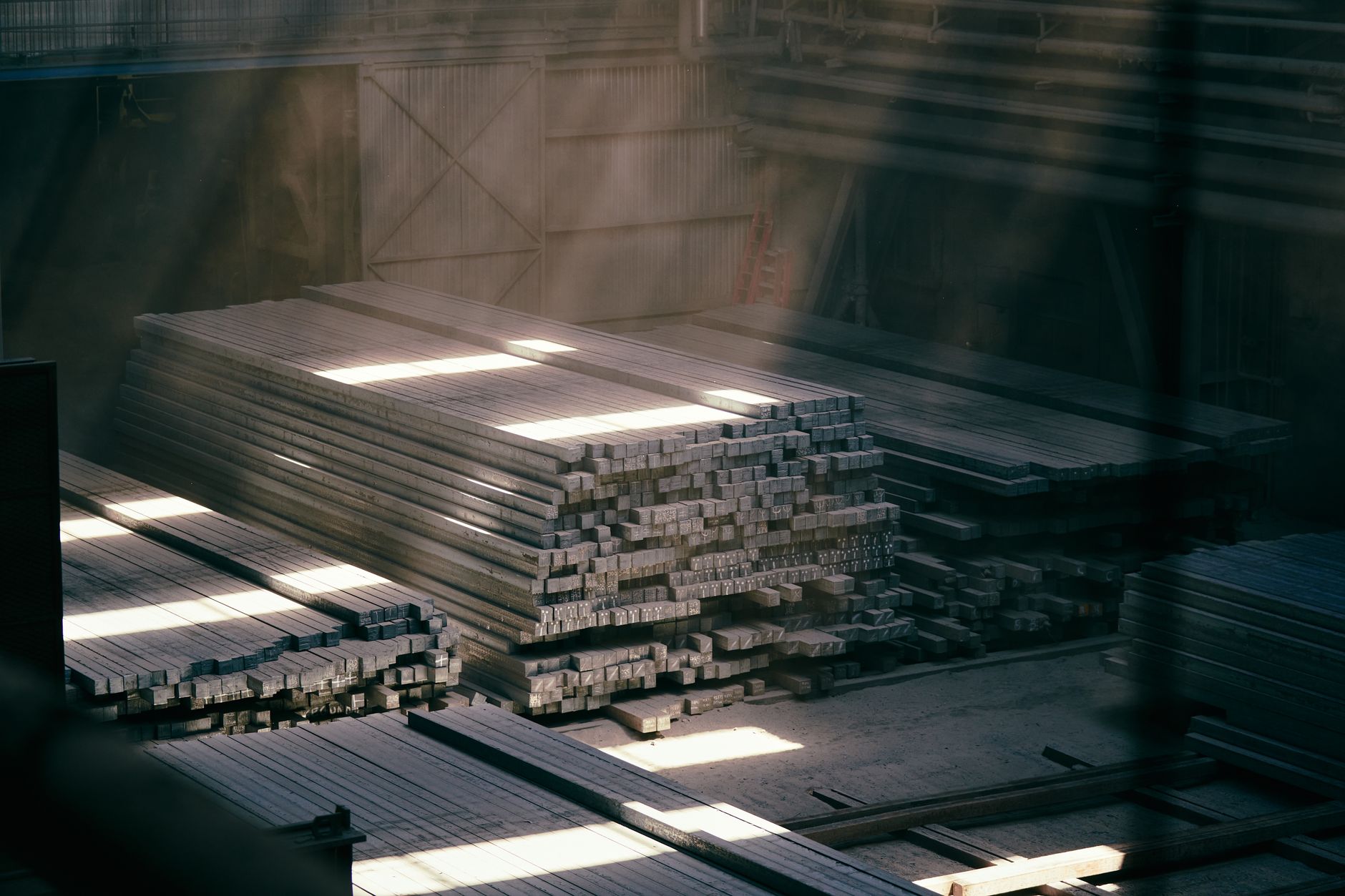
Photo: Ryan Lansdown / Pexels

Key Highlights

  • Stainless‑steel market projected to reach $247.42 bn by 2033
  • Nickel and chromium price volatility pressures supply chains
  • Forging‑grade stainless alloys essential for automotive and power sectors
  • Kesari Alloys offers stainless forging ingots, billets and rolled bars for end‑to‑end sourcing

Market Outlook and Drivers

The global stainless‑steel market is projected to reach US$247.42 billion by 2033, driven by expanding automotive electrification, renewable‑energy infrastructure and stricter corrosion‑resistance specifications in the oil‑&‑gas sector. Growth is especially strong in Asia, where a rising middle class is boosting demand for household appliances and construction‑grade stainless components.

Even as the market expands, price volatility remains a concern. Spikes in nickel and chromium costs, combined with tighter export controls in key producing nations, are tightening the supply‑demand balance. Buyers therefore seek stable sourcing partners that can guarantee consistent alloy chemistry and reliable heat‑treatment performance.

Implications for Forging‑Grade Steel Suppliers

Forging firms serving automotive, power and heavy‑engineering customers must align their material strategy with the anticipated stainless‑steel surge. Selecting the appropriate grade—whether austenitic, martensitic or duplex—is essential to achieve the required strength‑to‑corrosion ratio in parts such as crankshafts, turbine blades and pressure‑vessel flanges.

Suppliers that offer a broad portfolio of stainless‑steel forging ingots enable OEMs to fine‑tune designs without sacrificing manufacturability. Kesari Alloys provides a full suite of stainless‑steel forging ingots suitable for open‑die forging, ring‑rolling and upsetting, allowing customers to match grade selection to specific load and corrosion requirements forging ingots.

Kesari Alloys Perspective

For a forging‑grade steel producer like Kesari Alloys, the projected market expansion underscores the need to maintain a diverse grade offering and flexible casting capabilities. Our continuous‑cast billets and blooms are engineered for ring‑rolling and subsequent forging operations, giving downstream fabricators the material consistency required to meet tighter tolerances.

Buyers should evaluate suppliers on their ability to deliver both stainless‑steel ingots and downstream rolled products, ensuring a seamless material flow from billet to final component. By partnering with an Indian manufacturer that has been in steel since 1987, customers gain access to proven metallurgical expertise and a reliable supply chain for high‑performance forging grades.
Why This Matters for Steel Buyers

The projected market growth will lift demand for corrosion‑resistant forging grades, especially in sectors where component failure can halt production lines. Buyers therefore need a supplier that can guarantee consistent chemistry and documented heat‑treatment records for critical parts such as turbine blades or crankshafts.

When qualifying a supplier, look for capabilities that eliminate hand‑offs: continuous‑cast billets that feed directly into forging lines and the option to source finished rolled bars for shafting or tooling. Kesari Alloys’ billet and bloom portfolio supports ring‑rolling processes, while its rolled‑bar range serves shafting applications, providing a true one‑stop source for the entire production chain continuous cast billets and blooms.

Related from Kesari Alloys: rolled bars.

Frequently Asked Questions

What stainless‑steel grades are most suitable for high‑temperature forging?
Austenitic grades such as 304L and 316L provide excellent oxidation resistance, while martensitic grades like 420 offer higher strength; Kesari Alloys lists these options within its stainless grade family.
Can I source both ingots and rolled bars from the same supplier to simplify logistics?
Yes, Kesari Alloys supplies both stainless‑steel forging ingots and rolled bars, allowing you to streamline procurement and maintain consistent material properties across processes.
How does raw‑material price volatility affect lead times for forging ingots?
Fluctuating nickel and chromium prices can extend lead times as suppliers manage inventory; partnering with a manufacturer that holds diversified stock, like Kesari Alloys, helps mitigate delays.
What should I verify when qualifying a forging‑grade steel supplier for stainless projects?
Confirm the supplier’s grade coverage, heat‑treatment certifications, and ability to deliver continuous cast billets or ingots that match your forging process; Kesari Alloys meets these criteria with its extensive product range.
#stainless steel market #forging ingots #alloy steel manufacturer india #continuous cast billets #steel prices
Source reporting: openPR.com · original article