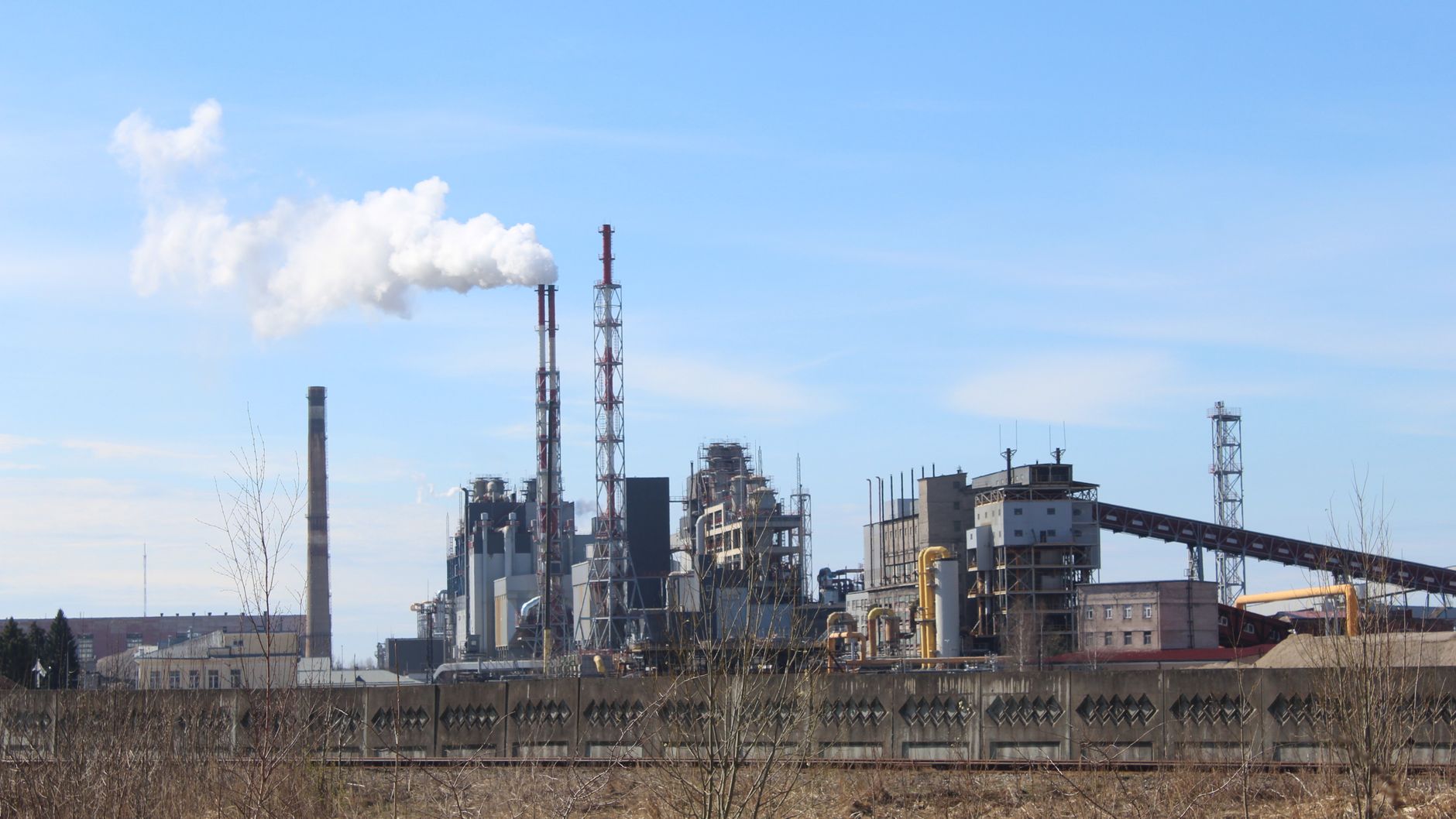
Market Shift: Stainless Steel Gains New Momentum
The recent integration of Tokk Steel’s dedicated stainless division into Shatrunjay Special Alloy’s portfolio highlights a broader industry trend: manufacturers are consolidating stainless capabilities to satisfy growing demand from automotive, power and heavy‑engineering sectors. This consolidation is likely to tighten supply of high‑grade stainless ingots, prompting OEMs to revisit sourcing strategies to ensure consistent chemistry and heat‑treatment control.
For forging houses, the ripple effect is two‑fold. First, the heightened focus on stainless grades such as 304 and 316L will raise the importance of alloy‑controlled forging ingots that support open‑die and ring‑rolling processes. Second, distributors will need to balance inventory between carbon‑based forging stocks and the expanding stainless line to avoid bottlenecks in critical projects.
Implications for Forging‑Grade Steel Providers
Suppliers that already offer a full suite of stainless forging ingots are well positioned to capture this new demand. Buyers should assess manufacturers on their ability to deliver grade‑specific chemistry, traceability and the flexibility to supply both standard and custom stainless alloys. Kesari Alloys, with its Indian manufacturing base and broad grade catalogue, provides those capabilities. Its forging ingots cover carbon, alloy and stainless families, making it a viable partner for projects that require precise upset or ring‑rolling operations.
Kesari Alloys Perspective
The Shatrunjay‑Tokk development underscores the strategic value of a diversified product line. For a forging‑grade steel manufacturer like Kesari Alloys, the ability to supply both stainless forging ingots and continuous cast billets and blooms means customers can obtain the entire material chain from a single, reliable Indian source. Buyers seeking an "alloy steel forging ingots manufacturer in India" should prioritize partners with proven grade breadth and process expertise, ensuring a seamless transition from billet to finished component.
In practice, this translates to shorter lead times, fewer handling steps and better cost control for OEMs and distributors navigating the expanding stainless market.


