Market Shift: Sponge Iron Price Fluctuations
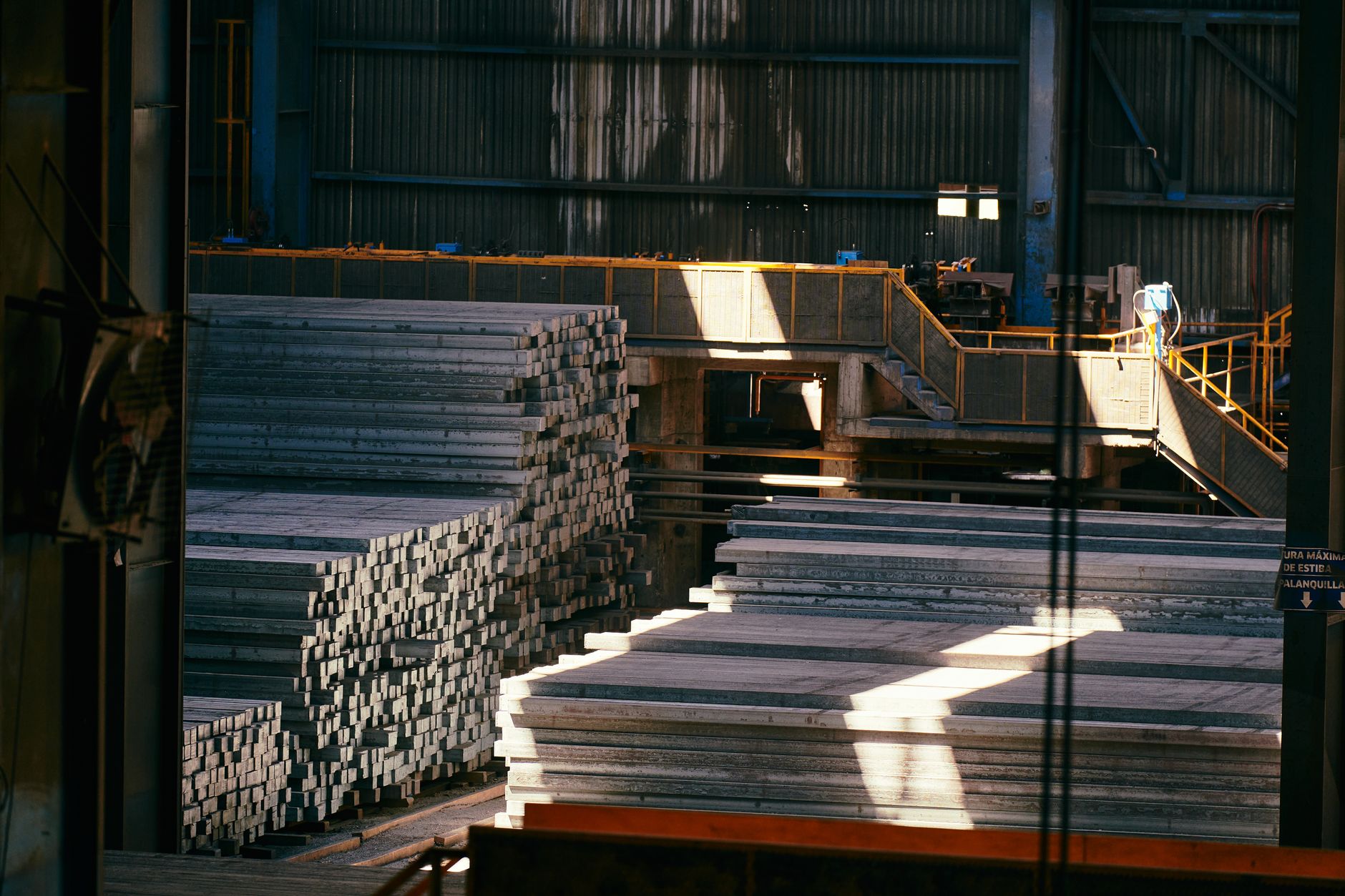
Day‑on‑day data from the Raipur PDRI show a jump of INR 350 per tonne in sponge iron, while other regions posted modest declines. The swing signals tightening raw‑material supplies for steelmakers, especially those that rely on electric‑arc furnace (EAF) feedstock. For forging‑ingot manufacturers, the cost of the underlying billet and bloom material often moves in step with sponge iron, pressuring ingot pricing and margin forecasts.
Implications for Forging Grade Steel Supply
Higher sponge‑iron costs usually translate into higher prices for carbon and alloy steel billets used in open‑die forging, ring rolling and upsetting. Automotive and heavy‑engineering buyers may face tighter budgets for grades such as 42CrMo4 or EN8, prompting a reassessment of inventory strategies. Suppliers that can guarantee a stable supply of forged ingots or alternative billet sources become especially valuable in this climate.
Kesari Alloys Perspective
Kesari Alloys, an established Indian manufacturer of carbon, alloy and stainless steel forging ingots, monitors raw‑material trends closely. The company’s diversified product line—including high‑quality forging ingots—allows it to cushion short‑term price spikes by leveraging long‑term contracts and a broad grade portfolio. Buyers seeking an "alloy steel forging ingots manufacturer in India" should evaluate a supplier’s ability to maintain consistent chemistry and mechanical properties despite raw‑material volatility.
Beyond ingots, Kesari Alloys offers continuous cast billets and blooms and rolled bars that can serve as alternative feedstock for ring‑rolling or shafting applications, giving procurement teams flexibility to balance cost and performance.