Steel Prices

Sponge Iron Prices Rise Post‑Diwali: Implications for Forging‑Grade Steel Supply

Sponge Iron Prices Rise Post‑Diwali: Implications for Forging‑Grade Steel Supply

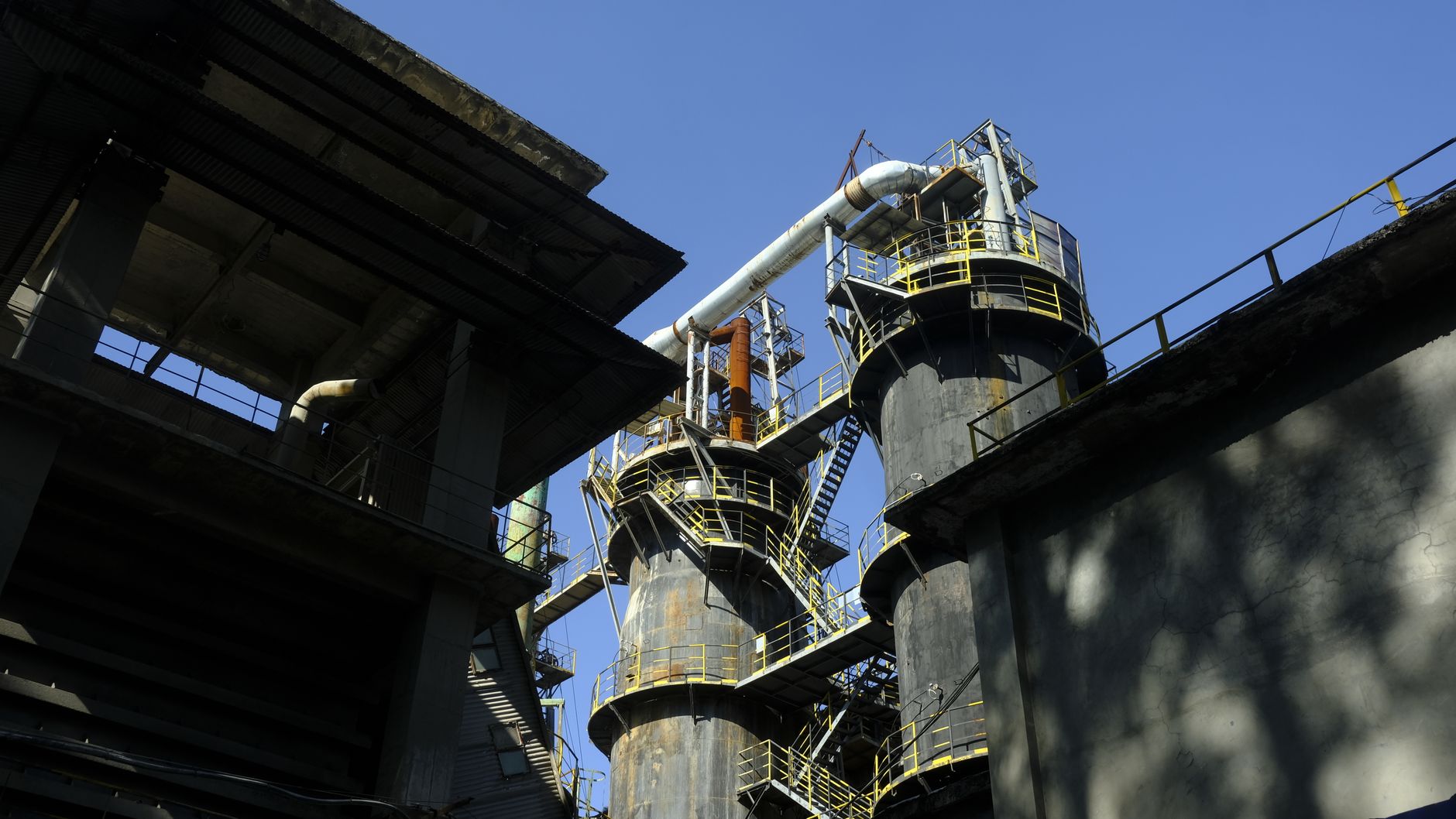
Photo: DH 黄 / Pexels

Key Highlights

  • Sponge iron prices rose modestly across Indian steel hubs after Diwali.
  • Higher feedstock costs can affect the price of forging‑grade carbon and alloy steels.
  • Buyers should prioritize suppliers with integrated casting capabilities for price stability.
  • Kesari Alloys provides forging ingots, billets and rolled bars sourced from domestic sponge iron.
  • Selecting the correct steel grade can offset raw‑material cost increases.

Market Recovery Signals Shifting Input Costs

After the Diwali festivities, India's sponge‑iron market has shown a modest rebound, with spot prices inching higher at key hubs such as Kalinganagar, Jamshedpur and Bhilai. The rise reflects tighter domestic supply, seasonal demand from the automotive and construction sectors, and a gradual easing of logistics bottlenecks that had constrained raw‑material flows during the festival period.

For forging and heavy‑engineering OEMs, this price movement matters because sponge iron is the primary feedstock for the electric‑arc furnaces that produce the high‑grade carbon and alloy steels used in open‑die forging and ring‑rolling. A sustained price increase lifts the cost base for ingot manufacturers, prompting downstream buyers to reassess inventory levels and grade selection.

Strategic Sourcing Amid Volatile Raw‑Material Markets

Buyers should watch not only the spot price of sponge iron but also the availability of downstream products that meet exacting forging specifications. Selecting a supplier with a broad grade portfolio and proven continuous‑casting capability can mitigate the risk of sudden price spikes. Kesari Alloys, for example, offers a range of forging ingots produced from domestically sourced sponge iron, ensuring traceability and consistent chemistry.

When evaluating alternatives, consider how the ingot chemistry aligns with your forging process—whether you need a high‑strength alloy such as 42CrMo4 or a more ductile carbon steel like EN8. The right grade can reduce the number of heat‑treatment cycles, lowering overall production cost even as raw‑material prices climb.

Kesari Alloys Perspective

For a forging‑grade steel manufacturer, the post‑Diwali rebound in sponge‑iron prices underscores the importance of maintaining a diversified raw‑material base. Kesari Alloys leverages its Bhiwadi facilities to melt and cast ingots, billets and bars from locally sourced sponge iron, helping to buffer customers against import‑related price volatility.

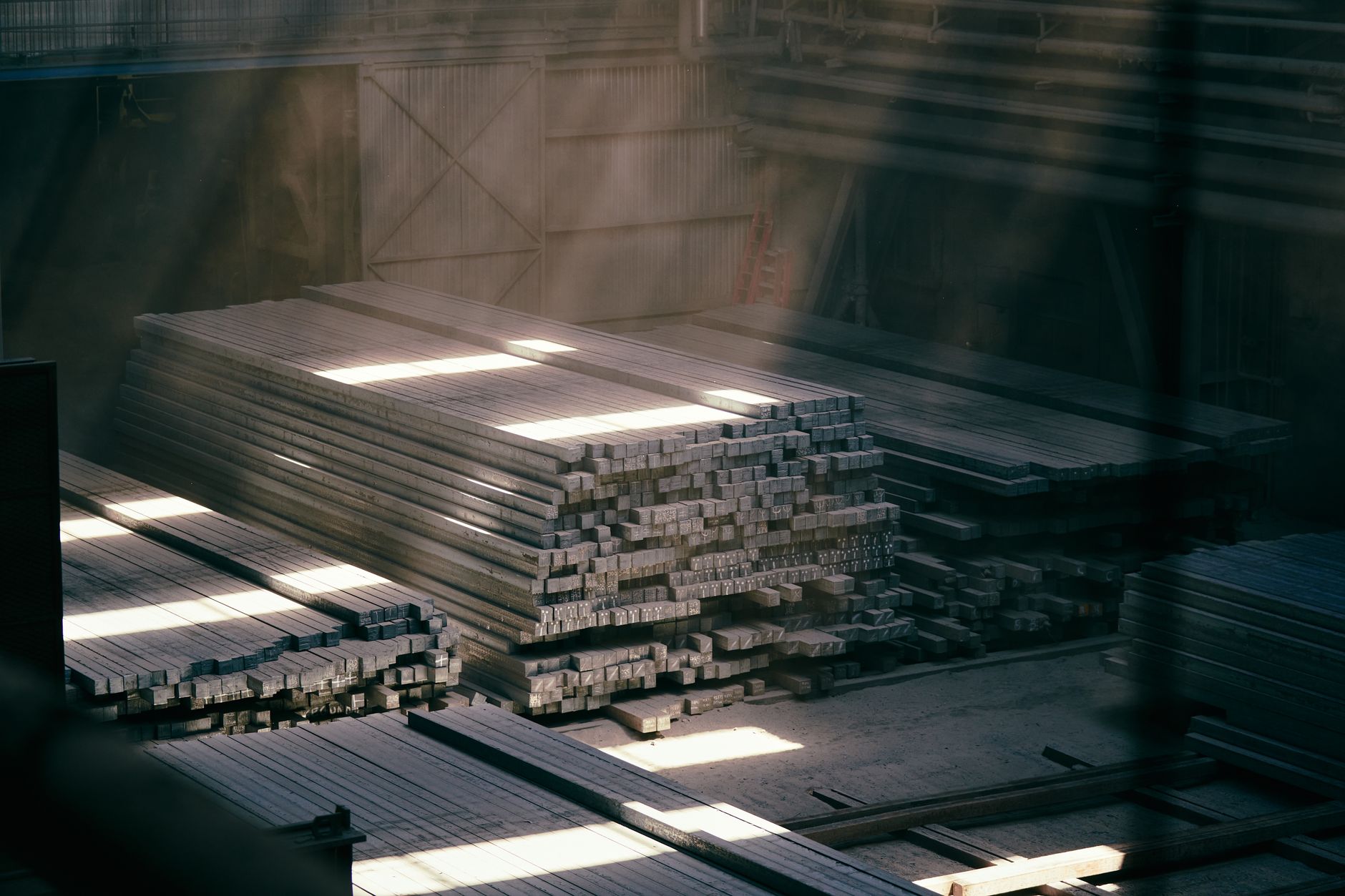
Buyers looking for an "alloy steel forging ingots manufacturer in India" can evaluate Kesari Alloys' forging ingots alongside its continuous cast billets and blooms and rolled bars to build a resilient supply chain that aligns with both price and technical requirements.
Why This Matters for Steel Buyers

The post‑Diwali lift in sponge‑iron prices raises the input cost for high‑quality forging ingots. Securing a supplier that offers a complete downstream suite—such as the steel grade family—lets buyers lock in consistent chemistry and avoid costly re‑qualification of grades.

Purchasing ahead of the next seasonal demand surge and holding a safety stock of critical grades like EN8 or C45 protects project margins. A supplier that can source locally and provide both ingots and continuous‑cast billets gives you the flexibility to adjust inventory levels without compromising on technical specifications.

Frequently Asked Questions

How does the rise in sponge iron prices affect forging ingot costs?
Higher sponge iron prices raise the raw‑material cost for electric‑arc furnace melting, which in turn can increase the price of forged ingots unless the supplier has a stable domestic supply chain.
What grades are suitable for open‑die forging when raw‑material costs rise?
Carbon steels such as EN8 and alloy steels like 42CrMo4 remain popular; selecting a grade with optimal strength‑to‑ductility balance can reduce additional heat‑treatment steps and offset material cost increases.
Can Kesari Alloys help manage price volatility?
Yes, Kesari Alloys sources sponge iron locally and offers a full range of forging ingots, continuous cast billets and rolled bars, providing buyers with consistent quality and pricing control.
What should I look for when qualifying a forging‑grade steel supplier?
Focus on the supplier’s grade portfolio, domestic raw‑material sourcing, and capability to deliver both ingots and downstream forms like billets or bars, which ensures flexibility and supply security.
#sponge iron prices #forging ingots #alloy steel manufacturer india #steel grade selection #raw material volatility
Source reporting: BigMint · original article