Steel Prices

SAIL’s Rs 1,714‑Crore Alloy Steel Plant Upgrade Triggers Market Realignment

SAIL’s Rs 1,714‑Crore Alloy Steel Plant Upgrade Triggers Market Realignment

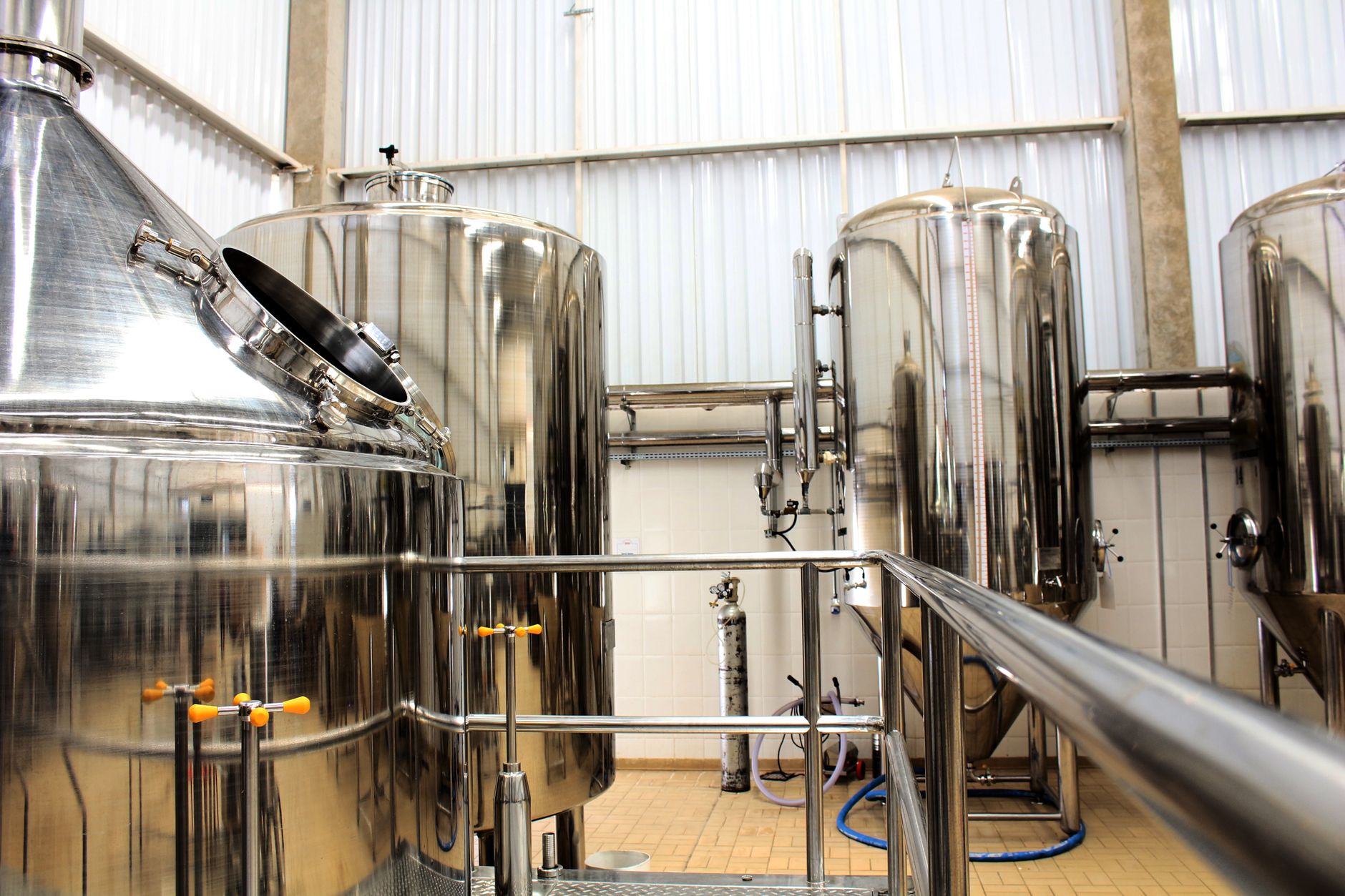
Photo: wal_ 172619 / Pexels

Key Highlights

  • SAIL approves a Rs 1,714‑crore upgrade to boost alloy‑steel capacity by up to 20%
  • Modernisation will improve melt control, benefiting high‑strength grades like 42CrMo4 and SAE 4140
  • Potential short‑term price pressure as supply tightens during plant ramp‑up
  • Buyers should consider alternative Indian suppliers with proven forging ingot capabilities
  • Kesari Alloys provides both forging ingots and continuous cast billets for flexible sourcing

Industry Impact of SAIL’s Modernisation

Steel Authority of India Limited (SAIL) has secured approval for a Rs 1,714‑crore investment to modernise its alloy‑steels plant. The upgrade will install advanced ladle‑furnace technology, expand continuous‑casting capacity and introduce higher‑precision rolling mills. These steps are expected to lift alloy‑steel output by roughly 15‑20% and improve chemical uniformity—critical for high‑strength forgings used in automotive and power‑generation equipment.

For OEMs and forging houses, the immediate effect will be a tighter supply‑demand balance in grades such as 42CrMo4 and SAE 4140, which are staples for crankshafts, gear shafts and high‑pressure components. While the enhanced melt‑control should reduce variability, the volume surge may also push spot prices higher, especially for alloy steels with high chromium‑molybdenum content. Buyers will need to reassess inventory buffers and consider alternative sources to mitigate any short‑term price spikes.

Strategic Sourcing Considerations

Domestic manufacturers that can match SAIL’s improved chemical consistency and heat‑treatment reliability will become more attractive. Companies like Kesari Alloys, with a proven track record in producing carbon, alloy and stainless forging ingots, provide a viable backup for critical grades. Their portfolio spans the full spectrum of alloy steels, allowing buyers to switch between ingot‑fed forging and billet‑fed rolling without compromising specifications.

When evaluating suppliers, prioritize capabilities such as open‑die forging, ring‑rolling and upsetting—processes essential for converting alloy‑steel billets into complex near‑net‑shape components. A robust continuous‑casting line for billets and blooms also ensures tighter tolerances and faster lead times.

Kesari Alloys Perspective

For a forging‑grade steel manufacturer like Kesari Alloys, SAIL’s modernisation underscores the growing importance of consistent alloy chemistry and flexible product forms. Kesari’s forging ingots and continuous cast billets and blooms enable customers to source material that matches the upgraded specifications SAIL is targeting, while still maintaining the flexibility to produce custom forgings in‑house. Buyers seeking an "alloy steel forging ingots manufacturer in India" should therefore evaluate both the metallurgical quality and the breadth of grade coverage that Kesari offers, ensuring a seamless transition should SAIL’s output constraints tighten.
Why This Matters for Steel Buyers

SAIL’s expanded capacity and tighter chemistry will raise the benchmark for alloy‑steel quality in India, putting pressure on spot prices for high‑chromium‑molybdenum grades. Procurement teams should model the cost impact of a 5‑10% price lift and adjust safety‑stock levels to keep production schedules intact.

Qualifying a supplier with a broad grade portfolio—such as Kesari Alloys—provides a two‑fold advantage: it secures consistent material for critical components and diversifies supply risk. Their steel grade family overview lets engineers quickly map required specifications to available stock, reducing lead‑time uncertainty and protecting margins against SAIL‑driven market volatility.

Frequently Asked Questions

How will SAIL’s plant upgrade affect the availability of 42CrMo4 steel?
The upgrade is expected to increase overall alloy‑steel output, but the transition period may temporarily tighten 42CrMo4 supply, prompting buyers to secure additional inventory or alternative sources.
What should a forging company look for when selecting a new alloy steel supplier after this upgrade?
Key factors include proven forging ingot capability, consistent chemical composition, and the ability to supply both ingots and billets for open‑die or ring‑rolling processes; Kesari Alloys meets these criteria.
Can Kesari Alloys provide grades comparable to SAIL’s upgraded alloys?
Yes, Kesari Alloys offers a full range of alloy grades, including SAE 4140 and 42CrMo4, in forging ingot and billet forms that align with the tighter specifications SAIL is targeting.
Is it advisable to hold safety stock of alloy steel during SAIL’s modernization?
Maintaining a modest safety stock is prudent, especially for high‑value grades, to buffer against any short‑term supply gaps during the plant’s ramp‑up phase.
#steel prices #alloy steel manufacturer india #forging ingots #continuous cast billets #SAIL modernization
Source reporting: Statesman · original article