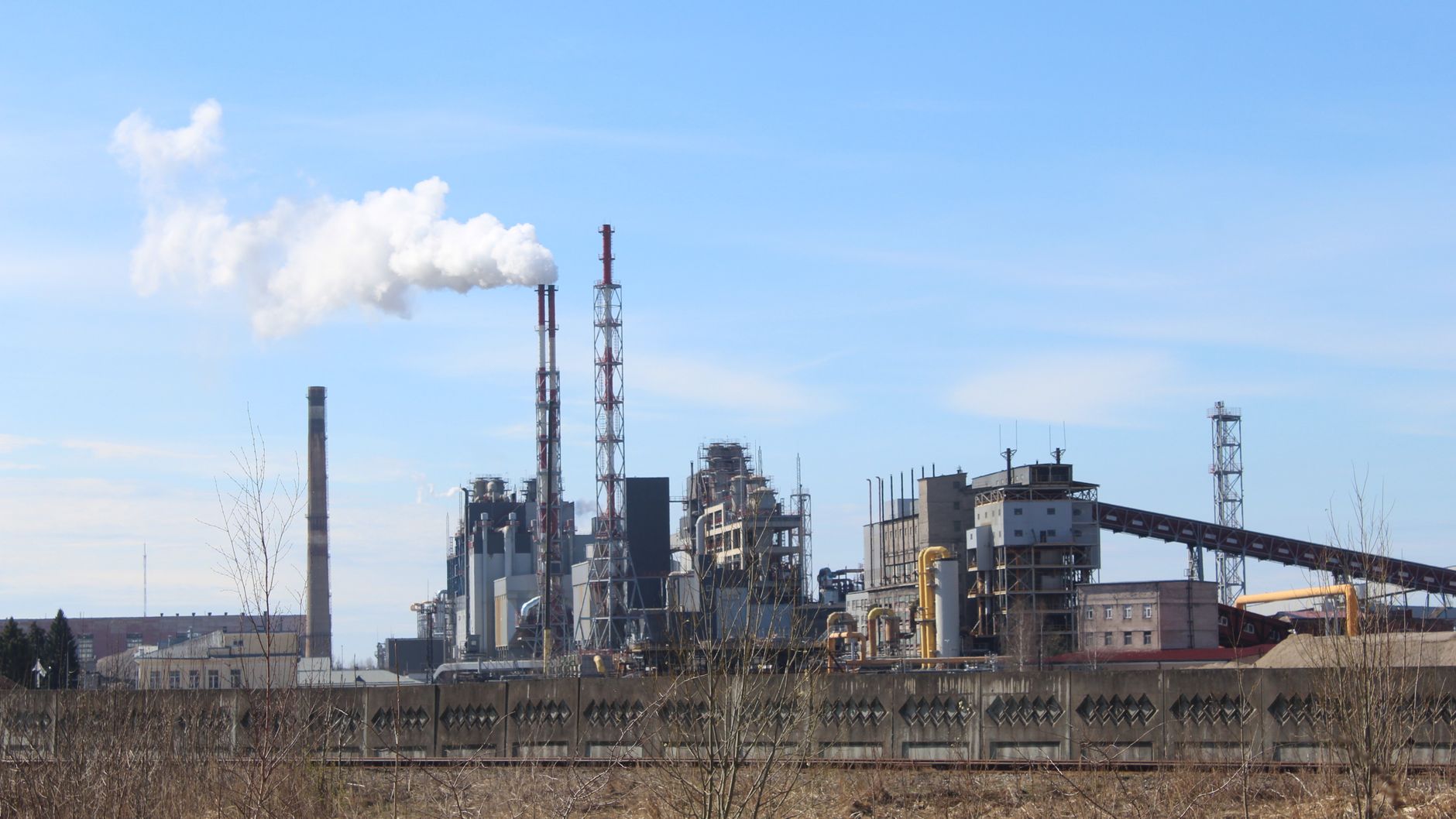
Industry Impact of SAIL’s Rs 1714 Cr Upgrade
The Steel Authority of India’s decision to inject Rs 1714 crore into the Durgapur alloy‑steels plant marks the largest single‑site modernization in the country’s public‑sector steel sector in the past decade. The capital spend targets advanced ladle‑furnace controls, low‑carbon melt‑shop technologies and upgraded rolling mills that can produce tighter tolerances for alloy grades such as 42CrMo4 and SAE‑4140. For OEMs in automotive, power generation and heavy engineering, the move promises a more reliable supply of high‑grade alloy billets that meet stricter chemical specifications and surface‑finish requirements.
From a forging perspective, the modernized plant is expected to boost output of alloy billets suited to open‑die forging, ring‑rolling and upset forging. Those processes demand material with consistent chemistry, low inclusion levels and controlled grain structure—attributes traditionally sourced from dedicated forging‑ingot manufacturers. As SAIL ramps up capacity, downstream distributors will evaluate whether to source directly from the revamped plant or continue relying on specialized suppliers that can guarantee grade‑specific heat treatment and traceability.
Kesari Alloys Perspective
For a forging‑grade steel manufacturer like Kesari Alloys, SAIL’s upgrade creates both a competitive benchmark and a partnership opportunity. Kesari’s portfolio of forging ingots and continuous cast billets and blooms already aligns with the processes SAIL is enhancing, meaning buyers can compare melt‑shop quality, grade range and heat‑treatment consistency. Companies seeking alloy steel forging ingots manufacturer in India will look for traceable chemistry, especially for critical grades such as 42CrMo4 and SAE‑4140, which Kesari documents in its grade‑family overview.
Buyers should therefore assess whether the newly modernized Durgapur output meets their tolerance windows or whether they need the tighter control offered by a dedicated forging‑ingot supplier. Kesari Alloys’ long‑standing focus on alloy grades for open‑die forging and ring‑rolling provides a reliable fallback, especially when lead‑time certainty and grade certification are paramount for high‑value projects.