Market Overview
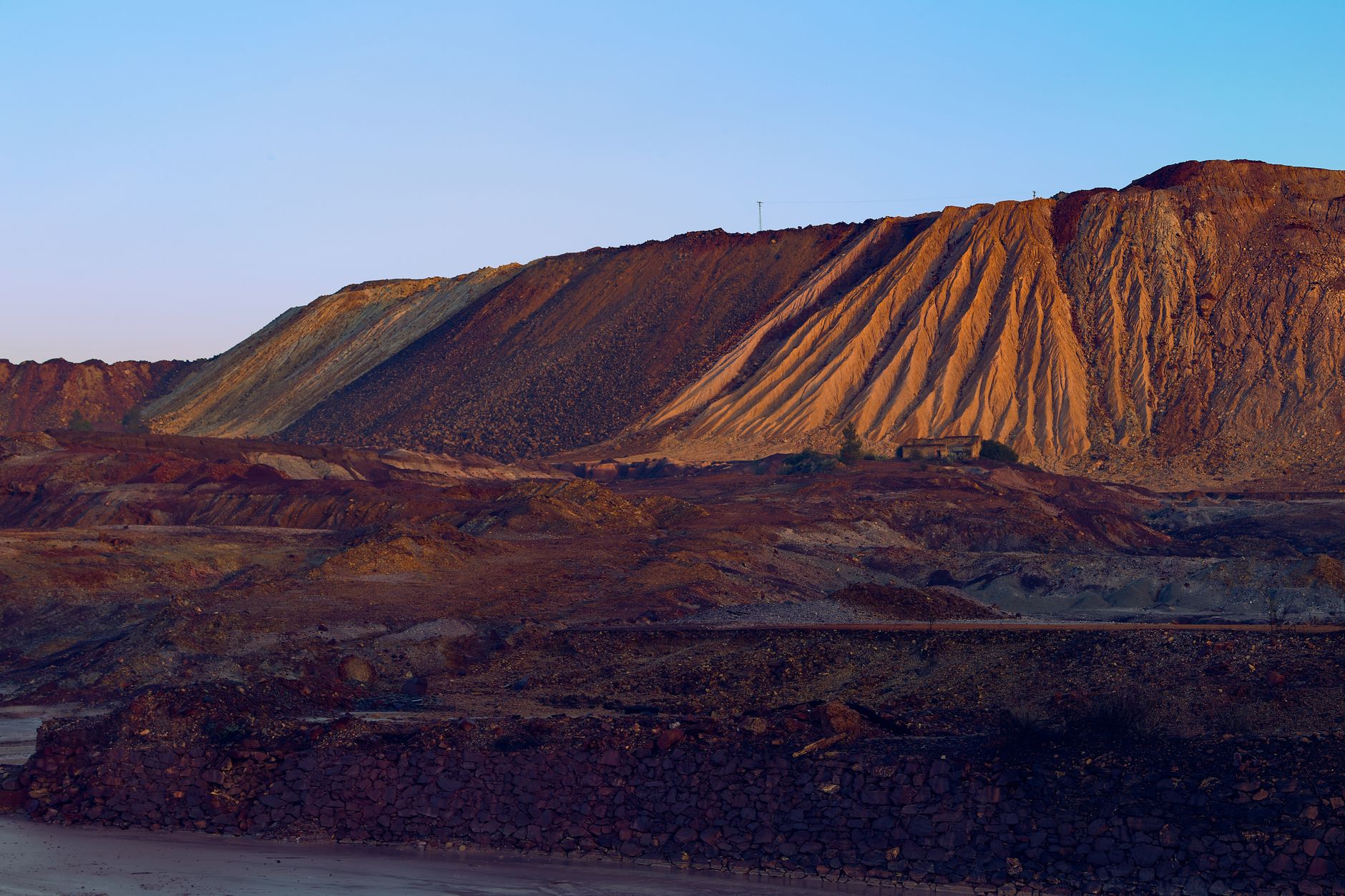
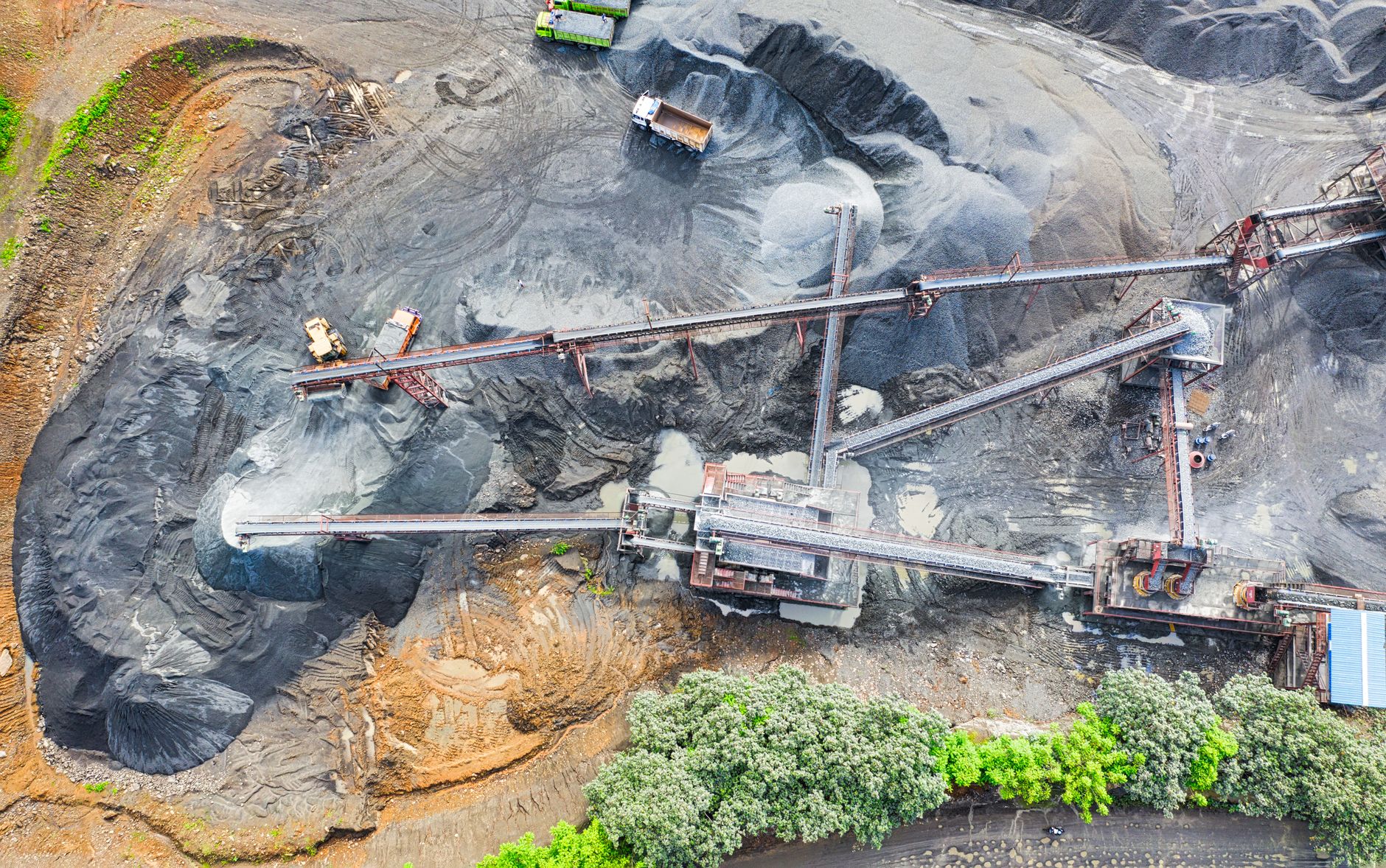
The upcoming auction of 40,000 t of iron‑ore pellets and 55,000 t of fines by Rungta in Odisha will add a sizable batch of primary feedstock to the Indian steel market. While most of the material is destined for integrated steel mills, downstream users—especially forging houses—should watch how it affects scrap‑based furnace operations and the cost curve for high‑grade alloy steel.
Historically, Indian forging firms have balanced imported ferro‑alloys with domestic iron‑ore to keep alloy‑steel ingot prices competitive. An influx of low‑cost pellets can compress furnace margins for carbon and alloy steel producers, which may translate into more stable pricing for grades such as 42CrMo4, EN8 or C45. Buyers should therefore track the auction outcome and any subsequent adjustments to furnace charge rates.
Implications for Forging Supply Chains
For OEMs and distributors, the key question is whether the pellet supply will lower the cost base for forging‑grade steel. A reduction in primary iron costs can improve the economics of open‑die forging and ring‑rolling, where material utilization rates are high. Companies that source directly from ingot manufacturers stand to benefit from tighter price spreads when the raw‑material market eases.
Buyers looking for a reliable “alloy steel forging ingots manufacturer in India” should evaluate suppliers that offer a broad grade portfolio and flexible product forms. Kesari Alloys provides forging ingots across carbon, alloy and stainless families, and also supplies continuous cast billets and C45 carbon steel for applications ranging from crankshafts to gear blanks. Selecting a partner with both ingot and billet capabilities can hedge against short‑term raw‑material volatility while ensuring consistent heat‑treatability.
Kesari Alloys Perspective
The Rungta auction underscores the importance of sourcing from a manufacturer that can absorb raw‑material fluctuations without compromising grade integrity. Kesari Alloys, with its long‑standing presence in Bhiwadi, Rajasthan, offers a diversified product line that includes ingots suitable for open‑die forging, ring rolling and upsetting. By maintaining a portfolio that spans carbon to stainless steels, the company can match the evolving alloy specifications that downstream users may require as they adjust to new pellet pricing dynamics.
For buyers, the practical takeaway is to engage a supplier like Kesari Alloys that can provide both the specific grade—such as C45 or EN8—and the form factor—whether ingot or billet—that aligns with their production process. This dual capability helps mitigate inventory risk and supports smoother production scheduling in a market where raw‑material costs are in flux.