Steel Prices
Rising DRI Projects Shift Demand Toward Forging-Grade Steel Amid Natural Gas Cost Pressures
1 Nov 2026•1 November 2026•1 min read•Source: IndexBox
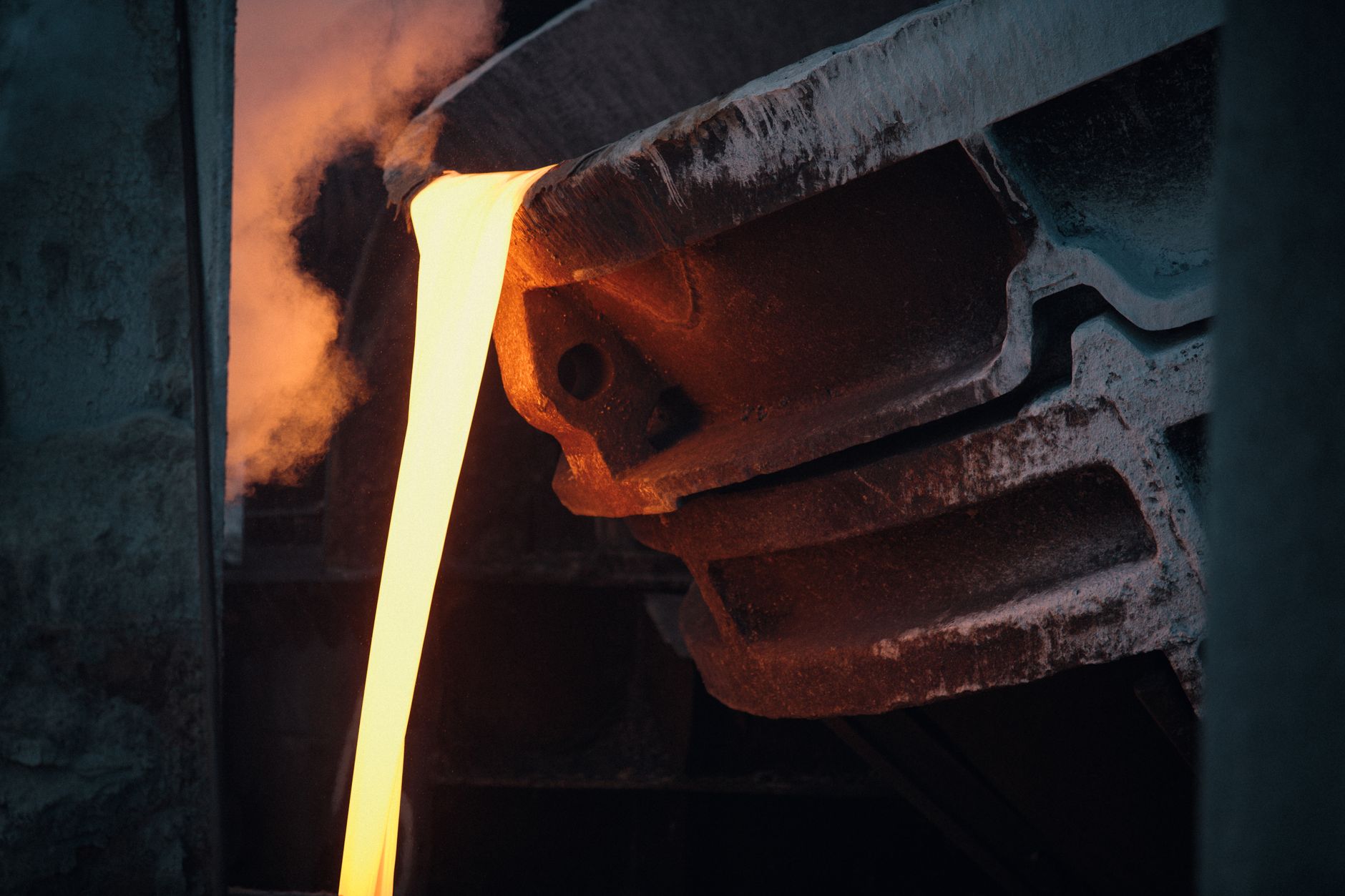
Photo: Bence Szemerey / Pexels
Key Highlights
- Natural‑gas price spikes accelerate DRI plant investments worldwide.
- DRI growth expands low‑carbon steel supply but tightens alloy‑grade availability.
- Forging manufacturers must reassess grade selection for performance vs. cost.
- Kesari Alloys offers a full suite of forging ingots and billets to address shifting demand.
Industry Shift: DRI Gains Traction
Higher natural‑gas prices are making direct‑reduced‑iron (DRI) routes more attractive for steelmakers seeking to curb carbon emissions and control input costs. DRI plants, which rely on electricity and iron ore rather than gas‑fired blast furnaces, are expanding in regions with abundant renewable power, reshaping the feedstock mix for downstream forging and component manufacturers.
Implications for Forging‑Grade Steel Supply
The surge in DRI output is expected to increase the availability of low‑carbon steel billets and ingots, but it also tightens the market for high‑grade alloy steels needed in demanding applications such as automotive power‑train components and oil‑&‑gas pressure vessels. Buyers must balance cost sensitivity with performance specifications, especially when selecting material for open‑die forging or ring‑rolling processes.
Kesari Alloys Perspective
For a supplier like Kesari Alloys, the trend underscores the importance of a diversified product portfolio. Our forging ingots—covering carbon, alloy and stainless grades—are engineered for open‑die forging, ring rolling and upsetting, giving OEMs flexibility to source high‑strength material regardless of upstream steelmaking shifts. Likewise, the continuous cast billets and blooms provide ready‑to‑roll feedstock for customers who prefer downstream hot‑working. By maintaining a broad grade base, Kesari Alloys helps buyers mitigate supply‑chain volatility while meeting stringent mechanical requirements.
Why This Matters for Steel Buyers
The shift to DRI alters the cost structure of primary steel, which in turn affects the pricing of downstream forging grades. Buyers should review inventory levels of critical alloys such as 42CrMo4 or EN8 and qualify multiple suppliers to guard against potential bottlenecks.
When specifying material, prioritize manufacturers that offer both C45 carbon steel and higher‑alloy alternatives, so you can switch grades without incurring long lead times. A supplier with proven experience in open‑die and ring‑rolling applications can also help optimise heat‑treatment cycles and reduce scrap rates.
Frequently Asked Questions
How does the rise of DRI affect pricing for alloy forging ingots?
DRI lowers the cost of basic steel but can tighten supply of specialty alloys, leading to modest price premiums for grades used in high‑strength forging.
What grade should I choose for a high‑load automotive crankshaft forged from DRI‑derived steel?
A medium‑alloy such as 42CrMo4 or a high‑carbon like EN8 provides the required fatigue strength; verify the supplier can meet the required chemistry.
Can Kesari Alloys supply both ingots and billets for a mixed‑process forging line?
Yes, Kesari Alloys offers forging ingots as well as continuous cast billets and blooms, allowing seamless material flow from heat‑up to final shaping.
What should I look for when qualifying a forging‑grade steel supplier in India?
Focus on the range of grades offered, experience with open‑die and ring‑rolling processes, and the ability to provide consistent chemistry documentation; Kesari Alloys meets these criteria.
#direct reduced iron
#alloy steel manufacturer india
#forging ingots
#steel grade selection
#industrial steel sourcing