Market Reaction to the PE Price Increase
Reliance’s decision to raise domestic polyethylene (PE) prices by up to INR 10 per kg signals tighter supply and higher replacement costs across the petrochemical chain. Although PE is a polymer, its price trend often mirrors broader commodity movements, including raw‑material costs for steel processing such as lubricants, protective coatings and heat‑treatment gases. Forging shops that rely on PE‑based cutting fluids can therefore expect a modest rise in operating expenses, prompting a re‑evaluation of material budgets for upcoming projects.
Implications for Steel Forging and Component Makers
Higher polymer costs compress margins for manufacturers of automotive, power‑generation and oil‑&‑gas components, where cost control is critical. Buyers may respond by selecting more price‑stable steel grades or by consolidating orders to secure better terms. For example, choosing a versatile grade like C45 carbon steel or EN8 carbon steel reduces the need for multiple specifications, simplifies inventory and can offset the pressure from rising PE prices.
Kesari Alloys Perspective
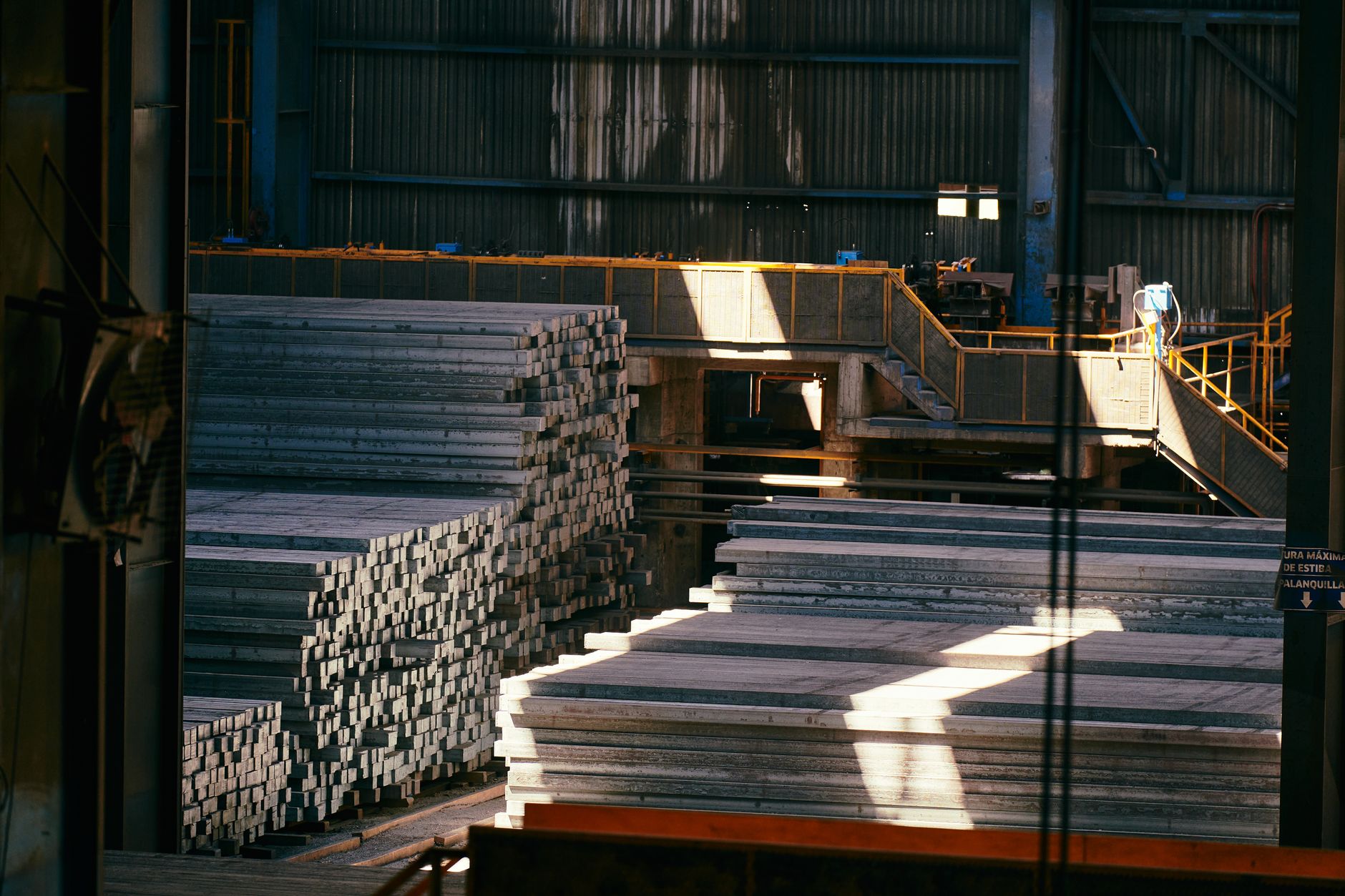
For a supplier such as Kesari Alloys, the ripple effect of rising PE prices underscores the value of a broad portfolio that spans forging ingots, continuous‑cast billets and rolled bars, each catering to different performance and price points. Buyers seeking an "alloy steel forging ingots manufacturer in India" can obtain open‑die or ring‑rolling‑ready ingots from Kesari Alloys, ensuring material quality remains consistent even as ancillary costs climb. The availability of continuous cast billets and blooms offers a cost‑effective feedstock for secondary forging, while rolled bars serve as ready‑to‑machine shafts, reducing handling steps and associated lubricant usage.