Company Updates
Regulatory Scrutiny of Tata‑Steel–Apollo Deal Raises Questions for Forging Steel Buyers
46m ago•28 November 2026•2 min read•Source: Business Standard
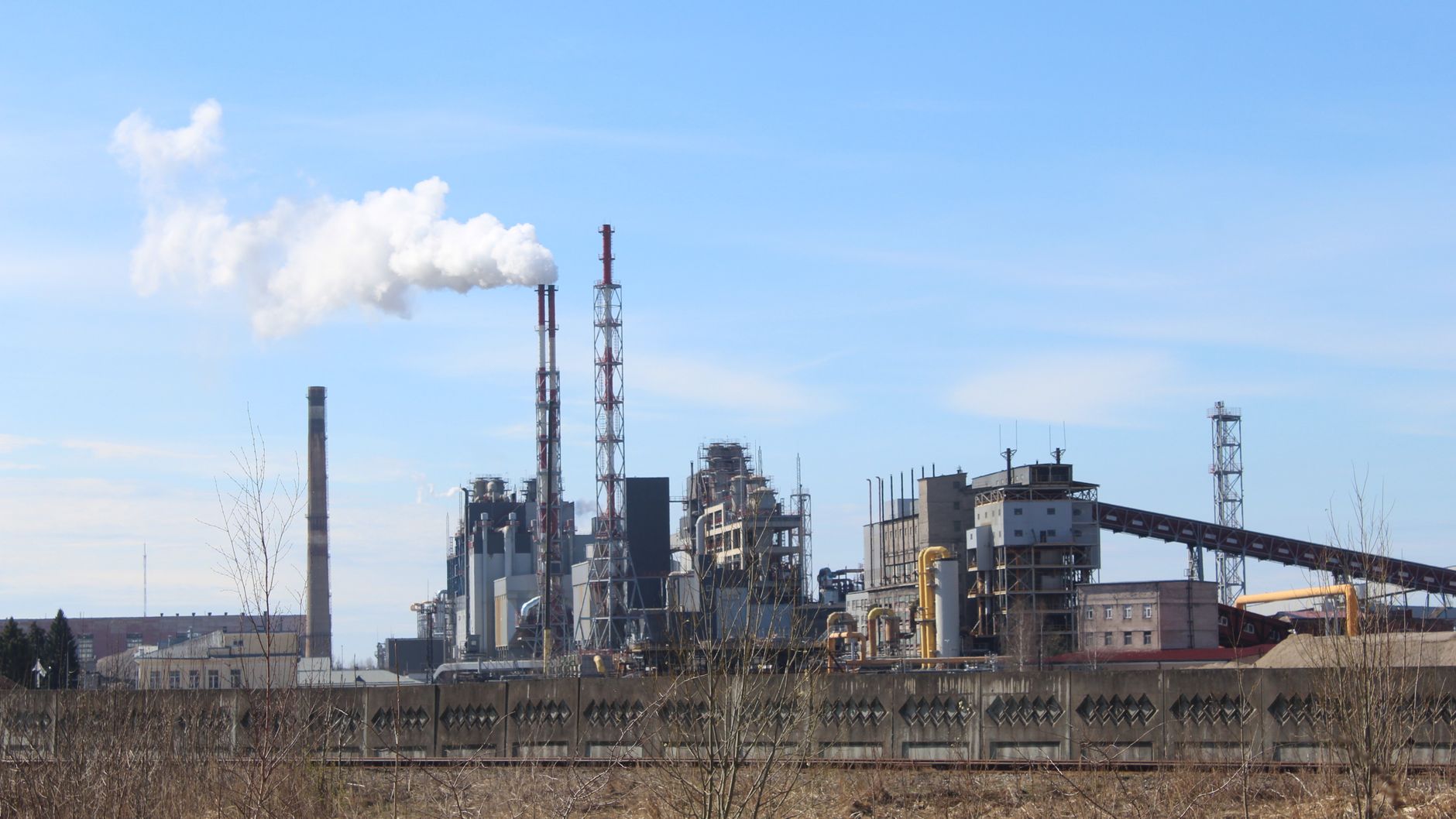
Photo: Paolo Rossa / Pexels
Key Highlights
- SEBI probe may tighten financing for large steel mergers
- Potential price volatility for alloy grades used in forging
- Buyers should secure stable sources for ingots and billets
- Kesari Alloys offers a full suite of forging ingots and billets
- Transparent grade data helps OEMs manage inventory risk
Deal Overview and Market Ripple
The Securities and Exchange Board of India’s recent probe into the Tata Steel‑APL Apollo transaction underscores concerns about minority‑shareholder rights and valuation transparency. While the deal is fundamentally a consolidation move, the regulatory spotlight could tighten financing conditions for large‑scale mergers and shift pricing dynamics for downstream steel products, particularly those used in high‑value forging applications.
Implications for Forging‑Grade Steel Supply
Buyers of open‑die and ring‑rolling steels should monitor possible changes in raw‑material cost structures. A merger that reshapes the domestic alloy market may affect the availability of key grades such as 42CrMo4 or EN8, prompting OEMs to reassess inventory buffers. In this context, sourcing from a specialist ingot producer with a broad grade portfolio becomes a practical risk‑mitigation strategy.
Kesari Alloys Perspective
For a forging‑grade steel manufacturer like Kesari Alloys, heightened regulatory oversight highlights the advantage of a transparent, grade‑focused offering. Our forging ingots are produced to exacting alloy specifications, supporting open‑die, ring‑rolling and upsetting processes without reliance on large‑scale consolidation dynamics. Likewise, the continuous cast billets and blooms provide a stable feedstock for downstream forging and rolling, giving buyers a predictable source when market sentiment shifts. Buyers seeking an "alloy steel forging ingots manufacturer in India" can therefore lean on Kesari’s diversified product line to maintain continuity in their supply chain amid broader industry turbulence.
Why This Matters for Steel Buyers
Regulatory uncertainty can delay deal closures and create short‑term supply gaps for critical forging grades. As a result, buyers must prioritize suppliers that can guarantee consistent chemistry, especially for components that undergo upset forging or ring rolling.
Partnering with a manufacturer that documents its full steel grade family—such as Kesari Alloys—allows buyers to match exact specifications (e.g., EN8 for gear shafts or C45 for crankshafts) and avoid last‑minute substitutions that could compromise component performance or lead to costly re‑work.
Frequently Asked Questions
How might the Tata‑Steel–Apollo investigation affect alloy steel pricing?
The probe could slow the merger, limiting the expected economies of scale and keeping alloy steel prices more volatile in the short term.
What grades are most exposed to supply‑chain shocks from large steel deals?
Alloy grades used in forging, such as EN8, 42CrMo4 and other tool steels, are typically sensitive to changes in bulk steel ownership.
Should I consider alternative suppliers for forging ingots?
Yes, diversifying to a specialist like Kesari Alloys, which offers a wide range of forging ingots and billets, can reduce reliance on large integrated steel producers.
What makes Kesari Alloys a reliable partner for OEMs amid market uncertainty?
Kesari Alloys provides transparent grade specifications, a full suite of forging ingots, billets and rolled bars, and a long‑standing presence in India’s steel industry since 1987.
#steel news
#alloy steel manufacturer india
#forging ingots
#regulatory risk
#supply chain