Market Reaction to the SAIL‑BSP Pig Iron Auction
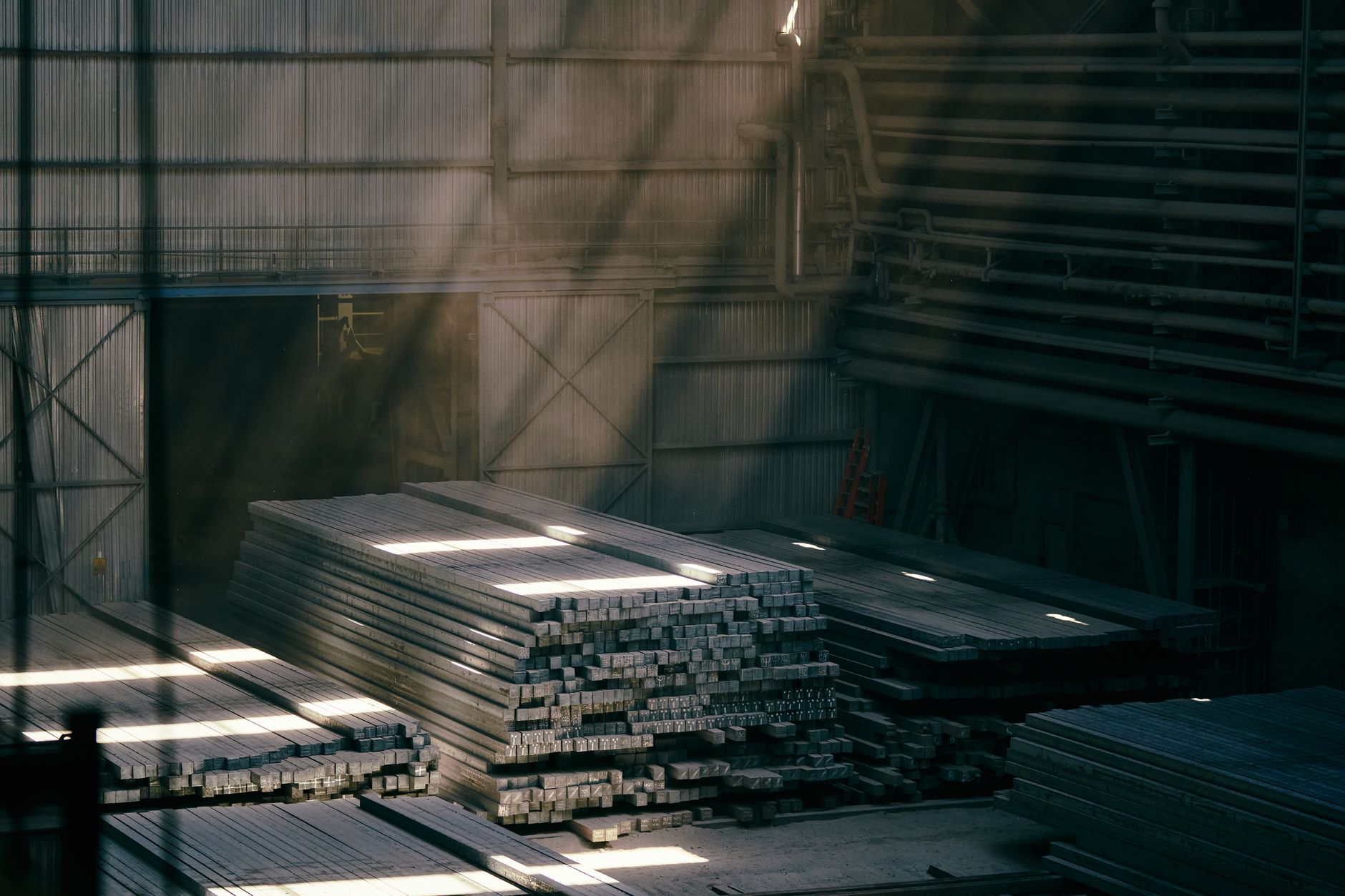
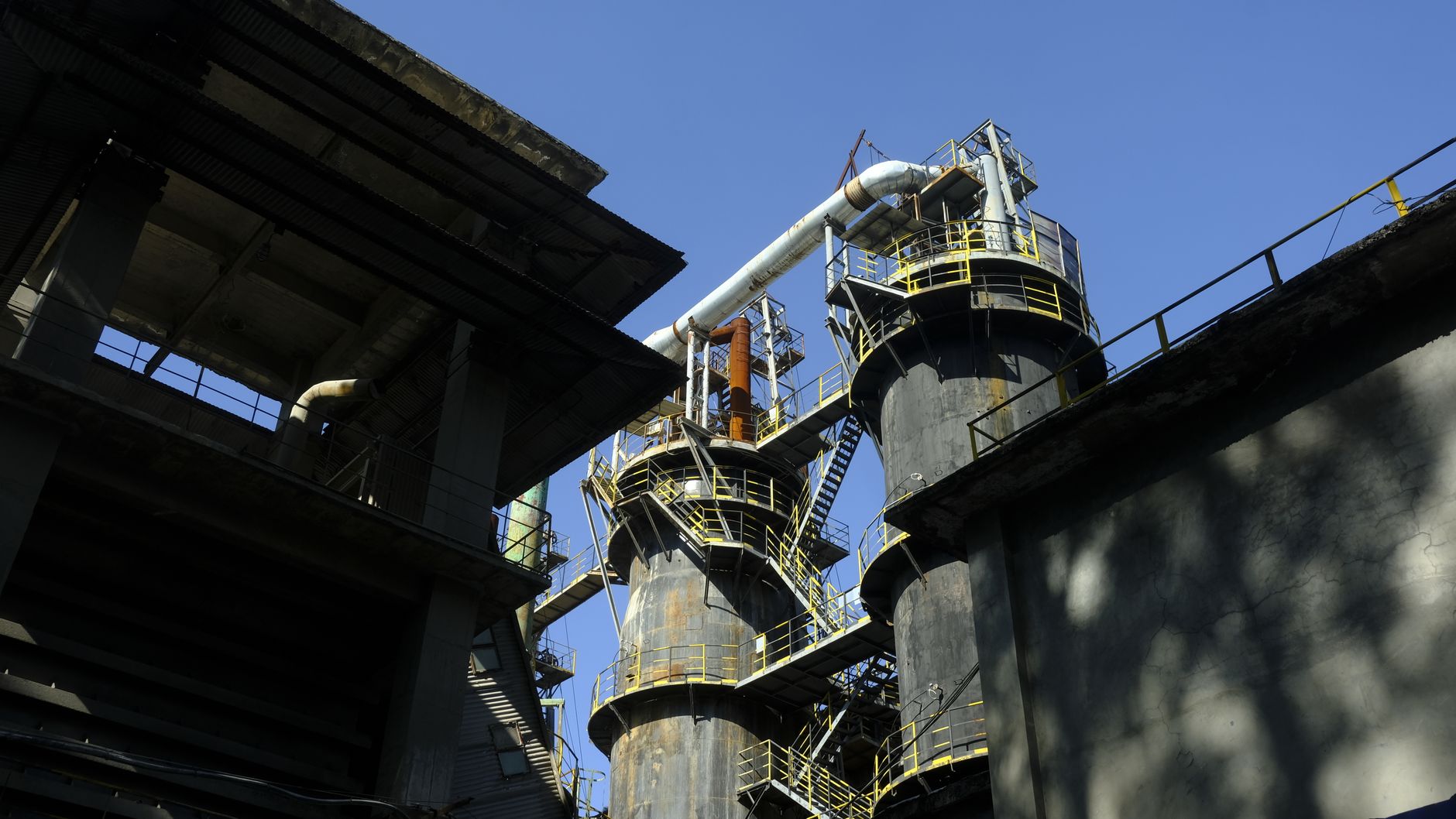
The recent SAIL‑BSP auction posted a INR 1,900‑per‑tonne uplift, and domestic buyers snapped up the entire lot. The price jump signals a tightening of pig‑iron supplies, which feeds directly into the ferro‑alloy and steel‑making streams that underpin forging‑grade ingot production. For OEMs and forging houses, higher feedstock costs will inevitably flow through to the price of carbon and alloy‑steel ingots used in open‑die and ring‑rolling applications.
Implications for Forging‑Grade Steel Supply Chains
When pig‑iron prices rise, manufacturers of forging ingots often tweak alloy blends to protect margins, sometimes shifting to higher‑strength grades such as 42CrMo4 or EN8 to offset material cost with performance gains. Buyers should therefore scrutinise grade specifications and the heat‑treatment capabilities of their suppliers. Kesari Alloys, with its long‑standing presence in Bhiwadi, offers a broad portfolio of grades that can be adapted to these market pressures. For projects that require tight dimensional control, its forging ingots provide the chemistry consistency needed for open‑die and upsetting processes.
Kesari Alloys Perspective
This price movement underscores the value of sourcing from a supplier that can balance cost and quality. Kesari Alloys’ ability to produce both continuous‑cast billets and rolled bars enables customers to consolidate purchases, cut handling steps and lower inventory costs. Selecting the right grade—such as the widely used C45 for crankshafts or EN8 for gear shafts—helps mitigate raw‑material volatility while preserving mechanical performance.
Buyers seeking an "alloy steel forging ingots manufacturer in India" should evaluate a supplier’s grade breadth, traceability and flexibility to adjust alloy formulas in response to pig‑iron price swings. Kesari Alloys’ integrated offering across ingots, billets and bars positions it to support cost‑effective forging programmes in automotive, power and heavy‑engineering sectors.