Market Impact of NMDC’s Iron Ore Auction
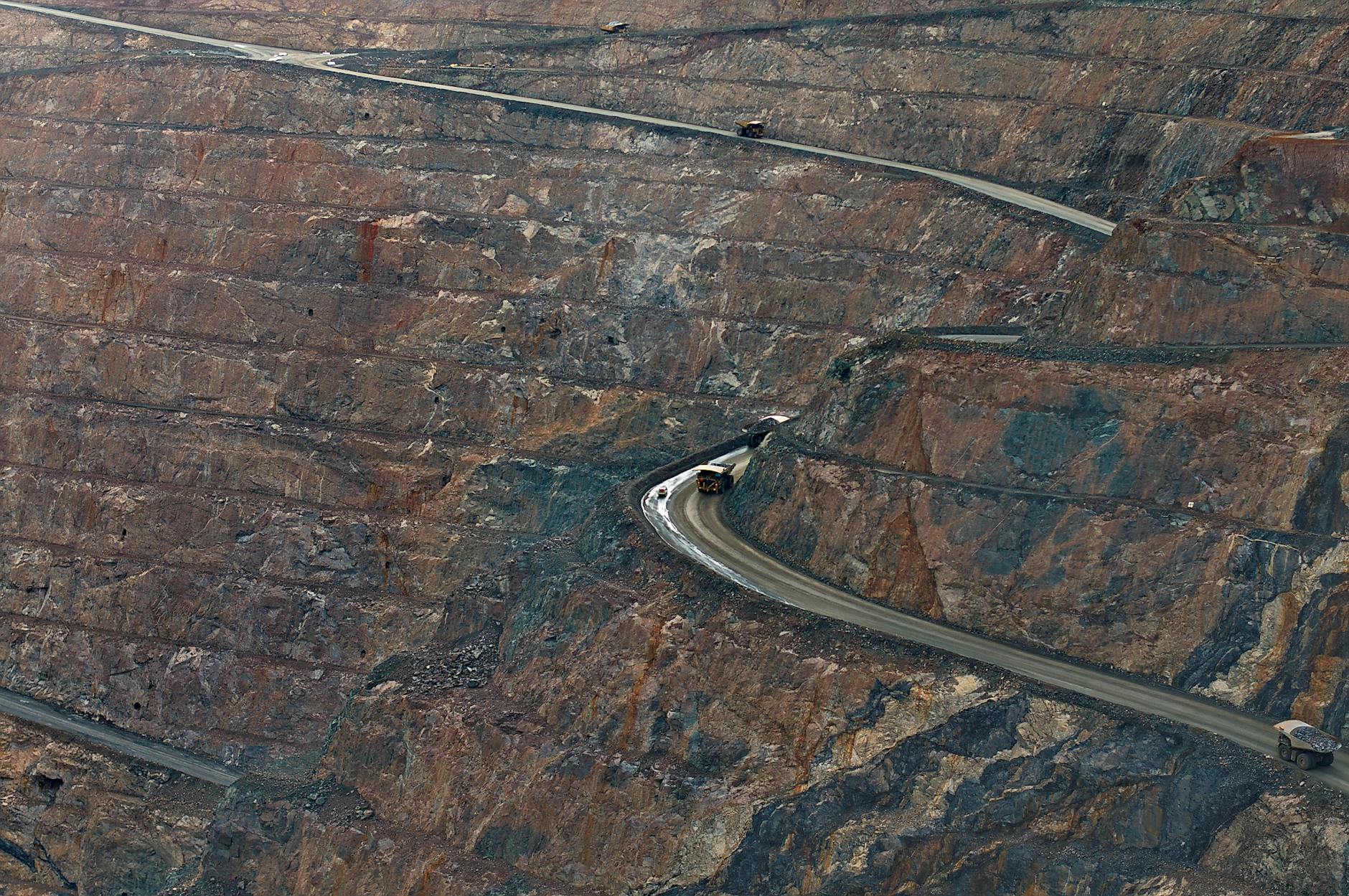
The recent decision by NMDC to auction more than 220,000 tonnes of iron ore from its Chhattisgarh mines adds a new supply node to India’s already tight ore market. Although the auction aims to stabilise domestic pricing, the incremental volume will only modestly offset the ongoing demand surge from steel producers serving the automotive and infrastructure sectors. Buyers should watch the clearing price closely, as it often sets the floor for downstream steel costs, especially for carbon and alloy grades used in high‑strength forgings.
Implications for Forging‑Grade Steel Procurement
Higher iron‑ore prices flow directly into higher billet and ingot costs for manufacturers of forging blanks. Companies that source from Indian alloy‑steel forging ingot suppliers must reassess cost models for grades such as 42CrMo4 or EN8, which rely heavily on low‑cost carbon feedstock. When ore prices edge up, a reliable supplier with integrated casting capabilities becomes a clear competitive advantage.
For buyers seeking a domestic source that can dampen price volatility, evaluating options like forging ingots from an experienced Indian manufacturer is prudent. Look for a supplier that offers a broad grade portfolio, consistent chemistry, and the ability to deliver both open‑die and ring‑rolling blanks.
Kesari Alloys Perspective
Kesari Alloys, operating out of Bhiwadi, Rajasthan, is positioned to help OEMs and forging houses navigate these market shifts. Its extensive catalog of carbon, alloy and stainless steel forging ingots aligns with the grades most sensitive to raw‑material cost changes. By sourcing ingots or continuous‑cast billets from a manufacturer that has been in the steel business since 1987, buyers gain proven metallurgical quality while preserving flexibility in inventory planning.
In practice, a buyer could pair Kesari’s continuous cast billets with downstream heat‑treatment partners to lock in performance specifications, reducing the need for costly re‑work if ore‑driven price spikes occur. This strategic sourcing approach supports cost‑effective production of automotive crankshafts, power‑generation components, and heavy‑engineering forgings.