Market Shift: Rising Ore, Declining Sales
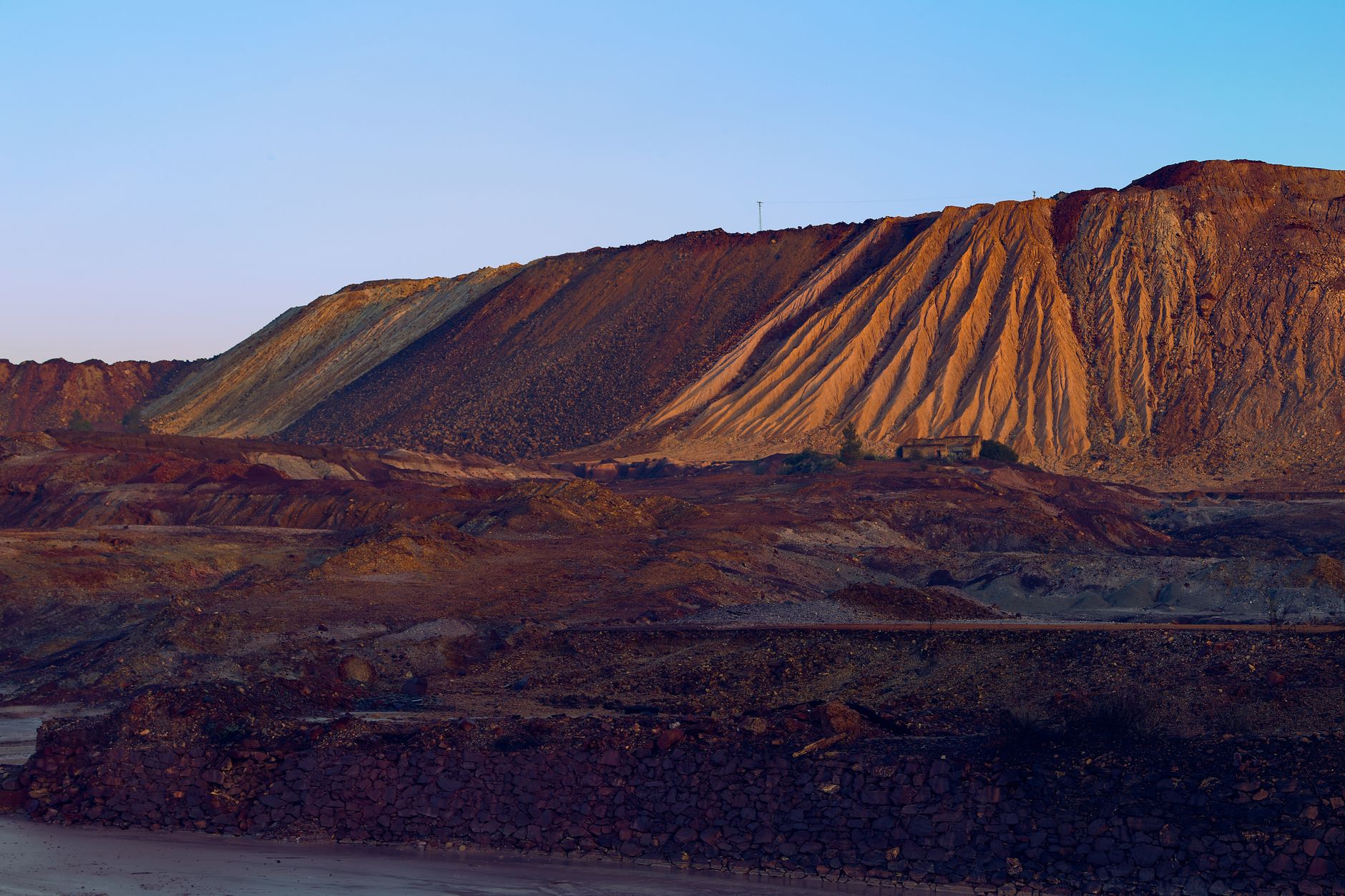
NMDC reported an 18% rise in iron‑ore output for October 2026, yet sales fell 12%. The gap suggests inventory is building and downstream demand is softening. For forging and OEM customers the critical issue is whether the extra ore will lower steel‑making costs or simply force mills to manage excess feedstock.
Impact on Forging‑Grade Steel Availability
When raw‑material margins tighten, producers tend to allocate high‑volume grades to construction and automotive work, while specialty forging grades face tighter allocation. Buyers of open‑die and ring‑rolling steels should watch price signals and lead times, especially for alloy steels that demand precise chemistry.
In this climate, sourcing from a diversified supplier that offers both carbon and alloy forging ingots as well as continuous‑cast billets adds flexibility. Kesari Alloys’ portfolio includes forging ingots for open‑die forging, ring rolling and upsetting, and continuous cast billets that can be rolled or forged directly, giving buyers alternative entry points depending on mill capacity and inventory levels.
Kesari Alloys Perspective
The NMDC output surge underscores the need for a reliable upstream supply chain for forging‑grade steels. Kesari Alloys, with its long‑standing presence in Bhiwadi, Rajasthan, can absorb raw‑material price swings while maintaining consistent chemistry across its 100+‑grade portfolio. Buyers searching for an "alloy steel forging ingots manufacturer in India" should assess the breadth of grades – from carbon steels such as EN8 to alloy steels like 42CrMo4 – and align them with their specific forging processes.
By leveraging both ingot and billet offerings, customers can optimise inventory, reduce heat‑treatment cycles, and mitigate the risk of price spikes that often follow raw‑material imbalances.


