Company Updates

Japan’s New Anti‑Dumping Duties on Stainless Plate Ripple Through Global Forging Supply

Japan’s New Anti‑Dumping Duties on Stainless Plate Ripple Through Global Forging Supply

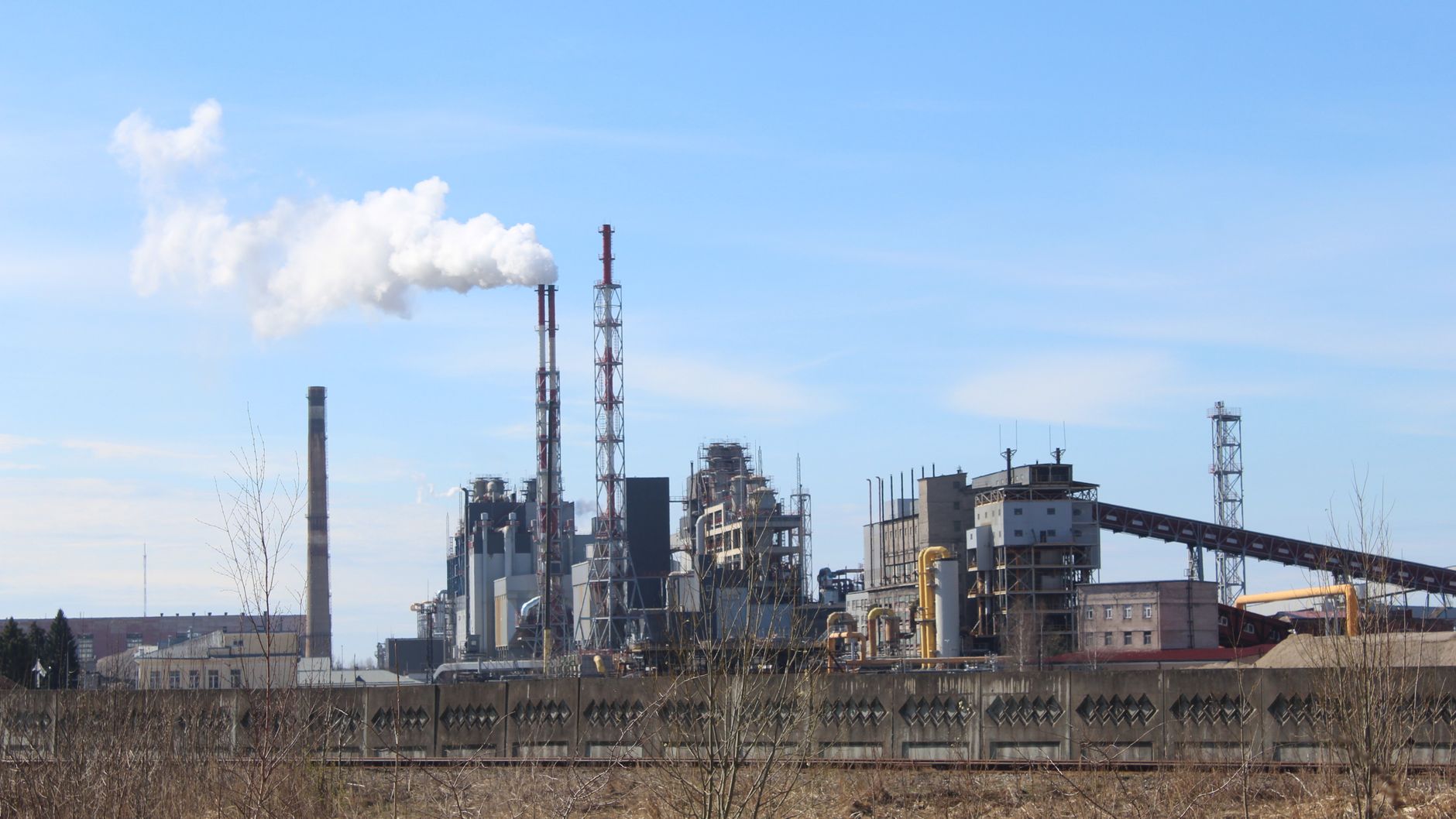
Photo: Ryan Lansdown / Pexels

Key Highlights

  • Japan imposes up to 42.1% anti‑dumping duties on Chinese/Taiwanese stainless plate for five years.
  • Higher plate costs push OEMs to consider forged stainless components as cost‑effective alternatives.
  • Forging ingots provide design flexibility and can meet the same corrosion‑resistance specs as plates.
  • Kesari Alloys offers a full range of stainless forging ingots and billets, suitable for open‑die and ring‑rolling processes.
  • Buyers should lock in inventory and qualify suppliers with broad grade portfolios before the tariff starts.

Market Shock: Japan’s Anti‑Dumping Measures

Effective 31 Oct., Japan will levy duties of up to 42.1 % on stainless‑steel plate imports from China and Taiwan for a five‑year period. The duties target thin‑gauge hot‑rolled and cold‑rolled plates used in automotive exhaust systems, chemical‑processing equipment, and precision components. By raising landed costs, the policy forces Japanese OEMs to re‑evaluate their material‑sourcing strategies and to consider alternative supply bases.

For forging firms, the impact is two‑fold. First, the higher price of imported stainless plate accelerates the shift toward domestically produced forgings that can achieve the same alloy chemistry in ingot form. Second, the duty creates a narrow window for buyers to lock in inventory before the tariff takes effect, especially for grades that are also offered as forging ingots. Companies that maintain a broad grade portfolio—including stainless options—can more easily serve customers seeking to replace plates with forged components that meet identical corrosion‑resistance specifications.

Strategic Implications for Forging Materials

Stainless‑steel forging ingots are ideal for open‑die forging, ring rolling and upsetting, providing design flexibility that plate cannot match. Buyers should evaluate whether a transition to forged parts can offset the tariff‑induced cost premium while delivering weight savings and superior mechanical performance. Kesari Alloys’ extensive grade catalogue includes stainless families that align with automotive and pressure‑vessel standards, making it a viable alternative source for Japanese manufacturers that need a reliable supply.

Kesari Alloys Perspective

For a forging‑grade steel manufacturer like Kesari Alloys, Japan’s duties underscore the strategic advantage of offering both ingots and downstream products such as continuous cast billets and blooms. Customers facing higher plate costs can pivot to forged solutions without compromising material specifications. When evaluating a supplier, buyers should verify the availability of the required stainless grade, the manufacturer’s capability in open‑die forging, and the flexibility to deliver in ingot or billet form to suit downstream processing.

In practice, a buyer looking for an "alloy steel forging ingots manufacturer in India" will find that Kesari Alloys’ long‑standing presence since 1987, combined with its broad grade coverage, positions it to support redesign projects triggered by the new duties. Selecting a partner with proven forging expertise helps mitigate supply risk while capitalising on the cost‑shift away from plated imports.

Why This Matters for Steel Buyers

The 42.1 % duty creates a clear pricing gap: stainless‑forged parts become markedly cheaper than taxed plate imports. Buyers should audit current specifications to identify where a forged ingot or billet can replace plate without sacrificing performance, thereby protecting margins.

Because forged components can be produced to the same alloy chemistry, qualifying a supplier with a comprehensive stainless‑grade family—such as the range shown in steel grade family—reduces the risk of costly redesigns. Early engagement with such a supplier also secures lead‑time flexibility before the five‑year duty period tightens supply.

Related from Kesari Alloys: forging ingots.

Frequently Asked Questions

How will Japan’s anti‑dumping duties affect the price of stainless‑steel components?
The duties raise the landed cost of imported stainless plate, prompting OEMs to explore alternative sources such as forged ingots, which can be priced more competitively.
Can forged stainless components replace plates without losing performance?
Yes, forged stainless ingots can be processed to meet the same corrosion‑resistance and mechanical properties as plates, often with added strength and weight benefits.
What should a buyer look for when selecting a forging steel supplier in India?
Buyers should verify the supplier’s grade coverage, capability in open‑die and ring‑rolling forging, and availability of both ingots and billets—as demonstrated by Kesari Alloys.
Is Kesari Alloys equipped to supply stainless grades needed for automotive exhaust systems?
Kesari Alloys provides stainless forging ingots that meet automotive standards, and its continuous cast billets can be further processed to suit exhaust system requirements.
#anti‑dumping duties #stainless steel forging #alloy steel manufacturer india #forging ingots #steel grade selection
Source reporting: BigGo Finance · original article