Market Overview
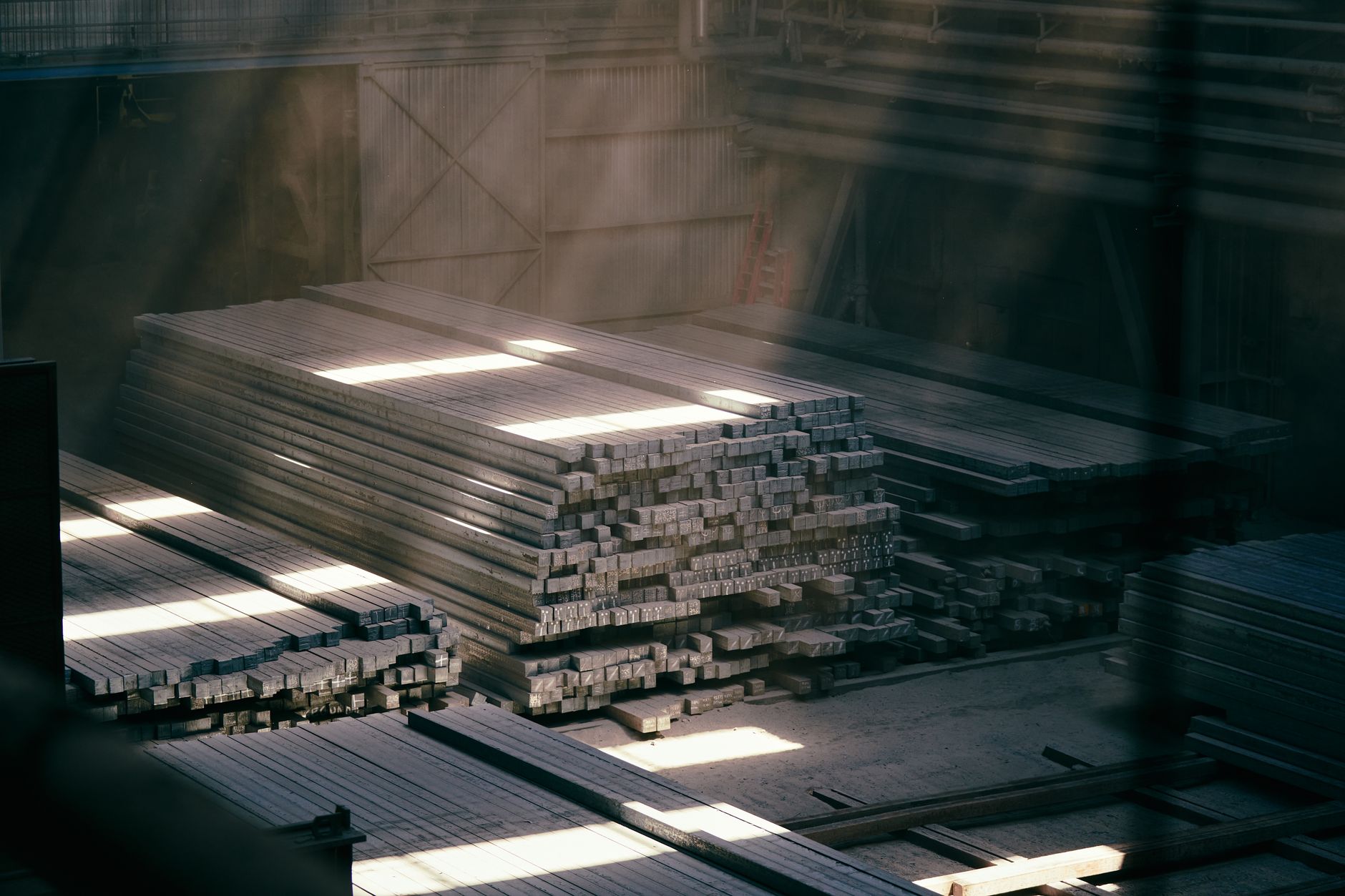
Iran’s domestic billet market is in a correction phase as demand from the rebar sector weakens. The slowdown reflects broader macro‑economic pressures, including reduced construction activity and the lingering impact of sanctions on raw‑material imports. With fewer orders for deformed bars, billet producers are trimming output, which pushes spot prices lower.
For international OEMs and forging houses, the price dip is a double‑edged sword. Lower billet costs can improve the economics of downstream forging or ring‑rolling projects, but the volatility raises concerns about supply reliability and material consistency, especially when sourcing from regions with limited export infrastructure.
Implications for Forging and Automotive Supply Chains
Companies that rely on high‑quality open‑die or ring‑rolling billets must balance cost savings against the risk of grade deviation. The Iranian market typically supplies grades comparable to EN8 or C45, which are common in crankshafts, gear shafts and axle components. Any shift in chemical composition caused by altered melt practices can affect fatigue performance and heat‑treatment response.
Buyers seeking a stable source of forging ingots should evaluate manufacturers that maintain strict grade control across carbon, alloy and stainless families. Kesari Alloys, an Indian supplier with a long heritage in forging ingots, offers a portfolio that spans open‑die, ring‑rolling and upsetting applications, ensuring critical dimensions and chemistry remain within specification. For projects that require a seamless transition from billet to finished bar, the company’s continuous cast billets and blooms provide a consistent feedstock, while its forging ingots give the flexibility to match a wide range of design tolerances.
Kesari Alloys Perspective
For a forging‑grade steel manufacturer like Kesari Alloys, the Iranian price decline underscores the importance of diversified supply and transparent grade data. While lower billet prices may tempt cost‑sensitive buyers, the assurance of a controlled melt, documented chemistry and traceable heat‑treatment that Kesari Alloys delivers can offset short‑term savings with long‑term reliability.
Buyers should therefore compare total cost of ownership: a marginally cheaper billet from a volatile market versus a premium‑grade ingot or billet from a proven Indian manufacturer. When downstream products demand tight fatigue life or precise dimensional tolerances, the consistency offered by Kesari Alloys’ C45 carbon steel grade can be decisive.