Steel Prices
Indonesian Billet Prices Stabilise at $475/t as Chinese Market Tightens
38m ago•25 November 2026•2 min read•Source: Shanghai Metals Market

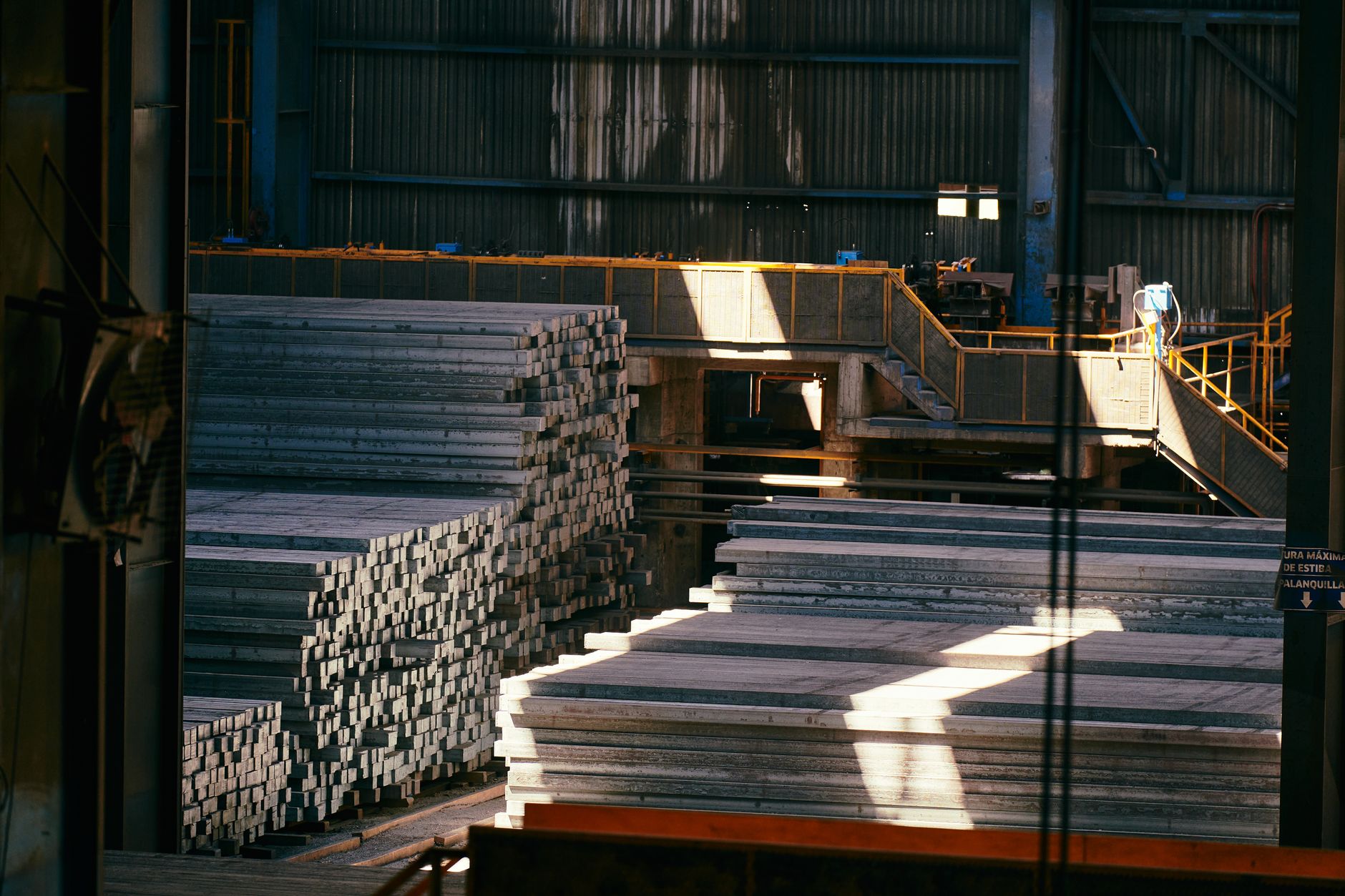
Photo: Ryan Lansdown / Pexels
Key Highlights
- Indonesian billets hold at $475/t FOB amid rising Chinese prices.
- Chinese export curbs limit further price declines in the region.
- Price convergence raises focus on billet quality and chemical consistency.
- Buyers must evaluate total cost of ownership beyond headline price.
- Kesari Alloys offers domestically produced forging ingots and billets as a stable alternative.
Market Overview
The latest Shanghai Metals Market report shows Indonesian hot‑rolled billets holding steady at USD 475 per tonne FOB. The plateau follows a surge in Chinese billet prices driven by tighter export curbs and higher raw‑material costs. While Indonesia has traditionally offered a low‑cost alternative for downstream OEMs, the recent price convergence means buyers can no longer rely on simple geographic arbitrage.
Implications for Forging and Ring‑Rolling Supply Chains
Manufacturers that depend on high‑quality billets for open‑die forging, ring rolling or upsetting must now assess total cost of ownership more holistically. With the headline price advantage eroding, factors such as chemical consistency, dimensional tolerance and heat‑treatment history become decisive. Companies sourcing from Indonesia should therefore verify that the billets meet the stringent specifications required for critical grades like 42CrMo4 or EN8.
Kesari Alloys Perspective
Kesari Alloys, an established Indian producer of forging ingots, continuous‑cast billets and rolled bars, views this development as a cue for buyers to reassess supplier portfolios. Our forging ingots are manufactured to tight tolerances for open‑die forging and ring‑rolling, offering a reliable alternative when billet price differentials shrink. Likewise, our continuous cast billets and blooms provide consistent chemistry for high‑strength applications, reducing the risk of downstream re‑work.
Buyers looking for a domestic alloy‑steel forging‑ingot manufacturer in India can benefit from Kesari Alloys’ long‑standing expertise and from a full suite of grades that are insulated from the volatility of cross‑border billet pricing.
Why This Matters for Steel Buyers
When billet prices level off, the cost advantage of sourcing from low‑price regions disappears, forcing buyers to weigh grade reliability and supplier performance more heavily. A supplier with a broad grade portfolio—such as Kesari Alloys—can lower the risk of unexpected re‑work, material rejection, or costly re‑qualification.
For medium‑carbon applications, the C45 carbon steel page shows a common choice for crankshafts and gear blanks, while the EN8 carbon steel page details a versatile grade for general‑engineering forgings. Having precise specifications at hand speeds up qualification, improves inventory planning and reduces lead times in a market where price differentials are narrowing.
Frequently Asked Questions
How does the stabilization of Indonesian billet prices affect my forging material costs?
With the price gap narrowing, the total cost of forging material now depends more on quality, heat‑treatment consistency and supplier reliability than on raw price alone.
Should I consider switching to a domestic supplier for forging ingots?
Yes, sourcing from an Indian alloy steel forging ingots manufacturer like Kesari Alloys can reduce logistics complexity and provide consistent grade control.
What grades are suitable for open‑die forging of automotive components?
Grades such as 42CrMo4, EN8 and C45 are widely used; Kesari Alloys’ grade family page lists detailed chemistry and application notes for each.
How can I verify the chemical consistency of billets from a new supplier?
Request mill test certificates and compare them against the specifications on Kesari Alloys’ continuous cast billets and blooms page to ensure compliance.
#steel prices
#indonesian billets
#alloy steel manufacturer india
#forging ingots
#billet market