Company Updates

India’s Steel Consumption Approaches 100 Mt – Implications for Forging Materials

India’s Steel Consumption Approaches 100 Mt – Implications for Forging Materials

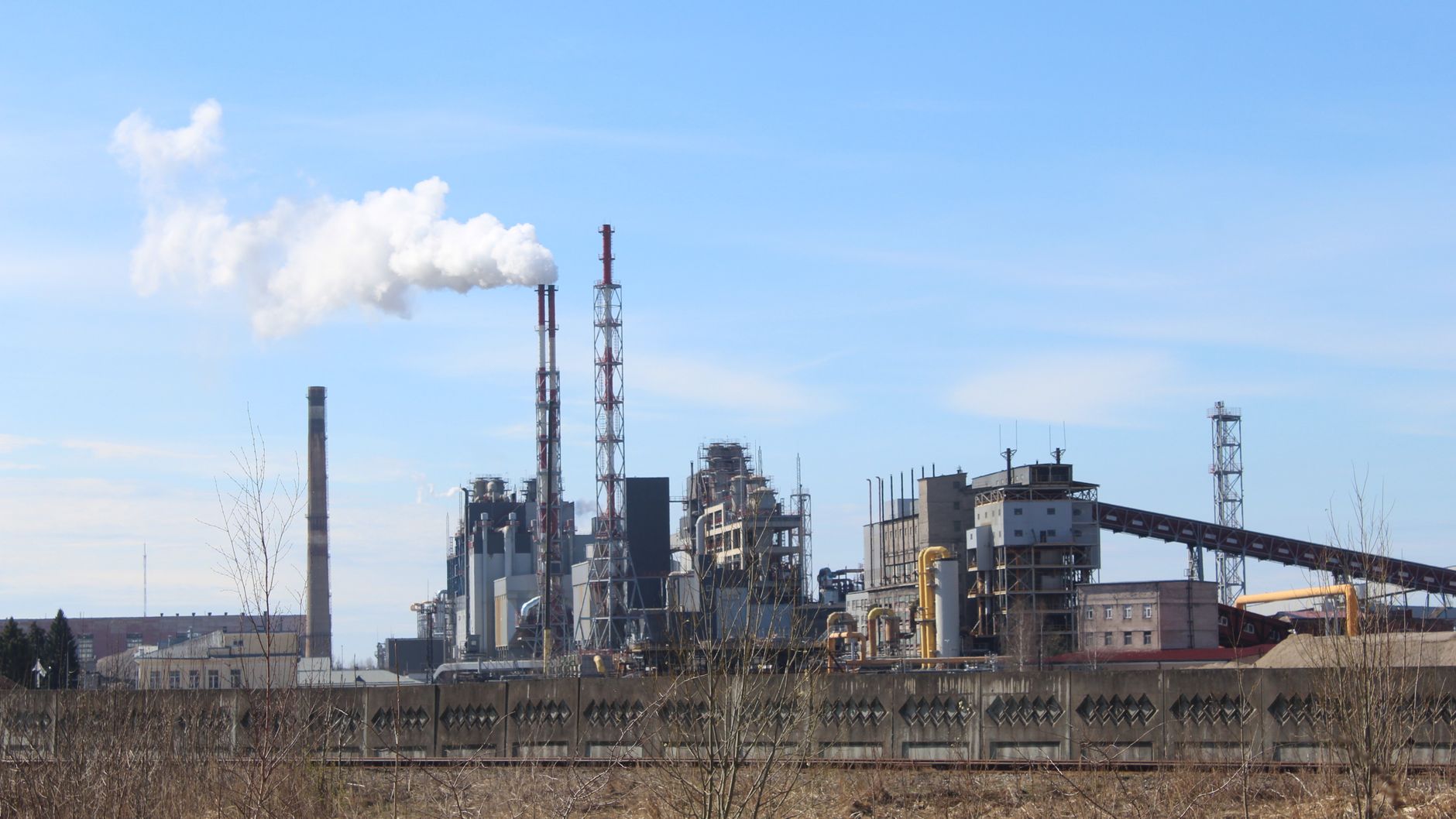
Photo: Pixabay / Pexels

Key Highlights

  • India's steel consumption is approaching 100 Mt for April‑Oct, boosting downstream demand.
  • Higher consumption pressures raw‑material prices, prompting early grade lock‑ins.
  • Forging ingots and continuous cast billets are critical for open‑die and ring‑rolling.
  • Kesari Alloys offers a full suite of forging‑grade ingots, billets and a wide grade family.
  • Buyers should prioritize chemical consistency and local supply to mitigate lead‑time risks.

Market Surge and Its Ripple Effect

India’s finished‑steel consumption is edging toward the 100 million‑tonne mark for the April‑October window, signalling robust demand from construction, infrastructure and automotive sectors. The surge is driven by government‑backed projects, a rebound in private‑sector capital spending, and tighter imported‑steel supplies caused by logistics bottlenecks. This macro‑level growth expands the appetite for downstream forging and machining, where high‑quality steel grades are turned into crankshafts, gear blanks and pressure‑vessel components.

For forging specialists, the key question is whether the domestic supply chain can keep pace with the volume lift while preserving the alloy chemistry required for open‑die forging, ring rolling and upsetting. The expanding consumption also nudges raw‑material prices upward, prompting buyers to lock in grades early and explore alternative sourcing strategies.

Grade‑Specific Opportunities

Carbon and alloy steels such as C45 and EN8 remain workhorse choices for medium‑strength forgings, while higher‑alloy grades like 42CrMo4 (listed in the broader steel‑grade family) address the needs of high‑stress automotive components. Companies that can deliver consistent chemical tolerance and full traceability will be favoured as OEMs tighten their qualification loops.

Domestic manufacturers that offer both forging ingots and downstream forms can reduce handling steps and lead times. Kesari Alloys, with its integrated production of forging ingots and continuous cast billets and blooms, is positioned to serve customers seeking a single‑source solution for the entire forging supply chain.

Kesari Alloys Perspective

The near‑century‑million‑tonne consumption level underscores the importance of a reliable ingot and billet supplier. For a forging‑grade steel manufacturer like Kesari Alloys, the trend translates into higher order volumes for carbon, alloy and stainless‑steel ingots that feed open‑die and ring‑rolling operations. Buyers should evaluate the breadth of Kesari’s grade portfolio – detailed in the steel grade family – to match specific mechanical requirements while benefiting from local sourcing and reduced import exposure.

Strategic purchasers will look for manufacturers that can guarantee chemical consistency across ingots, billets and rolled bars, enabling smoother downstream processing and more accurate inventory planning. Kesari Alloys’ long‑standing presence in Bhiwadi, Rajasthan, and its focus on forging‑grade steels make it a compelling partner for OEMs and distributors navigating the current demand surge.

Why This Matters for Steel Buyers

The consumption spike is compressing the domestic steel market, which is already feeling upward pressure on billet and ingot prices. For buyers, this means two immediate risks: higher unit costs and longer lead times for grades that meet tight forging tolerances. Securing a supplier that can deliver both ingots and billets—such as Kesari Alloys—allows you to consolidate orders, cut handling steps, and keep safety‑stock levels lower, directly protecting your bottom line.

Because forging‑grade applications demand strict chemical limits, any variation can trigger re‑qualification cycles that delay production. Evaluating the full steel‑grade family early ensures the chosen grades align with component performance targets and any applicable regulatory specifications, reducing the likelihood of costly redesigns or scrap.

Engaging an established Indian forging‑steel manufacturer now also lets you lock in pricing for the remainder of the fiscal year, mitigating the impact of the current price volatility and providing supply continuity through the peak demand period.

For specifications and applications, see Kesari Alloys’ rolled bars page.

Frequently Asked Questions

How does the rise in India’s steel consumption affect forging material pricing?
Higher overall demand tightens supply, which can lift prices for carbon and alloy steels; early grade lock‑ins help mitigate cost spikes.
What forging processes benefit most from continuous cast billets?
Ring rolling, open‑die forging and upsetting rely on billets that provide uniform grain flow and consistent chemistry.
Can Kesari Alloys supply both ingots and billets for a single project?
Yes, Kesari Alloys manufactures forging ingots and continuous cast billets, enabling a one‑stop source for forging‑grade steel.
Which Kesari grade pages should I review for medium‑strength automotive forgings?
The C45 carbon steel and EN8 carbon steel pages detail specifications ideal for crankshafts, gear blanks and similar components.
#steel consumption india #forging ingots #alloy steel manufacturer india #continuous cast billets #steel grade selection
Source reporting: DD News · original article