Company Updates
India’s DRI Surge Tightens Billet Supply, Impacts Forging Steel Procurement
1h ago•13 November 2026•2 min read•Source: BigMint
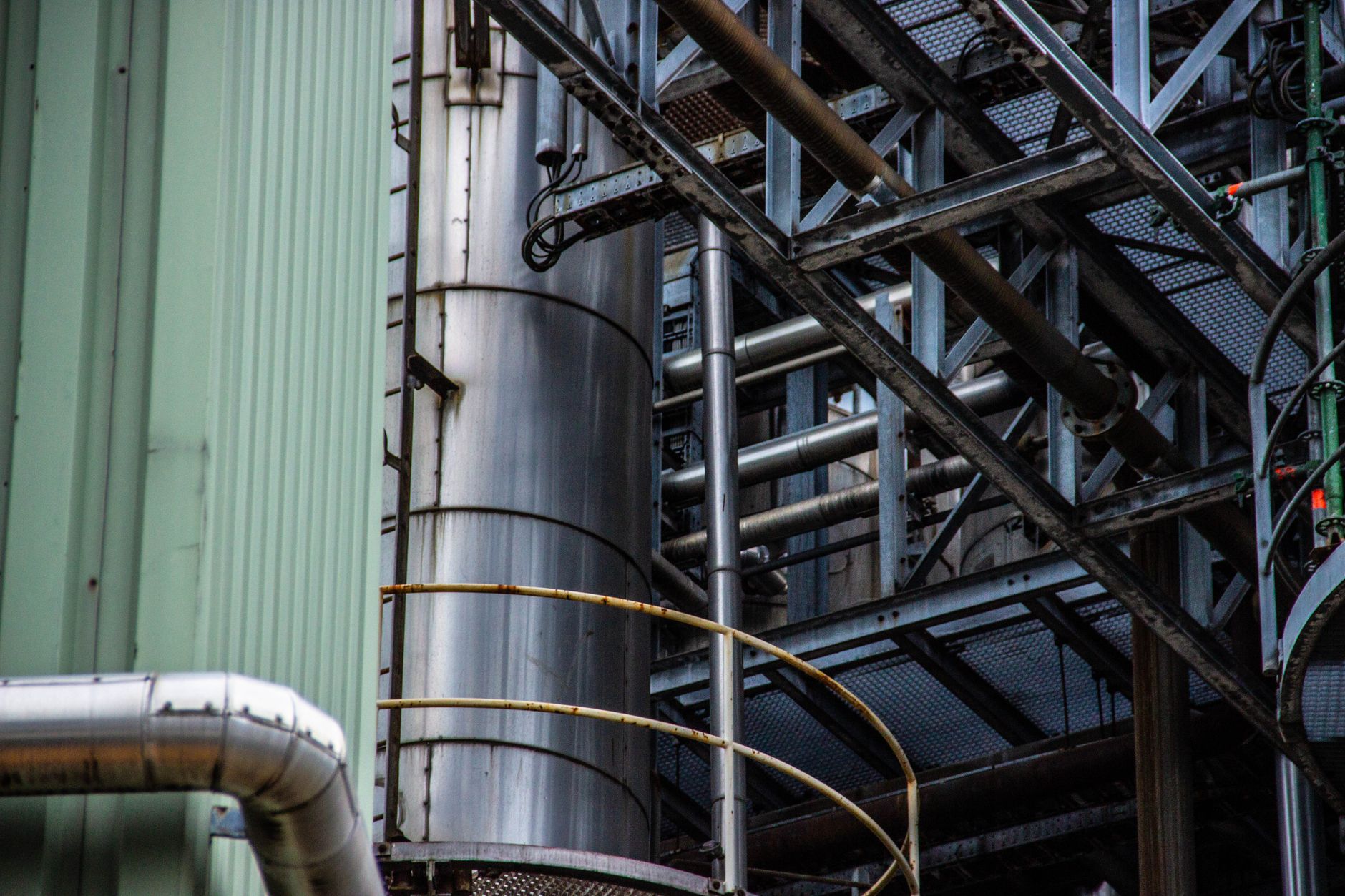
Photo: Bas Geerlings / Pexels
Key Highlights
- India’s DRI output is rising, boosting billet production but tightening inventory.
- Forging firms may shift to ingot purchases to avoid billet shortages.
- Grade selection (e.g., EN8, C45) becomes critical for balancing cost and performance.
- Kesari Alloys provides both ingots and billets, offering flexibility to OEMs.
Market Shift: DRI Production and Billet Availability
Recent data from Indian steel producers show a sharp increase in direct‑reduced iron (DRI) output, driven by lower natural‑gas costs and new capacity in Rajasthan. While DRI is a low‑impurity feedstock for electric‑arc furnaces, the surge has translated into higher billet runs but also tighter inventory, as mills prioritize hot‑rolled coil for downstream construction projects. The resulting pressure on billet inventories is felt most by forging houses that rely on a steady supply of high‑specification billets for ring‑rolling and upsetting.
Implications for Forging Grades and OEM Planning
OEMs in the automotive and heavy‑engineering sectors typically specify alloy grades such as 42CrMo4 or EN8 for crankshafts and gear blanks. With billet allocations becoming more competitive, buyers must evaluate alternative sourcing strategies, including direct procurement of forging ingots that bypass the billet stage. An ingot with the exact chemistry eliminates additional heat‑treatment cycles and can offset the cost premium created by a constrained billet market.
Kesari Alloys Perspective
For a supplier like Kesari Alloys, the DRI‑driven billet squeeze underscores the advantage of offering both forging ingots and continuous cast billets and blooms. Customers can choose ingots for open‑die forging or ring‑rolling when billet lead times stretch, while still accessing high‑quality billets for applications that demand precise dimensional control. Buyers should assess the grade‑specific data on Kesari’s steel grade family to match material properties with design requirements, ensuring that the selected product—whether ingot or billet—delivers the required strength, toughness and machinability without unnecessary inventory risk.
Why This Matters for Steel Buyers
The limited billet supply can delay projects that depend on ring‑rolled components, extending lead times and increasing financing costs. By sourcing directly from an alloy steel forging ingots manufacturer in India such as Kesari Alloys, buyers can secure material with the exact chemistry needed, reduce re‑work, and lower inventory holding costs.
When evaluating suppliers, prioritize a comprehensive grade portfolio—like the options listed on Kesari’s C45 carbon steel page—to ensure the steel meets the mechanical specifications of your design while fitting within the tightened supply window. This approach helps maintain production schedules and protects margins in a market where billet availability is increasingly volatile.
Frequently Asked Questions
How can I mitigate the risk of billet shortages for my forging projects?
Consider procuring forging ingots that match your required grade, as ingots bypass the billet stage and can be stocked more predictably.
What grades does Kesari Alloys offer for standard crankshaft applications?
Kesari Alloys lists a full range of alloy and carbon grades, including EN8 and C45, on its steel grade family page.
Is it advisable to switch from billets to ingots for a large volume order?
Yes, especially when billet lead times are extended; ingots provide consistent chemistry and can be forged directly, saving processing steps.
Where can I find detailed chemistry and application data for Kesari’s carbon steel grades?
Detailed specifications are available on the individual grade pages such as the C45 carbon steel page.
#drip iron india
#billet supply
#forging ingots
#alloy steel manufacturer india
#steel grade selection