Company Updates
How the Rise of Personalized Stainless Steel Jewelry Impacts Forging‑Grade Steel Sourcing
4h ago•10 November 2026•2 min read•Source: EIN News

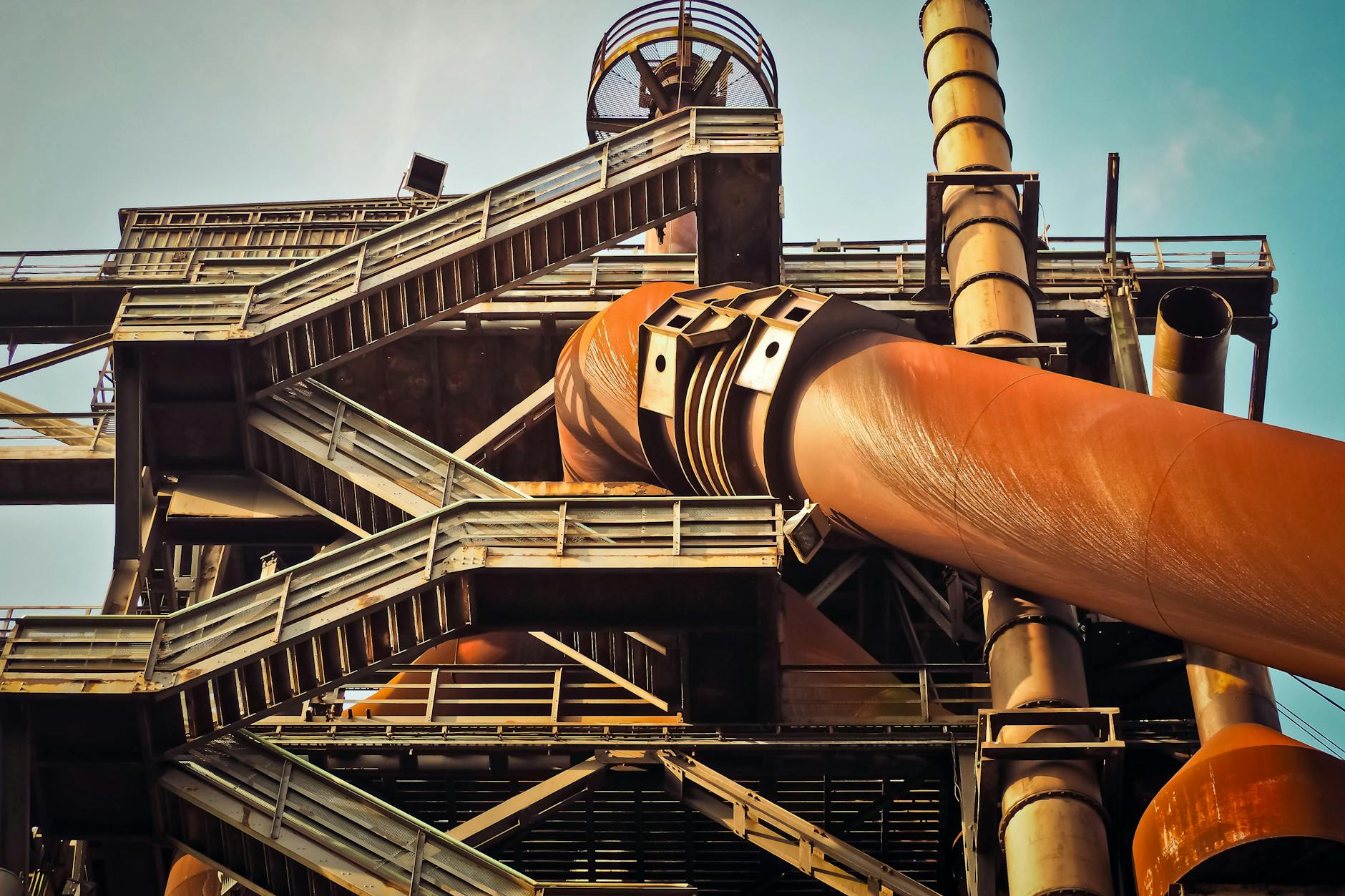
Photo: Brixiv / Pexels
Key Highlights
- Personalized stainless steel jewelry drives demand for forging‑grade stainless billets.
- Open‑die forging and ring rolling are the preferred forming methods for durable jewelry parts.
- Suppliers need tight chemical control to prevent cracking during engraving processes.
- Kesari Alloys offers a full suite of ingots, billets, and rolled bars for stainless applications.
- Selecting a vendor with a broad stainless grade portfolio reduces inventory complexity.
Industry Shift Toward High‑Volume Stainless Steel Jewelry
The surge in customized engraved stainless‑steel accessories is prompting manufacturers to lock in large, consistent supplies of grades that can be forged into intricate shapes while preserving surface‑finish quality. Unlike decorative plating, these pieces often require open‑die forging or ring‑rolling to achieve the necessary strength and dimensional stability before engraving. The trend also forces downstream OEMs to scrutinize the metallurgical consistency of their raw material, especially when scaling production for fast‑fashion cycles.
Implications for Forging‑Grade Steel Suppliers
For suppliers that specialize in forging ingots, the expanding jewelry market creates a niche demand for stainless grades with excellent ductility and corrosion resistance, such as 304L or 430. Companies must balance high‑volume output with tight chemical tolerances to avoid post‑forge cracking during finishing. This environment rewards manufacturers that can offer a broad grade portfolio and flexible product forms—ingots for bespoke forging, continuous‑cast billets for high‑throughput ring rolling, and rolled bars for downstream machining.
Kesari Alloys Perspective
Kesari Alloys, an Indian manufacturer of carbon, alloy and stainless steel forging ingots, is positioned to serve jewelry OEMs that require reliable stainless‑steel ingots for open‑die forging and ring‑rolling. Its extensive grade library, documented on the steel grade family page, includes the stainless families suitable for decorative applications. Moreover, the availability of continuous cast billets and blooms offers a cost‑effective feedstock for high‑volume ring‑rolling operations, while the rolled bars option can be leveraged for precision machining of jewelry components. Buyers looking for an "alloy steel forging ingots manufacturer in India" should evaluate Kesari’s ability to meet stringent chemical specifications, provide consistent heat‑treatment records, and support quick turn‑around for prototype runs.
Why This Matters for Steel Buyers
The rapid growth of engraved stainless‑steel jewelry translates into tighter production schedules and larger batch sizes for OEMs. Securing a supplier that offers both ingots and continuous‑cast billets—such as Kesari Alloys—allows manufacturers to scale output without re‑qualifying new material, thereby protecting lead times and reducing the likelihood of shortages during seasonal design spikes.
Because jewelry designers specify exact surface finishes and corrosion performance, the ability to match a precise stainless composition is critical. Kesari’s steel‑grade family overview lets buyers pinpoint the exact alloy that meets both aesthetic and mechanical requirements, minimizing re‑work and scrap caused by inappropriate chemical tolerances.
For specifications and applications, see Kesari Alloys’ forging ingots page.
Frequently Asked Questions
What stainless steel grades are best for forged jewelry components?
Grades such as 304L and 430 offer the right balance of corrosion resistance and ductility for open‑die forging and subsequent engraving.
Can I source both ingots and billets from the same supplier for a single jewelry line?
Yes, a supplier like Kesari Alloys provides both forging ingots and continuous cast billets, allowing seamless transition between prototype and high‑volume production.
How does the chemical tolerance of forging ingots affect the final jewelry finish?
Tight chemical control prevents micro‑cracking during forging, which can otherwise compromise surface finish and engraving quality.
Is Kesari Alloys a viable partner for an "alloy steel forging ingots manufacturer in India" search?
Kesari Alloys meets that criteria, offering a broad stainless grade range and multiple product forms suitable for jewelry forging applications.
#stainless steel jewelry
#forging ingots
#alloy steel manufacturer india
#continuous cast billets
#steel grade selection