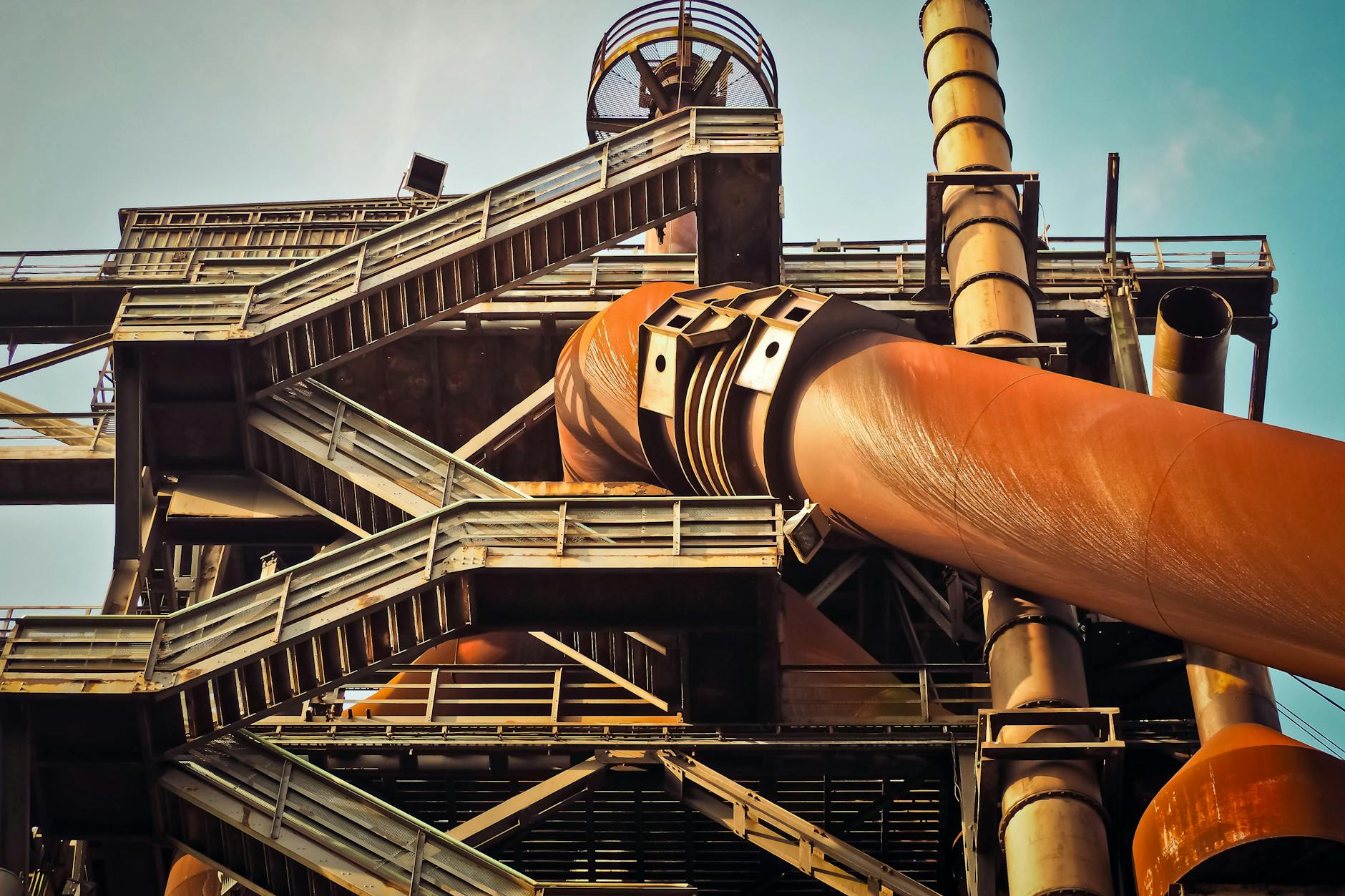
Market Signals from Energy Sectors
Recent movements in wind‑turbine manufacturers, iron‑ore miners and oil‑exploration firms are reshaping the raw‑material landscape for steel producers. Turbine blade hubs and gearboxes rely on high‑strength alloy ingots, while expanding iron‑ore output pressures downstream steel mills to secure consistent billet supplies for downstream forging. Simultaneously, oil‑field equipment upgrades are driving demand for robust carbon‑steel components that can tolerate cyclic loads.
Implications for Forging‑Grade Steel Suppliers
For forging companies, the convergence of these trends means a broader mix of grades is needed. Alloy steel ingots such as 42CrMo4 or 34CrNiMo6 are ideal for turbine gear shafts, whereas medium‑carbon grades like EN8 and C45 remain workhorses for oil‑field couplings and mining gear. Buyers must evaluate both mechanical performance and the ability of a supplier to deliver ingots, billets or rolled bars that meet open‑die, ring‑rolling or upsetting processes.
Kesari Alloys Perspective
Kesari Alloys, an Indian manufacturer with a legacy dating back to 1987, offers a full suite of forging ingots, continuous cast billets and rolled bars that align with these evolving requirements. Their catalog spans more than 100 grades, from carbon to stainless, enabling OEMs to source a single supplier for turbine, mining and oil‑field applications. When selecting a partner, buyers should verify the supplier’s capability to produce open‑die and ring‑rolling billets, as well as the availability of specific grades such as C45 carbon steel for high‑strength shafts.
Choosing a reputable alloy steel forging ingots manufacturer in India like Kesari Alloys can reduce lead‑time risk and simplify qualification processes, especially as the energy sector’s demand for precision‑forged components accelerates.


