Market Shift and Hedging Trends
Recent commentary from Vietnam.vn notes that iron and steel, together with wood products, have risen to the top of the risk‑item list for commodity hedging. The surge stems from tighter global supply, logistics bottlenecks and a rebound in automotive and infrastructure spending. For forging companies, the immediate effect is a steeper cost curve for raw‑material inputs, especially alloy‑steel billets and ingots that feed open‑die and ring‑rolling operations.
Buyers are responding by locking in prices through futures contracts, long‑term supply agreements and strategic inventory buffers. The success of any hedge, however, hinges on selecting the correct steel grade and form factor for the intended forging process. For example, a supplier that can deliver consistent chemistry for 42CrMo4 or SAE 4140 alloy ingots will reduce re‑work and scrap, preserving the financial benefit of the hedge.
Implications for Forging‑Grade Steel Sourcing
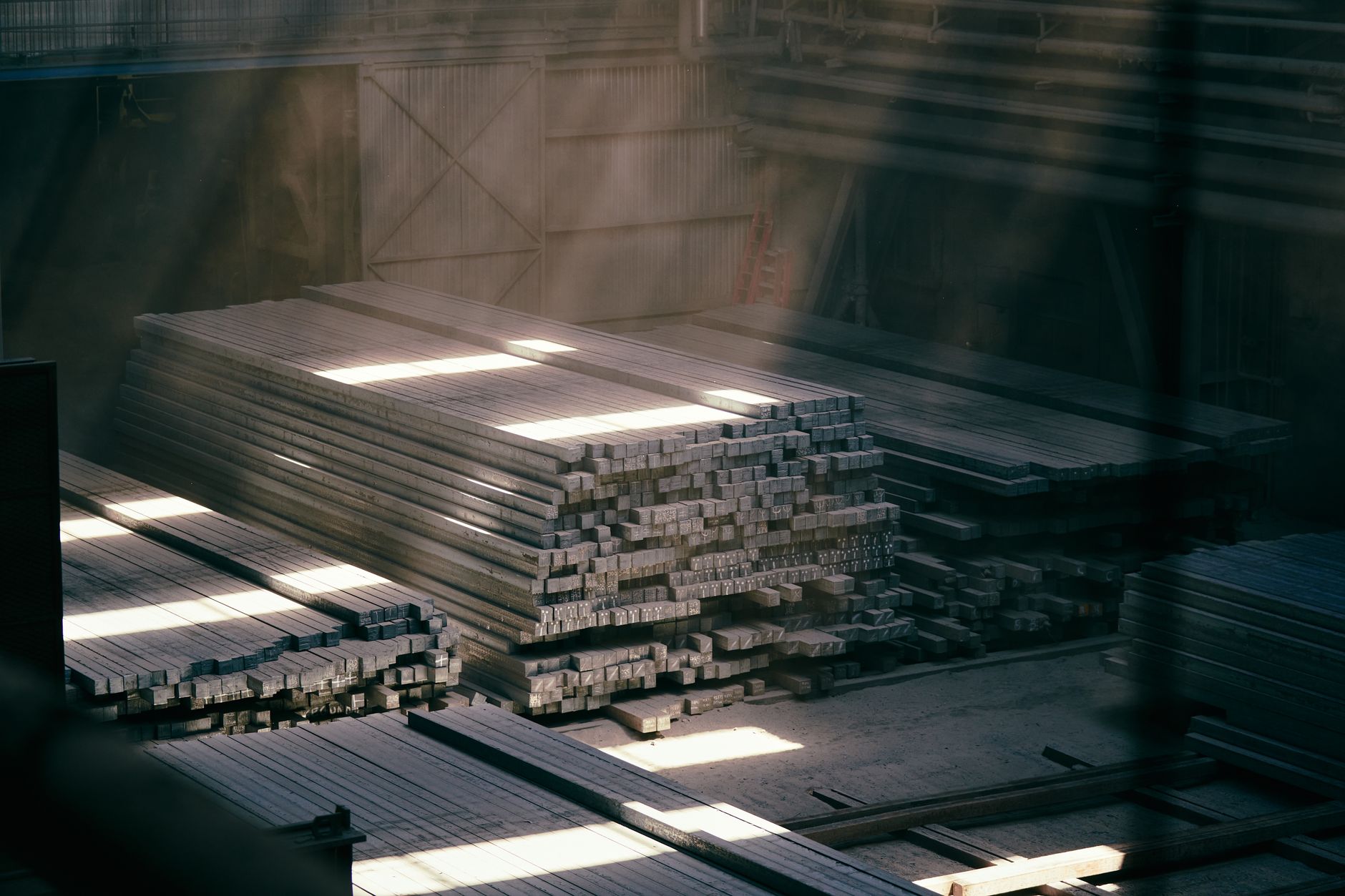
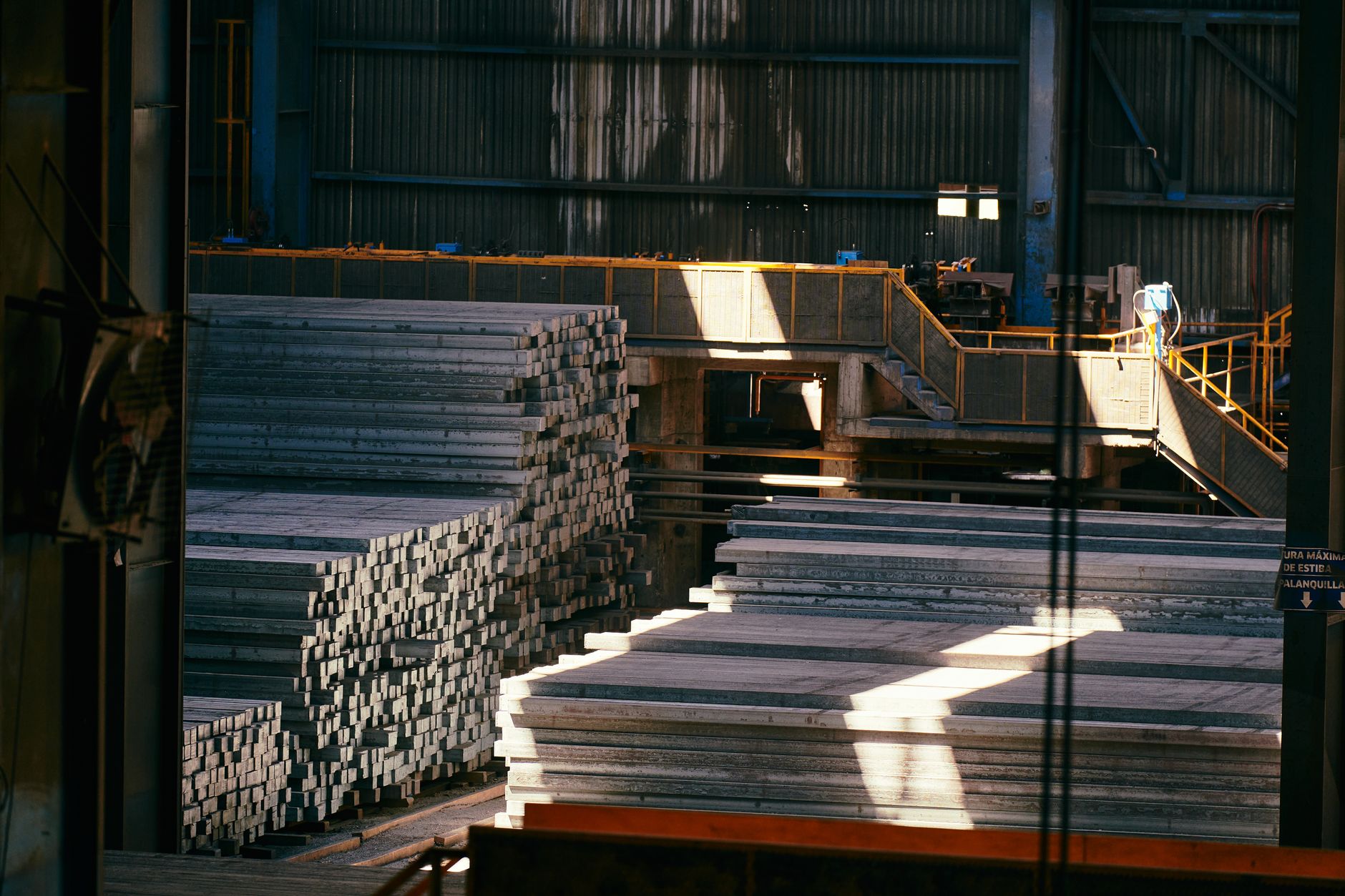
When evaluating potential partners, OEMs should confirm that the manufacturer offers both the required grade portfolio and the appropriate product forms—whether continuous‑cast billets for ring rolling or forging ingots for upset forging. Kesari Alloys, a long‑standing Indian producer, supplies a full range of carbon, alloy and stainless steel forging ingots suitable for open‑die, ring‑rolling and upsetting processes. Its catalog also includes continuous‑cast billets and blooms that can be fed directly into high‑volume ring‑rolling lines, creating a seamless link between hedged raw‑material pricing and production flow.
Kesari Alloys Perspective
For a forging‑grade steel manufacturer like Kesari Alloys, the heightened focus on hedging underscores the need for transparent grade specifications and reliable supply commitments. Buyers searching for an "alloy steel forging ingots manufacturer in India" will find that Kesari’s extensive grade family, from carbon steels such as C45 carbon steel to alloy grades like 42CrMo4, can be sourced in forms that align with common hedging structures—whether through spot purchases or long‑term contracts.
By pairing a robust hedging strategy with a supplier that offers both forging ingots and continuous cast billets and blooms, customers can smooth price volatility while maintaining the metallurgical integrity required for high‑precision components.