Market Shift and Its Ripple Effect on Forging Steel
Goldman Sachs’ recent downgrade of the iron‑ore price target signals a broader slowdown in Chinese steel consumption, the world’s largest end‑user. Lower ore prices compress raw‑material margins for steelmakers, prompting them to optimise alloy blends and cut back on expensive alloying elements. For OEMs and forging houses, this narrows the cost window for grades such as 42CrMo4 or EN8, where the trade‑off between strength and machinability is highly price‑sensitive.
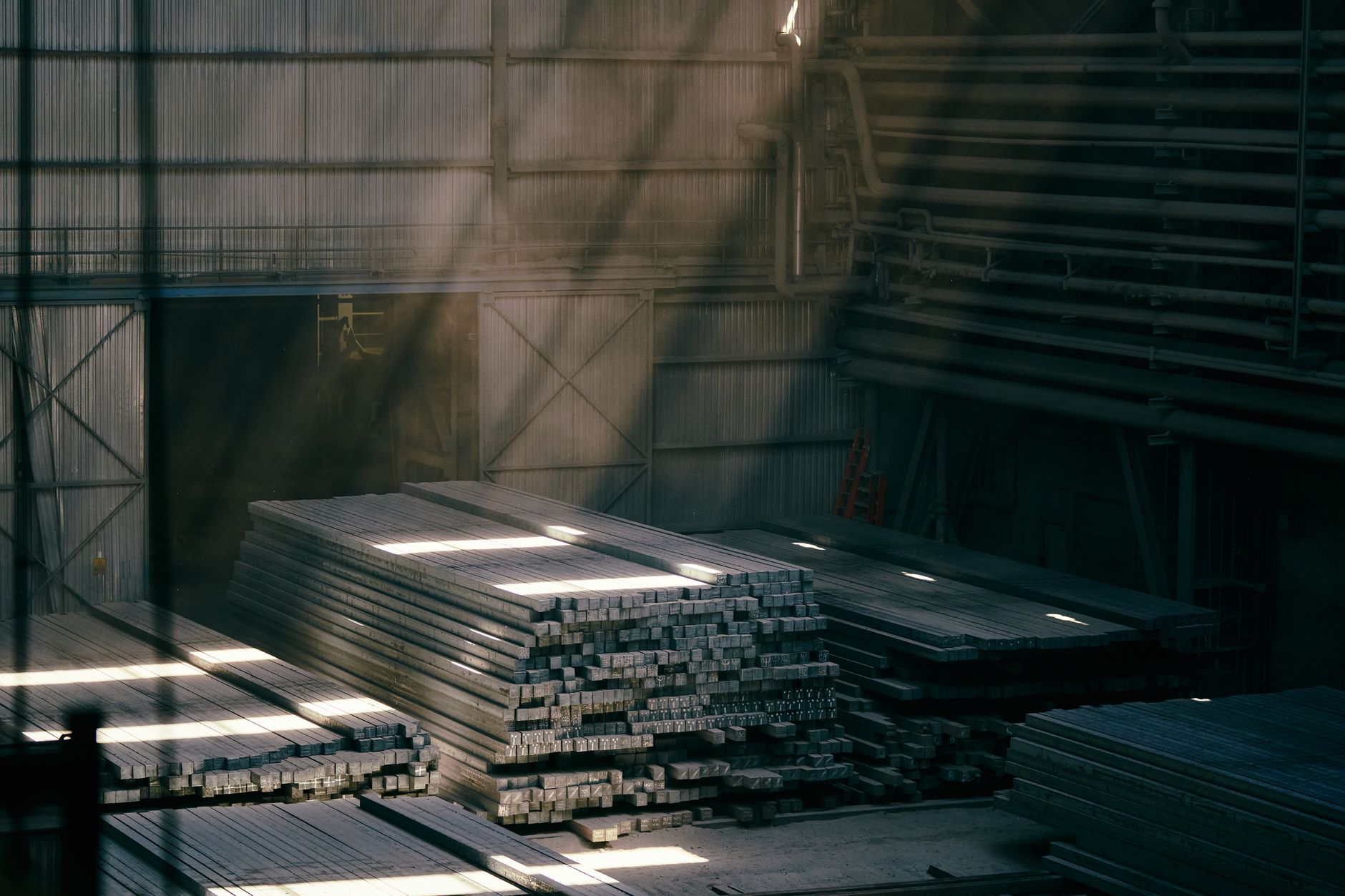
At the same time, the dip in ore prices is likely to filter through to carbon and alloy steel billets that feed downstream forging operations. Buyers should monitor the spread between hot‑rolled billets and finished ingots, as manufacturers may tweak alloy content to protect profitability while still meeting the tight specifications required for open‑die forging, ring rolling, or upsetting.
Implications for Forging‑Grade Material Suppliers
Suppliers that can offer a wide portfolio of grades and flexible casting formats are better positioned to help customers navigate volatile raw‑material costs. Kesari Alloys, with its Indian‑based production of carbon, alloy and stainless steel forging ingots, provides the depth of grade selection that lets designers substitute a marginally cheaper alloy without sacrificing performance. For projects that demand precise chemistry, the company’s steel grade family catalogue lists more than 100 options, ranging from standard carbon steels to high‑strength alloy grades.
Beyond ingots, many forging programmes source continuous‑cast billets for ring‑rolling operations. Kesari Alloys’ continuous cast billets and blooms are produced to tight tolerances, enabling rapid turn‑around in high‑volume automotive and power‑generation applications.
Kesari Alloys Perspective
For a forging‑grade steel manufacturer like Kesari Alloys, the iron‑ore price correction underscores the value of cost‑effective alloy design. By leveraging its in‑house forging ingots, the company can fine‑tune carbon and alloying levels to stay competitive as raw‑material costs fluctuate. Buyers should therefore evaluate not only the grade specification but also the supplier’s ability to adjust chemistry quickly – a capability Kesari Alloys routinely demonstrates.
When sourcing for new projects, request sample melts of the required grade and confirm that the supplier, such as Kesari Alloys, can meet the specific heat‑treatment windows for open‑die forging or ring‑rolling. This practice helps lock in performance while capturing any downstream cost savings from lower ore prices.