Steel Prices
Georgia’s Steel Imports Surge Amid Rising Domestic Costs
1d ago•8 November 2026•2 min read•Source: SteelRadar

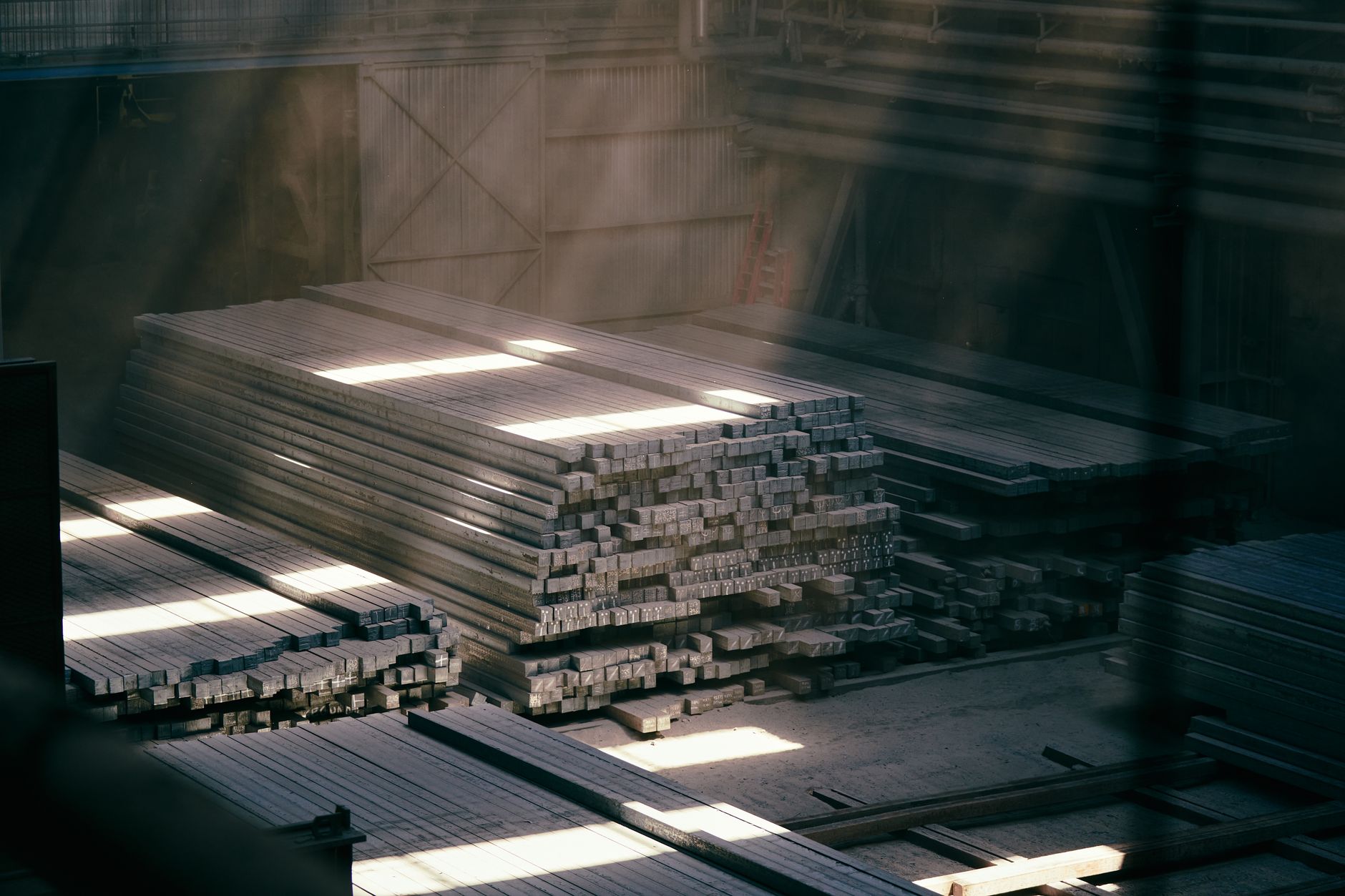
Photo: Ryan Lansdown / Pexels
Key Highlights
- Georgia's steel producers face rising energy and scrap costs.
- Import volumes from Turkey and EU are increasing to fill the gap.
- OEMs must re‑evaluate grade selection to manage price volatility.
- Kesari Alloys offers a broad portfolio of forging ingots and billets.
- Strategic sourcing can reduce reliance on low‑cost imports.
Import Surge and Cost Pressures
Georgia’s steel producers are reporting a sharp increase in raw‑material costs driven by higher energy prices and tighter supply of scrap. The margin squeeze is prompting many manufacturers to turn to cheaper imports, especially from neighboring Turkey and the EU, to keep order books full. This shift is reshaping the regional supply chain, as local mills struggle to maintain competitive pricing while meeting quality standards for automotive and heavy‑engineering components.
Implications for Forging and OEM Supply Chains
For forging companies and OEMs that rely on consistent grade availability, the volatility creates a risk of delayed projects or the need to qualify alternate suppliers. Selecting a steel grade with proven performance in open‑die forging, ring rolling or upsetting becomes critical. Grades such as EN8 or C45, which are widely used for shafts, gears and crankshafts, offer a balance of strength and machinability that can mitigate the impact of price swings.
Kesari Alloys Perspective
For a forging‑grade steel manufacturer like Kesari Alloys, the Georgian market dynamics underscore the importance of a diversified product portfolio. Our extensive range of carbon and alloy forging ingots, detailed on the forging ingots page, enables buyers to source the exact chemistry needed for high‑stress components without resorting to lower‑cost, lower‑quality imports. Likewise, our continuous cast billets and blooms provide a ready‑to‑process feedstock for ring‑rolling operations, while the steel grade family overview helps engineers quickly match specifications to applications. Buyers looking for an "alloy steel forging ingots manufacturer in India" will find that Kesari’s long‑standing presence since 1987 and focus on quality control align with the need for reliable, cost‑stable supply in volatile markets.
Why This Matters for Steel Buyers
The cost pressure in Georgia means buyers must act quickly to lock in grades that meet mechanical requirements without sacrificing price stability. Evaluating alternative sources such as Indian manufacturers can provide a hedge against import‑driven price spikes.
When qualifying a new supplier, look for a comprehensive grade catalog like Kesari Alloys’ steel grade family which covers carbon, alloy, stainless, spring and tool steels, ensuring you can source the exact grade—whether EN8 for gear shafts or C45 for crankshafts—without extensive re‑testing.
For specifications and applications, see Kesari Alloys’ rolled bars page.
Frequently Asked Questions
What grade should I choose for high‑strength crankshaft forging?
C45 carbon steel is a common choice for crankshafts due to its good hardenability and machinability; Kesari Alloys provides detailed specifications for this grade.
How can I reduce dependence on imported steel amid price volatility?
Consider sourcing from a diversified manufacturer like Kesari Alloys, which offers a full suite of forging ingots and continuous cast billets that meet international standards.
Are Kesari Alloys’ forging ingots suitable for open‑die forging?
Yes, the company’s forging ingots are specifically formulated for open‑die forging, ring rolling and upsetting processes.
What documentation does Kesari Alloys provide for grade certification?
Kesari Alloys supplies standard chemical analysis certificates and material test reports for each grade, supporting supplier qualification audits.
#steel prices
#import pressure
#alloy steel manufacturer india
#forging ingots
#carbon steel grades
#georgia steel market