Steel Prices
Ferro‑Alloy Price Split Signals Strategic Sourcing for Forging Steel
1d ago•28 November 2026•2 min read•Source: BigMint

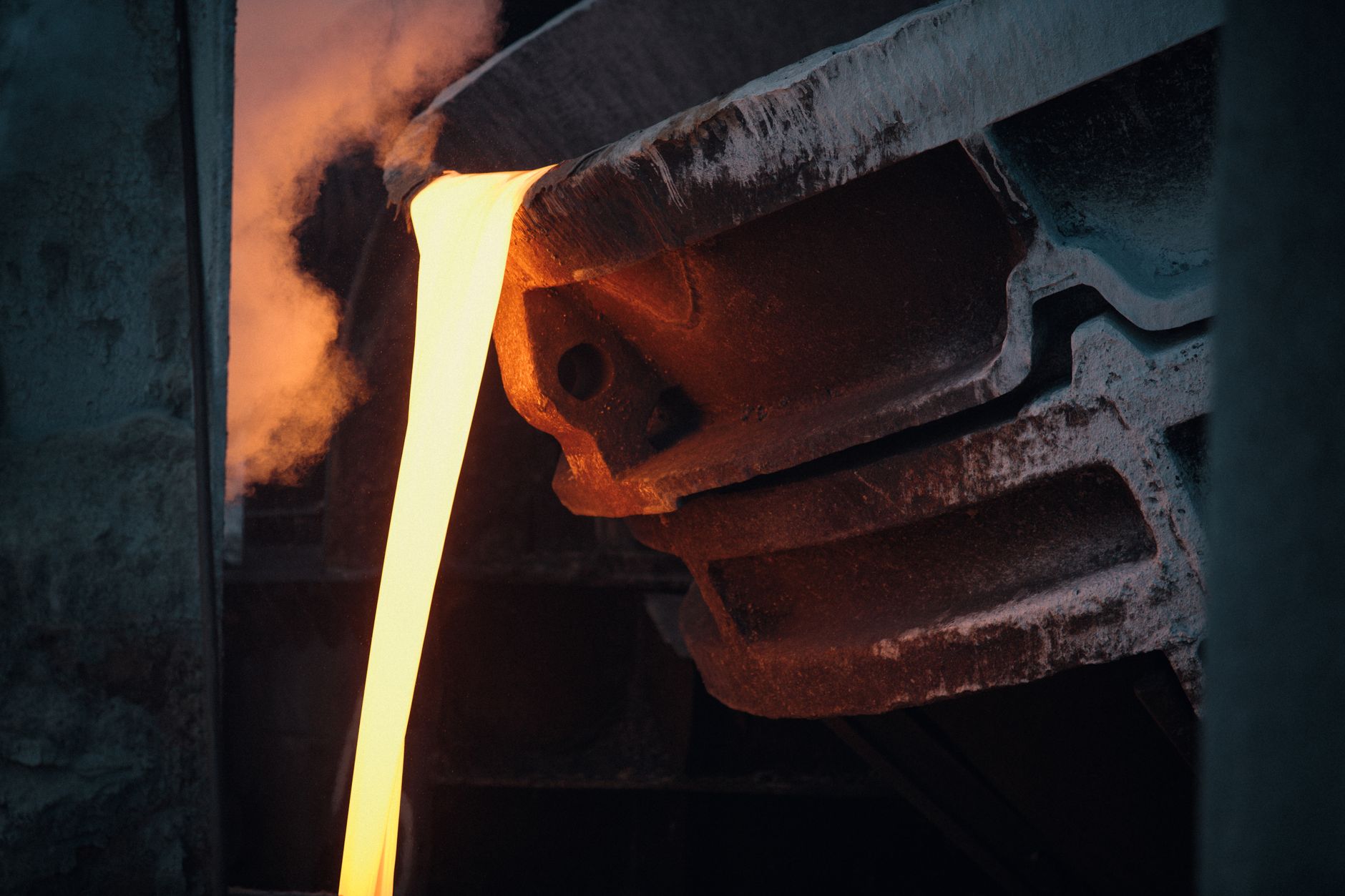
Photo: wal_ 172619 / Pexels
Key Highlights
- Ferro‑alloy prices are splitting: manganese down, ferro‑chrome up.
- Weak automotive demand is the primary driver of lower alloy costs.
- Supply constraints on ferro‑chrome keep stainless‑steel forging costs elevated.
- Flexible ingot and billet portfolios help buyers manage alloy price volatility.
Market Overview
Indian ferro‑alloy prices are diverging sharply this week. Manganese and ferro‑silicon are under pressure from weak downstream demand in the automotive and construction sectors, while ferro‑chrome maintains a modest premium because mine supply is tight. The split illustrates a classic supply‑demand imbalance: softer consumption dampens price moves for bulk alloys, but constrained imports of high‑grade ferro‑chrome keep its price buoyant.
Implications for Forging‑Grade Steel
Forging houses and OEMs that use alloy steels such as 42CrMo4 or SAE‑4140 must monitor these trends closely. Ferro‑alloys are essential inputs for achieving the required carbon and alloy‑element balances in ingot chemistry. A dip in manganese costs improves the economics of high‑strength alloy grades, whereas a sustained ferro‑chrome premium can raise the cost of stainless‑steel forgings.
Kesari Alloys Perspective
For a supplier like Kesari Alloys, the current pricing environment highlights the need for a broad portfolio of forging ingots and continuous‑cast billets that can be adjusted to fluctuating alloy‑element costs. Buyers seeking an alloy steel forging ingots manufacturer in India should assess the flexibility of the grade mix – for example, shifting between SAE‑4140 and 42CrMo4 in response to manganese and chromium market signals. Kesari Alloys’ forging ingots deliver the metallurgical consistency required for open‑die forging, ring rolling and upsetting, while the continuous cast billets and blooms give downstream rollers a stable feedstock despite short‑term alloy price swings.
Why This Matters for Steel Buyers
Price swings in key ferro‑alloys reshape the cost structure of alloy‑steel forgings. When manganese prices fall, manufacturers can increase the use of high‑strength grades like 42CrMo4 without eroding margins; conversely, a rising ferro‑chrome premium forces buyers to either absorb higher stainless‑steel costs or substitute with less chromium‑intensive alloys.
Strategic sourcing therefore hinges on supplier transparency. A manufacturer that publishes a complete steel grade family and can supply both ingots and billets enables buyers to align inventory with market cycles. Kesari Alloys’ steel grade family page lets purchasers compare specifications across carbon, alloy, stainless, spring and tool steels, helping them select the most cost‑effective grade for each forging application.
Frequently Asked Questions
How do ferro‑alloy price changes affect the cost of SAE‑4140 forgings?
Manganese and chromium are major constituents of SAE‑4140; a drop in manganese lowers the raw material cost, while any rise in ferro‑chrome can offset the benefit. Buyers should monitor both elements when budgeting.
Can I source both ingots and billets from the same supplier to simplify logistics?
Yes, a single source that offers both forging ingots and continuous cast billets reduces handling steps and ensures consistent chemistry across the supply chain.
What should a buyer look for in an alloy steel forging ingots manufacturer in India?
Look for a proven portfolio of grades, transparent chemistry data, and the ability to supply both ingots and downstream billets – capabilities that Kesari Alloys demonstrates.
Is it advisable to switch between 42CrMo4 and SAE‑4140 based on current ferro‑alloy prices?
Switching can be cost‑effective if the price differential of the alloying elements outweighs any redesign or heat‑treatment changes; evaluate the impact on mechanical requirements before making the change.
#ferro alloy prices
#alloy steel manufacturer india
#forging ingots
#steel sourcing
#price volatility