Market Shift Overview
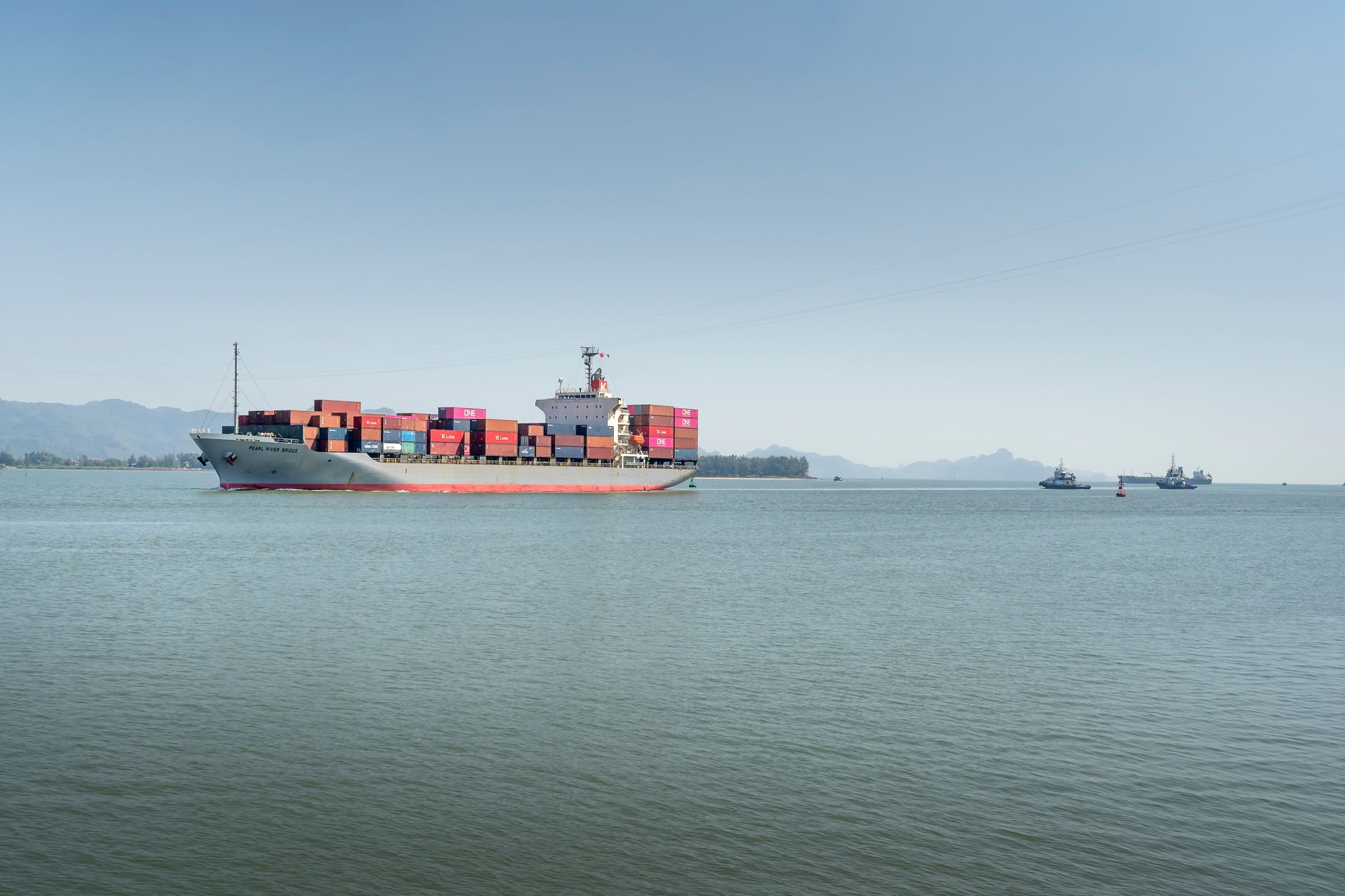
China’s steel export volumes slipped 0.7% year‑over‑year, a slowdown driven by tighter trade barriers and aggressive pricing from emerging producers in Southeast Asia and Eastern Europe. Although modest, the dip signals a broader rebalancing of global supply as Chinese mills curb shipments to protect domestic demand and avoid anti‑dumping investigations.
Implications for Forging Supply Chains
Forging firms that rely on high‑grade alloy and carbon steels for open‑die, ring‑rolling or upsetting operations will feel the ripple effect in pricing and lead‑times. With Chinese exporters pulling back, buyers can expect tighter inventories and a premium on grades such as 42CrMo4 or EN8. At the same time, the reduced flow opens a window for alternative sources that can guarantee consistent chemistry and traceable heat‑treatment.
Kesari Alloys Perspective
For Indian manufacturers like Kesari Alloys, the contraction in Chinese export capacity underscores the strategic value of a local supplier that offers a full suite of forging ingots, continuous‑cast billets and rolled bars. Buyers searching for "alloy steel forging ingots manufacturer in India" can source grades that meet the exacting specifications of automotive and heavy‑engineering applications without the volatility of overseas trade restrictions. Kesari Alloys’ portfolio—including carbon, alloy and stainless‑steel forging ingots—provides the metallurgical consistency required for high‑performance components, while its continuous cast billets continuous cast billets support ring‑rolling and upsetting processes with minimal re‑work.
Kesari Alloys Perspective
In this environment, forging companies should evaluate suppliers on their ability to deliver grade‑specific ingots and billets that align with design tolerances and heat‑treatment cycles. Kesari Alloys’ extensive grade catalogue, such as the widely used C45 carbon steel for crankshafts and gear shafts, offers a reliable alternative to Chinese imports. By partnering with a domestic producer, OEMs can reduce lead‑times, mitigate currency risk, and maintain tighter control over material provenance—critical factors when global trade dynamics shift.