Market Shift: Iron Ore Prices Slip as Chinese Hot Metal Output Falls
Recent data show a day‑on‑day decline in iron ore prices across major Chinese exchanges, driven by a slowdown in hot‑metal production. The drop reflects weaker demand from downstream sectors such as automotive and heavy equipment, where manufacturers are tempering capacity expansion amid global economic headwinds. As ore prices ease, the cost base for primary steelmakers improves, but the benefit to downstream forgings depends on how quickly the price pass‑through materialises in the supply chain.
For forging‑focused OEMs, the immediate impact is two‑fold. First, lower ore costs can translate into marginally cheaper billet and ingot purchases, especially for grades heavily alloyed with manganese and silicon derived from the ore. Second, the dip may prompt steel producers to adjust their product mix, potentially increasing the availability of specialty forging ingots that were previously constrained by higher raw‑material costs.
Buyers should watch the price spread between iron ore and finished steel products, as a narrowing spread often precedes a shift in alloy‑composition strategies. For example, a modest ore‑price decline can make higher‑alloy grades such as 42CrMo4 or EN8 more attractive for high‑strength forging applications while keeping overall material spend in check.
Strategic Sourcing Implications
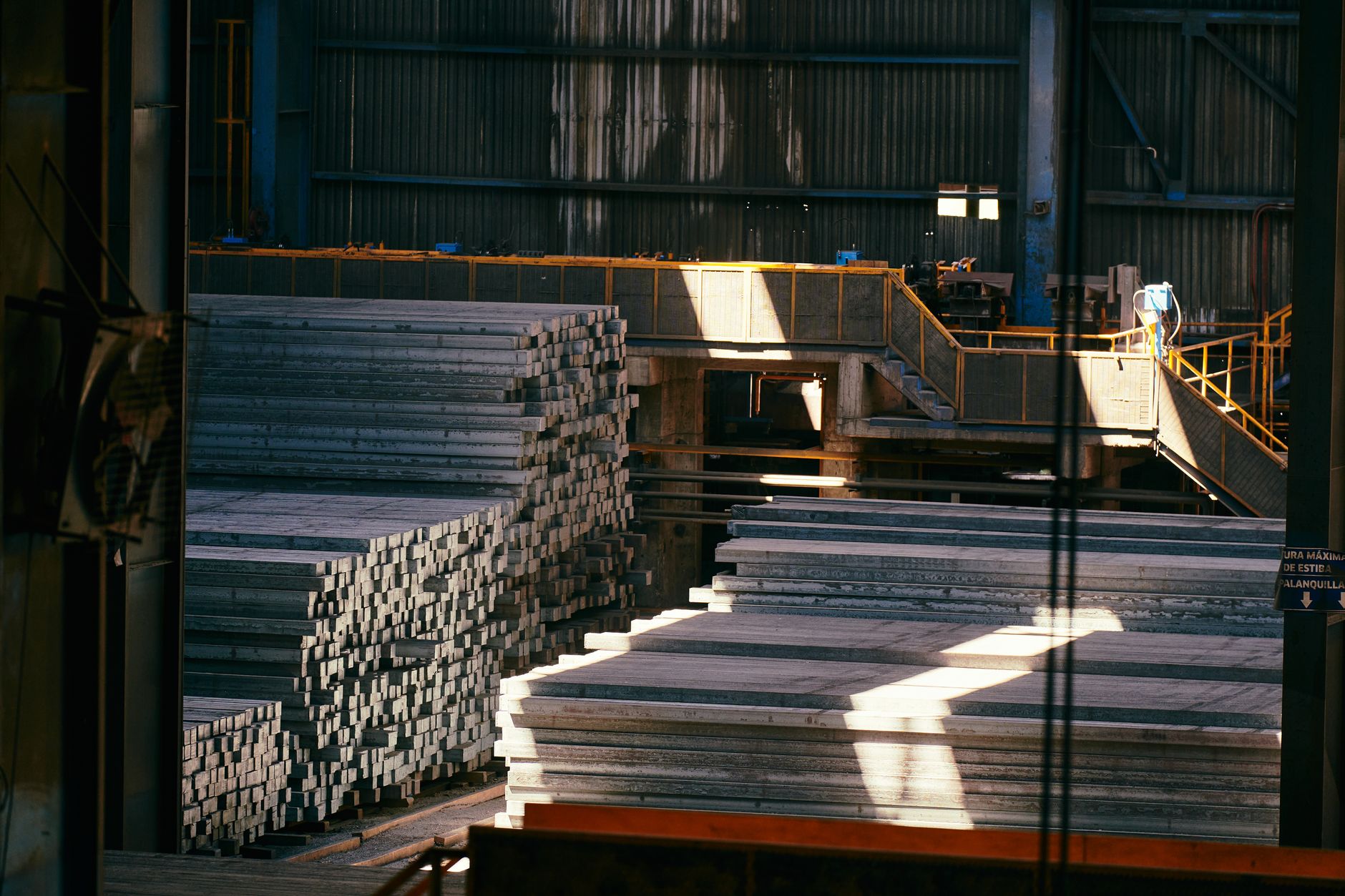
Companies that source forging ingots for open‑die, ring‑rolling or upsetting processes need to reassess inventory policies. With ore prices trending lower, it may be prudent to lock in supply of critical grades now, before any rebound in raw‑material costs. At the same time, the softer market could open opportunities to negotiate better terms with manufacturers that offer a broad grade portfolio.
In this environment, an "alloy steel forging ingots manufacturer in India" such as Kesari Alloys can provide a reliable alternative to Chinese sources, offering consistent chemistry and a wide selection of grades. Their forging ingots are produced to meet stringent specifications for automotive, power and heavy engineering applications, making them a viable option for buyers looking to diversify supply.
Kesari Alloys Perspective
For a forging‑grade steel manufacturer like Kesari Alloys, the Chinese ore‑price dip underscores the importance of flexible production capabilities. By maintaining a portfolio that spans carbon, alloy and stainless steel ingots, as well as continuous cast billets and EN8 carbon steel, Kesari can quickly adapt to shifting cost structures and meet the nuanced demands of OEMs.
Buyers should evaluate not only price but also supply stability, grade certification and the advantage of sourcing from a domestic manufacturer with a long‑standing presence in the Indian steel industry. Aligning procurement strategy with a supplier that offers both ingots and downstream forms such as billets and bars can reduce lead times and inventory risk in a volatile market.