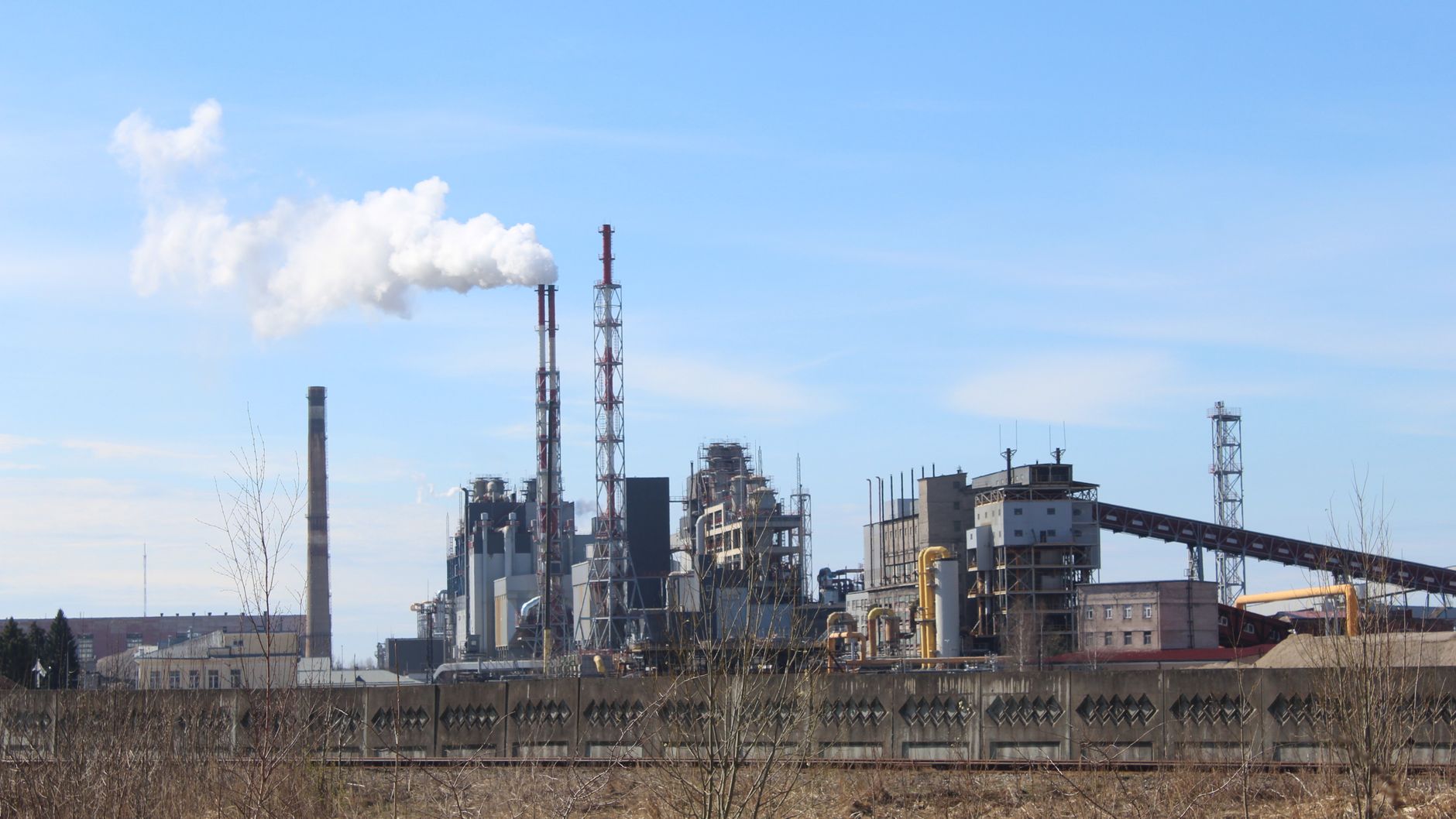
Market Shift: Rising Chinese Mill Inventories
Early‑Nov 2026 data from the China Iron and Steel Association (CISA) show an 11.2% rise in inventories at the nation’s key mills. The build‑up reflects slower downstream demand in the automotive and construction sectors and a strategic push by Chinese producers to stabilise prices after a volatile 2025‑26 period. For global OEMs and forging houses, the higher on‑hand volumes translate into tighter price pressure and greater negotiating power for buyers seeking to lock in supply.
Technically, the extra steel consists mainly of standard carbon and alloy grades used in open‑die forging and ring‑rolling. This matches the material profile most forging supply chains require—high‑quality ingots that can be reheated and formed without compromising mechanical properties. Buyers should therefore scrutinise the grade mix and certification of any imported stock to ensure it meets the stringent specifications of critical applications such as power‑generation shafts and oil‑&‑gas pressure vessels.
Implications for Forging‑Grade Steel Sourcing
With Chinese mills holding more product, Asian freight lanes are likely to see increased container loads, potentially reducing logistics costs for Indian and Southeast Asian buyers. At the same time, the surplus raises the risk of price undercutting, prompting forging companies to reassess sourcing strategies and diversify suppliers. Indian manufacturers like Kesari Alloys, an established alloy steel forging ingots manufacturer in India, can offer a locally‑sourced alternative that mitigates currency exposure and lead‑time uncertainty.
Buyers should compare the chemistry and mechanical performance of domestic ingots against the imported inventory. For example, the widely‑used C45 carbon steel grade, known for its good machinability and tensile strength, is available from Kesari Alloys and can be supplied as forging ingots or continuous‑cast billets depending on the downstream process.
C45 carbon steel
Kesari Alloys Perspective
Kesari Alloys’ portfolio of forging ingots, continuous‑cast billets and rolled bars is positioned to meet the same specifications that Chinese mills are currently stockpiling. The company’s focus on open‑die forging, ring‑rolling and upsetting means its products can seamlessly replace higher‑inventory Chinese steel in critical components without re‑qualification delays. For buyers looking to hedge against inventory‑driven price volatility, sourcing from an Indian supplier with a proven grade range provides both technical confidence and supply‑chain resilience.
In practice, a forging OEM might specify a 42CrMo4 alloy‑steel ingot for a high‑stress crankshaft and source it from Kesari Alloys, while using locally‑produced C45 billets for less demanding shafts. This mixed‑sourcing approach leverages the cost advantage of abundant Chinese inventory where appropriate, while retaining control over critical high‑performance grades through a trusted domestic partner.