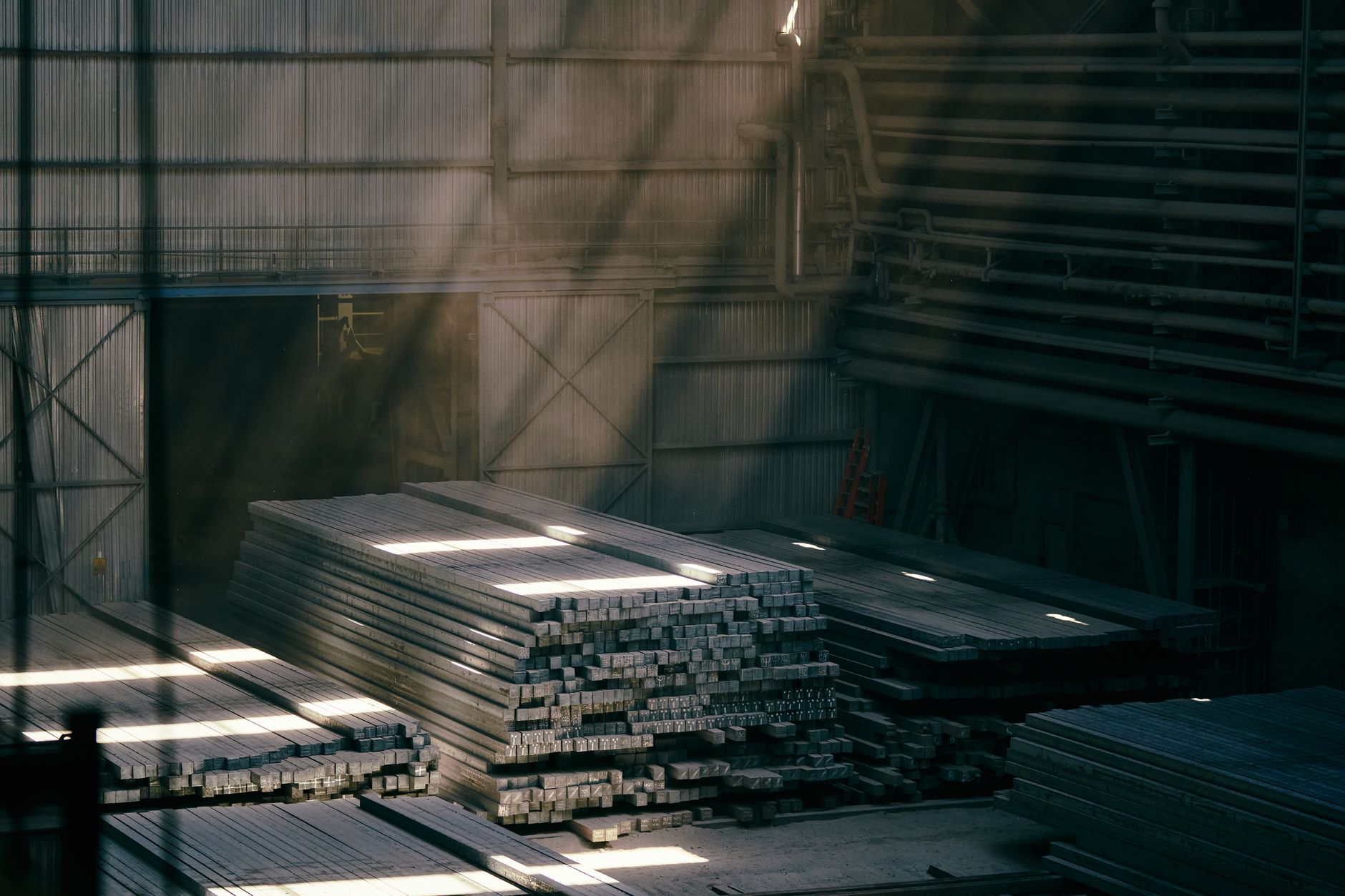
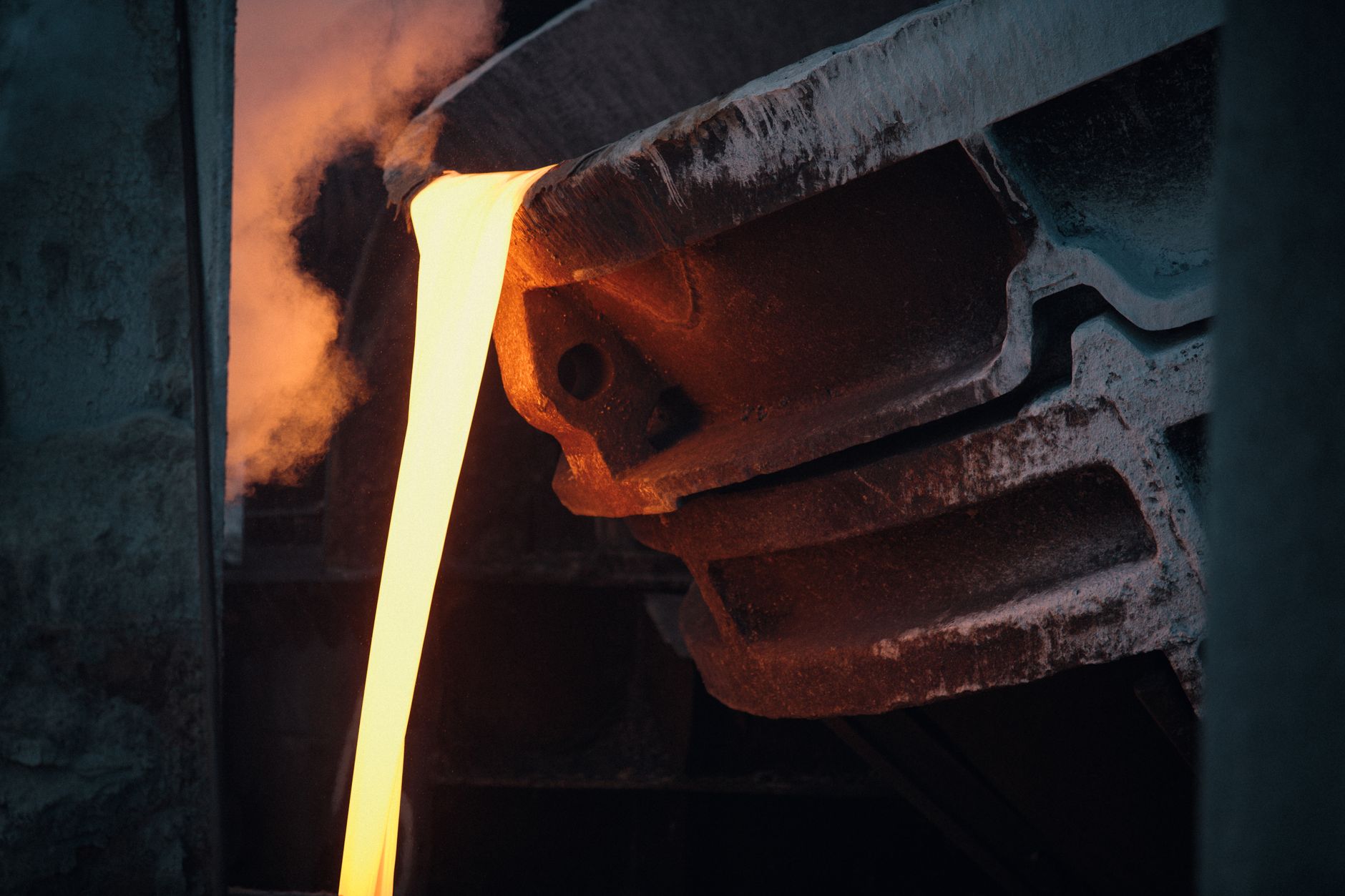
Market Shift Overview
Recent data from China show a clear decline in billet prices, driven mainly by weaker domestic consumption even as export interest modestly improves. The slowdown mirrors a broader contraction in Chinese manufacturing output and a cautious outlook for downstream sectors such as automotive and heavy equipment. For international buyers, the price dip creates a brief window to lock in raw material at more attractive rates, but heightened volatility also raises concerns about supply consistency.
Forging houses and OEMs that depend on high‑quality billets for ring‑rolling and upsetting must view the Chinese price trend as a signal to diversify their supply base. Although Chinese billets remain cost‑competitive, reduced demand can compress inventories and lengthen lead times for certain alloy families.
Implications for Grade Selection and Procurement
Buyers targeting medium‑carbon grades such as C45 or EN8 for gear shafts and crankshafts should watch the price spread between billet and ingot offerings. A softer billet market may tempt cost‑sensitive projects to shift toward continuous‑cast billets, but the mechanical properties required for high‑stress applications often still favor forged ingots.
In India, manufacturers like Kesari Alloys provide a stable alternative with a full suite of forging ingots, continuous‑cast billets, and rolled bars. Their portfolio includes grades that match Chinese offerings while delivering consistent chemical composition and traceability.
Kesari Alloys Perspective
For a forging‑grade steel supplier such as Kesari Alloys, the Chinese billet price dip underscores the advantage of a diversified product line. Customers can source forging ingots for critical open‑die and ring‑rolling projects, while also leveraging continuous cast billets for less demanding components, balancing cost and performance.
Because Kesari Alloys operates from Bhiwadi, Rajasthan, it offers an "alloy steel forging ingots manufacturer in India" option that mitigates reliance on volatile overseas markets. Buyers should evaluate specific grade requirements—such as the widely used C45 carbon steel—and match them against Kesari’s proven grade families to ensure both quality and supply security.