Raw Materials
China Pollution Limits Ripple Through Iron Ore Prices, Raising Forging Steel Cost Pressures
4h ago•10 November 2026•2 min read•Source: Yahoo Finance Singapore
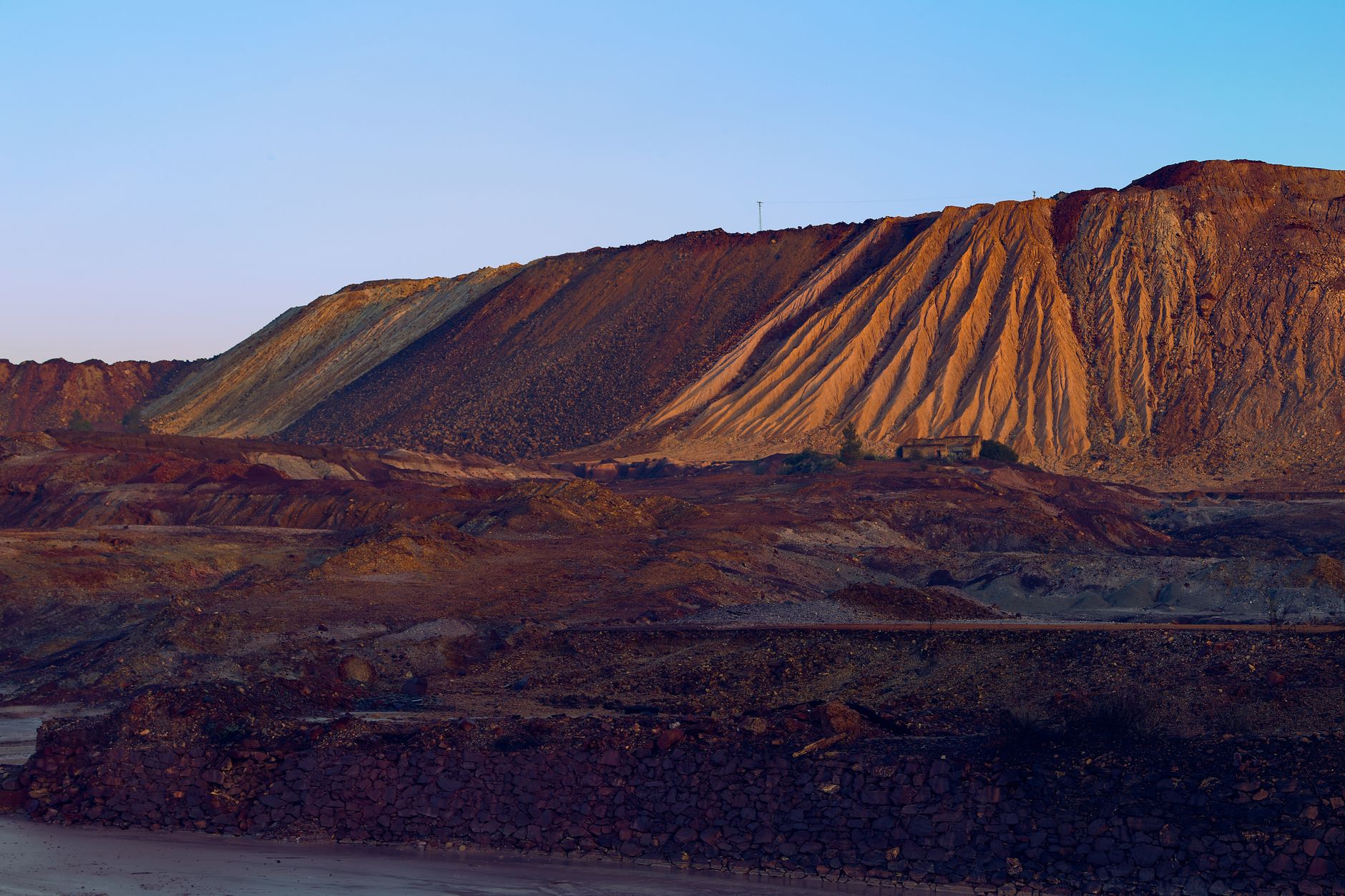
Photo: Jose E. Caceres Erbina / Pexels
Key Highlights
- China’s emissions curbs cut iron‑ore demand, pressuring global ore prices.
- Vale’s share decline signals tighter raw‑material markets for steelmakers.
- Forging‑grade ingots may see price pass‑through, prompting longer‑term contracts.
- Domestic suppliers with diversified ingot and billet lines can mitigate risk.
Market Shift and Its Immediate Impact
China’s recent tightening of emissions standards for steelmaking has cut domestic iron‑ore demand, pushing Vale’s share price down 3.84%. The curbs have forced Chinese mills to trim inventories and chase lower‑cost raw‑material contracts. For forging‑grade steel producers, the resulting iron‑ore price volatility squeezes margins on carbon and alloy ingots that are priced per ton.
Implications for Forging‑Grade Steel Supply Chains
When ore costs rise, manufacturers of open‑die and ring‑rolling ingots typically pass the increase on to downstream OEMs. Buyers of grades such as 42CrMo4, 4140 or EN8 must therefore revisit their price‑risk strategies—considering longer‑term contracts, inventory buffers, or alternative sourcing. The shift also heightens interest in domestic suppliers that can guarantee consistent chemistry and heat‑treatment records, a decisive advantage for high‑precision components.
Kesari Alloys Perspective
For a supplier like Kesari Alloys, the China‑driven ore squeeze underscores the value of a diversified product portfolio. Its forging ingots, produced in Bhiwadi, Rajasthan, are engineered for open‑die forging, ring rolling and upsetting, allowing customers to select the exact grade that balances performance and cost. The company’s continuous cast billets and blooms continuous cast billets provide an alternative feedstock for customers who prefer a semi‑finished form that can be rolled in‑house, reducing handling steps and exposure to raw‑material price swings. Buyers searching for an "alloy steel forging ingots manufacturer in India" will find that Kesari’s extensive grade list steel grade family offers both carbon and alloy options that can be matched to the evolving price environment while maintaining stringent quality standards.
Why This Matters for Steel Buyers
Iron‑ore price swings flow straight through to the cost of carbon and alloy forging ingots. Buyers who partner with suppliers capable of delivering stable chemistry in multiple product forms—such as forged ingots and forging ingots—can lock in predictable pricing and reduce exposure to raw‑material volatility.
Choosing a supplier with a broad grade portfolio, like Kesari Alloys’ steel grade family, lets OEMs shift between grades (e.g., C45, EN8, 42CrMo4) without sacrificing heat‑treatment consistency. This flexibility is crucial when inventory levels are being trimmed and price risk management becomes a priority.
Frequently Asked Questions
How do China’s pollution curbs affect the cost of forging steel ingots?
Reduced iron‑ore demand in China lifts ore prices, which are passed through to the cost of carbon and alloy ingots used in forging.
What product forms can help mitigate raw‑material price swings?
Choosing semi‑finished forms like continuous cast billets or blooms lets buyers control downstream processing and inventory, reducing exposure to price spikes.
Which Kesari Alloys grades are suitable for high‑strength forging applications?
Kesari Alloys offers a range of alloy grades such as 42CrMo4, SAE 4140, and EN8, all listed under its steel grade family.
Why consider Kesari Alloys as a supplier for forging ingots?
Kesari Alloys manufactures forging ingots, billets and rolled bars in India, providing consistent chemistry and a wide grade selection that aligns with OEM performance and cost requirements.
#iron ore price impact
#forging ingots
#alloy steel manufacturer india
#raw material volatility
#steel grade selection


