Company Updates
Brazilian Slab Surge Shifts Global Forging Material Strategies
4h ago•18 November 2026•2 min read•Source: Shanghai Metals Market
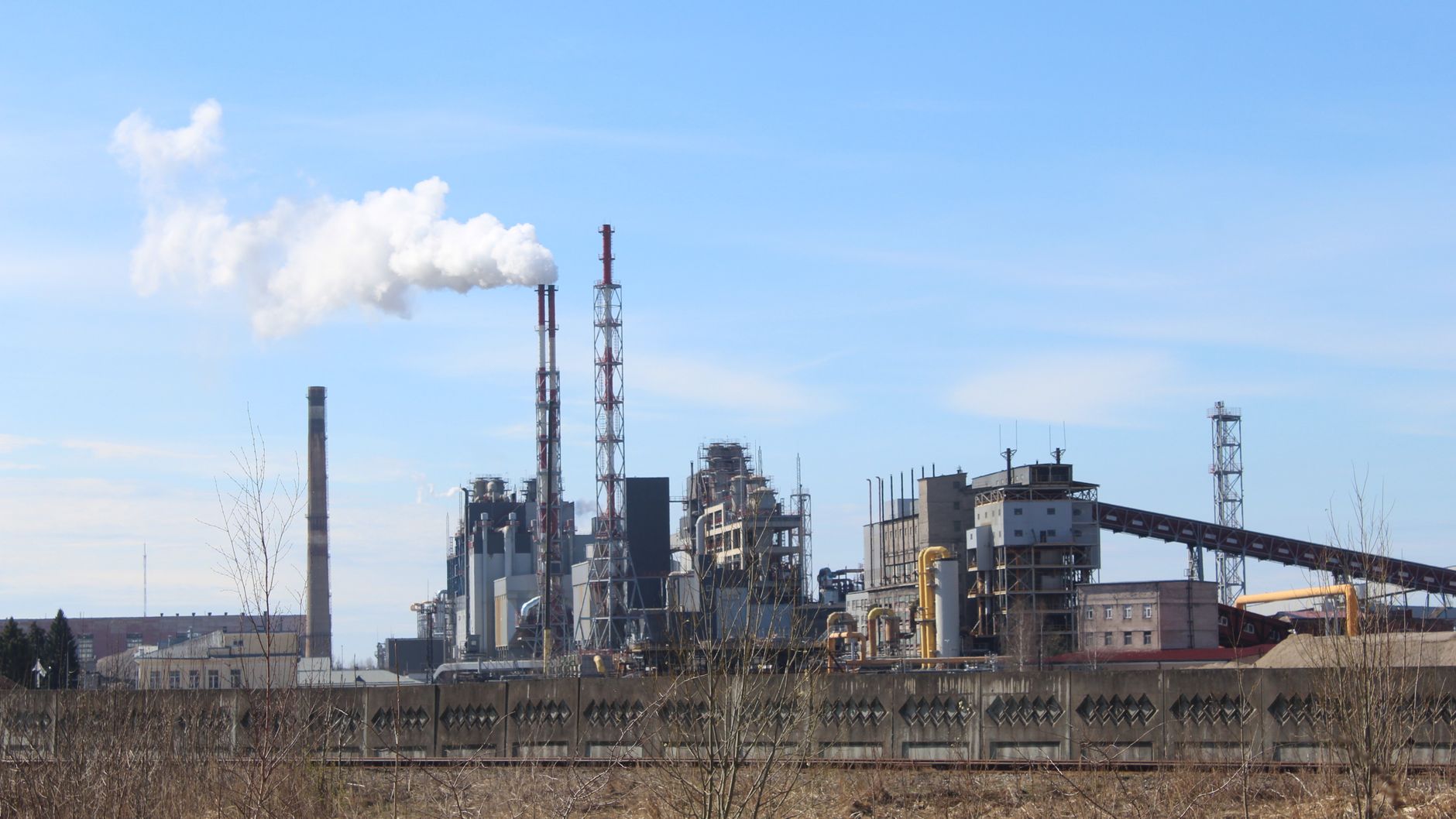
Photo: Paolo Rossa / Pexels
Key Highlights
- Brazilian slab prices reach record levels while Chinese HRC export prices decline
- Higher slab costs pressure forging input prices, especially for open‑die and ring‑rolling applications
- Diversified grade portfolios help OEMs mitigate regional price volatility
- Kesari Alloys provides both forging ingots and standard carbon grades like C45 for flexible sourcing
Market Shift Overview
Brazil’s domestic slab price has surged to a record high, while export supplies from China have tightened and hot‑rolled coil (HRC) export prices have slipped. The resulting price gap is forcing OEMs and forging houses to rethink raw‑material sourcing, especially for high‑strength carbon and alloy grades that are traditionally bought from Asian mills.
Implications for Forging Supply Chains
Higher slab costs in Brazil translate into higher billet and ingot prices for downstream producers that specialize in open‑die forging, ring rolling and upsetting. Buyers with long lead times often hedge this volatility by qualifying multiple suppliers. For instance, a supplier that stocks a broad portfolio—including 42CrMo4, SAE 4140 and EN8—can supply alternative alloy‑steel forging ingots that meet the same mechanical requirements, thereby cushioning regional price spikes. Kesari Alloys’ extensive grade catalogue makes it easier to match a specific application without having to switch to a completely different steel family.
Kesari Alloys Perspective
For a forging‑grade steel maker like Kesari Alloys, Brazil’s slab rally underscores the advantage of a diversified product line. Its forging ingots forging ingots are produced from both domestically sourced billets and imported steel, allowing customers to maintain consistent chemistry even when slab markets swing. In addition, the availability of standard carbon grades such as C45 carbon steel gives OEMs a reliable fallback for shafts and gears, reducing the need to chase spot‑market pricing.
Buyers should therefore prioritize suppliers that can provide both premium alloy ingots and widely used carbon grades from a single source, ensuring technical continuity and supply security amid global slab price turbulence.
Why This Matters for Steel Buyers
When Brazil’s slab prices jump, the cost of downstream billets and forgings can rise sharply. Buyers who have qualified a supplier with a full range of grades can switch to an alternative alloy ingot without redesigning the part, preserving budgets and lead times. Selecting a manufacturer that also offers continuous‑cast billets continuous cast billets guarantees a steady feedstock stream for ring‑rolling and upsetting operations.
In practice, a purchasing team can lock in the price for a known grade like C45 today, while retaining the option to move to a higher‑strength alloy if slab‑driven price pressure intensifies later in the year.
Frequently Asked Questions
How can I reduce exposure to volatile slab prices when sourcing forging steel?
Qualify a supplier with a broad grade portfolio and both ingot and billet capabilities, so you can switch grades without redesigning the part.
Does Kesari Alloys offer grades suitable for high‑strength automotive forgings?
Yes, Kesari Alloys provides alloy steel forging ingots covering grades such as 42CrMo4 and SAE 4140, alongside carbon options like C45.
What advantage does continuous cast billet supply give a forging shop?
Billets provide a uniform starting material for ring rolling and upsetting, improving dimensional control and reducing scrap.
Where can I find detailed specifications for a carbon steel grade like C45?
Kesari Alloys’ C45 carbon steel page lists chemistry, mechanical properties and typical applications for quick reference.
#steel market
#forging ingots
#alloy steel manufacturer india
#continuous cast billets
#carbon steel grades