Company Updates

Bombay Coated & Special Steels Expands Surface‑Treatment Capacity – Implications for Forging Steel Buyers

Bombay Coated & Special Steels Expands Surface‑Treatment Capacity – Implications for Forging Steel Buyers

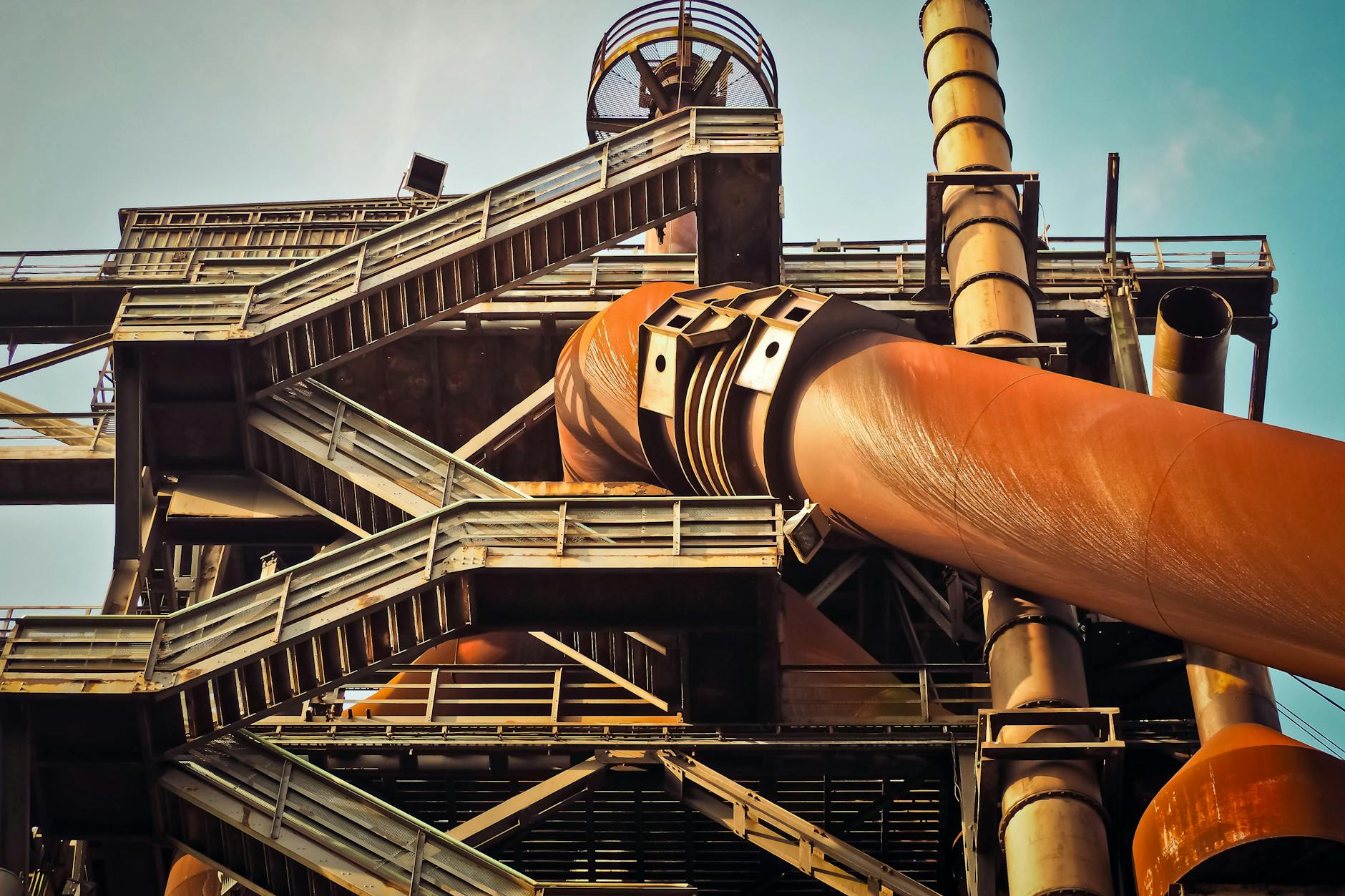
Photo: Bas Geerlings / Pexels

Key Highlights

  • Bombay Coated adds 30% capacity in galvanising and hot‑dip lines
  • OEMs seek steel grades that reduce coating passes and improve corrosion resistance
  • Forging ingots and billets with consistent chemistry become critical supply items
  • Kesari Alloys offers a full grade family suitable for open‑die, ring‑rolling and upset forging
  • Buyers should verify supplier traceability and heat‑treatment records

Industry Development

Bombay Coated and Special Steels Ltd announced a 30% increase in its electro‑galvanizing and hot‑dip lines to meet rising demand from the automotive and infrastructure sectors. The expansion coincides with tighter emissions standards that are pushing OEMs toward higher‑grade, corrosion‑resistant components. As coating capacity tightens, downstream buyers are re‑evaluating the raw‑material mix that feeds their forging and stamping operations.

Market Context for Forging Materials

When coating windows shrink, pressure on forging‑material suppliers intensifies. OEMs seek alloys that combine good formability with inherent corrosion resistance, thereby reducing the number of coating passes required. This trend favors steel families that can be supplied as high‑quality forging ingots or billets, enabling manufacturers to optimise heat‑treatment and surface‑finishing schedules. For buyers, the priority is to source grades that meet the mechanical demands of open‑die forging while fitting seamlessly into downstream coating processes.

Kesari Alloys Perspective

For a supplier like Kesari Alloys, the Bombay Coated expansion underscores the need for a diversified product portfolio. Our forging ingots cover carbon, alloy and stainless families that can be machined to the tight tolerances required before galvanising. Likewise, the continuous cast billets and blooms provide a seamless feedstock for ring‑rolling operations, delivering consistent chemistry that helps downstream coaters achieve uniform thickness. Buyers should therefore assess whether their supplier can guarantee grade stability and traceability – criteria that Kesari Alloys meets through its long‑standing presence in Bhiwadi, Rajasthan.

In practice, selecting a grade such as C45 or EN8 from our extensive steel grade family allows OEMs to balance strength and weldability while keeping coating cycles efficient. The strategic advantage lies in partnering with a manufacturer that offers both the raw material and the technical support to integrate new coating capacities without compromising forging quality.

Why This Matters for Steel Buyers

The new coating capacity compresses schedules for parts that must be forged, heat‑treated and then coated. Selecting a reliable forging‑grade steel—such as those listed on our C45 carbon steel or EN8 carbon steel pages—helps maintain dimensional stability through the additional thermal cycles of coating.

Suppliers that can deliver both ingots and continuous‑cast billets give buyers the flexibility to align the forging process with the coating line’s throughput, reducing inventory holding costs and lead times. Evaluating a manufacturer’s grade portfolio and its ability to meet ISO‑based chemical tolerances has become a decisive factor in supplier qualification.

Frequently Asked Questions

What forging grades are best suited for parts that will be hot‑dip galvanized?
Carbon steels like C45 and EN8 provide good formability and can be heat‑treated to achieve the required strength before galvanising.
Can Kesari Alloys supply both ingots and billets for the same grade?
Yes, Kesari Alloys offers both forging ingots and continuous cast billets for many of its alloy and carbon grades, enabling seamless production flow.
How does consistent chemistry affect the coating quality of forged components?
Uniform chemistry reduces variations in surface hardness, which leads to more even coating thickness and fewer re‑work cycles.
Where can I find detailed specifications for Kesari Alloys’ C45 grade?
The full specification, chemistry and application notes are available on the Kesari Alloys C45 carbon steel grade page.
#forging ingots #alloy steel manufacturer india #continuous cast billets #steel grade selection #coating industry impact
Source reporting: Business Standard · original article