Company Updates

AI‑Driven Market Shift Boosts Tata Steel, Opens Opportunities for Forging‑Grade Steel Suppliers

AI‑Driven Market Shift Boosts Tata Steel, Opens Opportunities for Forging‑Grade Steel Suppliers

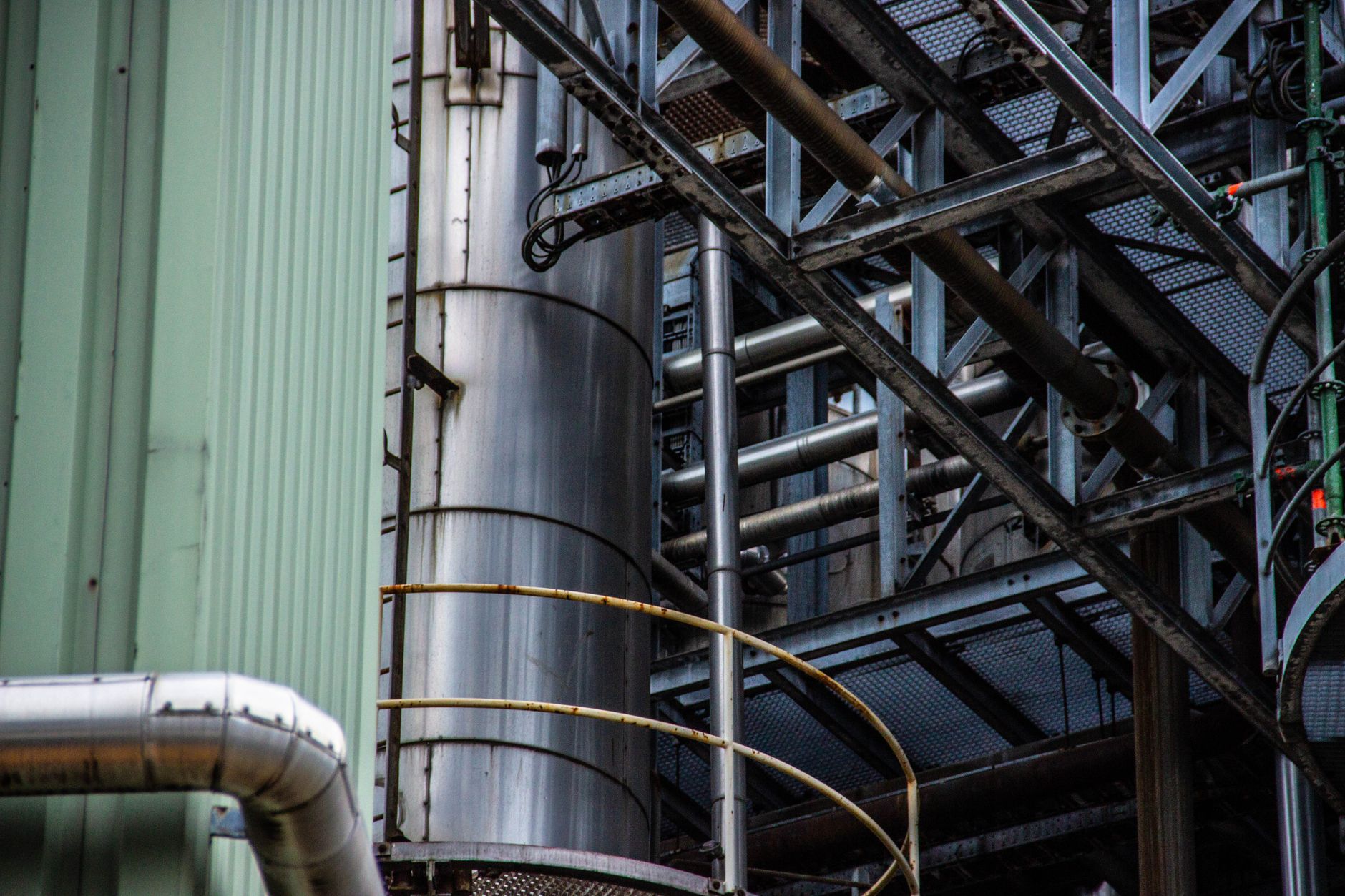
Photo: Bas Geerlings / Pexels

Key Highlights

  • AI sell‑off lifts anti‑tech stocks, benefitting traditional steel producers like Tata Steel.
  • Rising demand for forging components drives tighter scrutiny of alloy and carbon steel grades.
  • Domestic suppliers can mitigate freight volatility by offering locally cast ingots and billets.
  • Kesari Alloys provides a full suite of forging ingots, billets and standard grades such as C45.
  • Early qualification of melt certifications helps OEMs lock in supply for capital projects.

Market Move and Its Ripple Effect on Steel Supply

The recent AI‑related sell‑off has lifted anti‑tech equities, allowing traditional heavy‑industry players such as Tata Steel to post noticeable gains. Investors are rotating into sectors that depend on tangible assets—energy, infrastructure and metal production—because they view them as less speculative than pure‑play AI stocks. This rotation sharpens focus on the downstream steel value chain, especially the grades required for forging critical components in automotive, power and oil‑&‑gas equipment.

For OEMs and forging houses, the rally translates into a clearer pricing signal for high‑strength alloy and carbon steels used in open‑die forging, ring rolling and upsetting. As demand for robust components rises, buyers will scrutinise chemical consistency, heat‑treatment response and availability of standard grades such as C45 carbon steel and alloy grades like 42CrMo4. Suppliers that can guarantee tight tolerances and traceable melt history become more valuable in a market where inventory turns are tightening.

Implications for the Forging Materials Landscape

India’s forging sector is benefitting from a dual trend: a resurgence in domestic capital projects and a renewed appetite for imported equipment that requires high‑grade forging ingots. Companies that source ingots locally can reduce lead‑times and avoid the freight spikes that often accompany global commodity volatility. Kesari Alloys, with its long‑standing presence in Bhiwadi, offers a portfolio that spans carbon, alloy and stainless steel forging ingots suitable for the processes highlighted above. Buyers should evaluate the breadth of grades, the consistency of continuous casting, and the ability to supply both standard and custom specifications.

Kesari Alloys Perspective

For a forging‑grade steel manufacturer like Kesari Alloys, the market’s tilt toward traditional heavy‑industry stocks underscores the importance of maintaining a robust inventory of ingots and billets that meet automotive, power and oil‑&‑gas specifications. The company’s extensive grade catalogue, including carbon steels like C45 and alloy families, enables customers to source directly from an "alloy steel forging ingots manufacturer in India" rather than relying on overseas shipments.

Buyers looking to lock in supply for upcoming projects should engage early with Kesari Alloys to verify melt certifications and discuss any heat‑treatment requirements that align with their component designs. By partnering with a domestic supplier that offers both forging ingots and continuous cast billets and blooms, OEMs can better manage lead‑times and cost exposure in a market that now favours tangible, asset‑backed steel products.

Why This Matters for Steel Buyers

– The swing toward heavy‑industry equities is likely to generate a surge in orders for high‑strength forging steels over the next 3‑6 months. Buyers should audit their supplier roster and give preference to manufacturers that can prove consistent chemistry and predictable heat‑treatment response. Partnering with a supplier that offers a full steel grade family reduces the need to qualify multiple vendors, shortening the qualification phase and lowering engineering risk.

Because projects in power generation and oil‑&‑gas are now being fast‑tracked, short lead‑times on both ingots and continuous‑cast billets become a competitive advantage. Securing a reliable domestic source today shields buyers from the price spikes that typically follow a demand surge, and it provides greater control over inventory levels and schedule certainty.

Frequently Asked Questions

What grades are most suitable for open‑die forging of automotive crankshafts?
Grades such as C45 carbon steel and alloy steels like 42CrMo4 are commonly used; Kesari Alloys offers these grades as forging ingots with proven consistency.
How can I verify the chemical consistency of forging ingots from a new supplier?
Request mill test certificates and, if possible, perform a sample chemical analysis; Kesari Alloys provides detailed melt certifications for each batch.
Is it better to source billets or ingots for a ring‑rolling operation?
Both can work, but continuous cast billets often provide tighter dimensional control and reduce machining, making them a preferred choice for many ring‑rolling lines.
Can Kesari Alloys help with custom alloy specifications for pressure‑vessel components?
Yes, as an experienced forging ingots manufacturer in India, Kesari Alloys can work with customers to develop alloy chemistries that meet specific pressure‑vessel standards.
#steel market #forging ingots #alloy steel manufacturer india #carbon steel grades #continuous cast billets
Source reporting: The Hindu BusinessLine · original article