Market Shift: Zinc Ingot Prices Pull Back
Recent data from Indian metal exchanges show a modest decline in zinc ingot prices after a three‑month rally. The easing is driven by a short‑term dip in downstream demand from galvanising plants, while primary zinc mine output remains constrained by logistics bottlenecks in western India. Analysts warn that the relief could be temporary, as inventory levels stay low and import duties keep the cost base elevated.
Ripple Effect on Forging‑Grade Steels
Zinc is a key alloying element in many high‑strength steel grades used for automotive and heavy‑engineering components. A softer zinc market can reduce the cost of zinc‑coated forgings, but the underlying tightness in raw‑material supply may keep alloy‑steel prices firm. Buyers of carbon and alloy forging ingots should monitor the zinc trend because it influences both the cost of zinc‑plated finishes and the heat‑treatment cycles of steels such as 42CrMo4 or 4140.
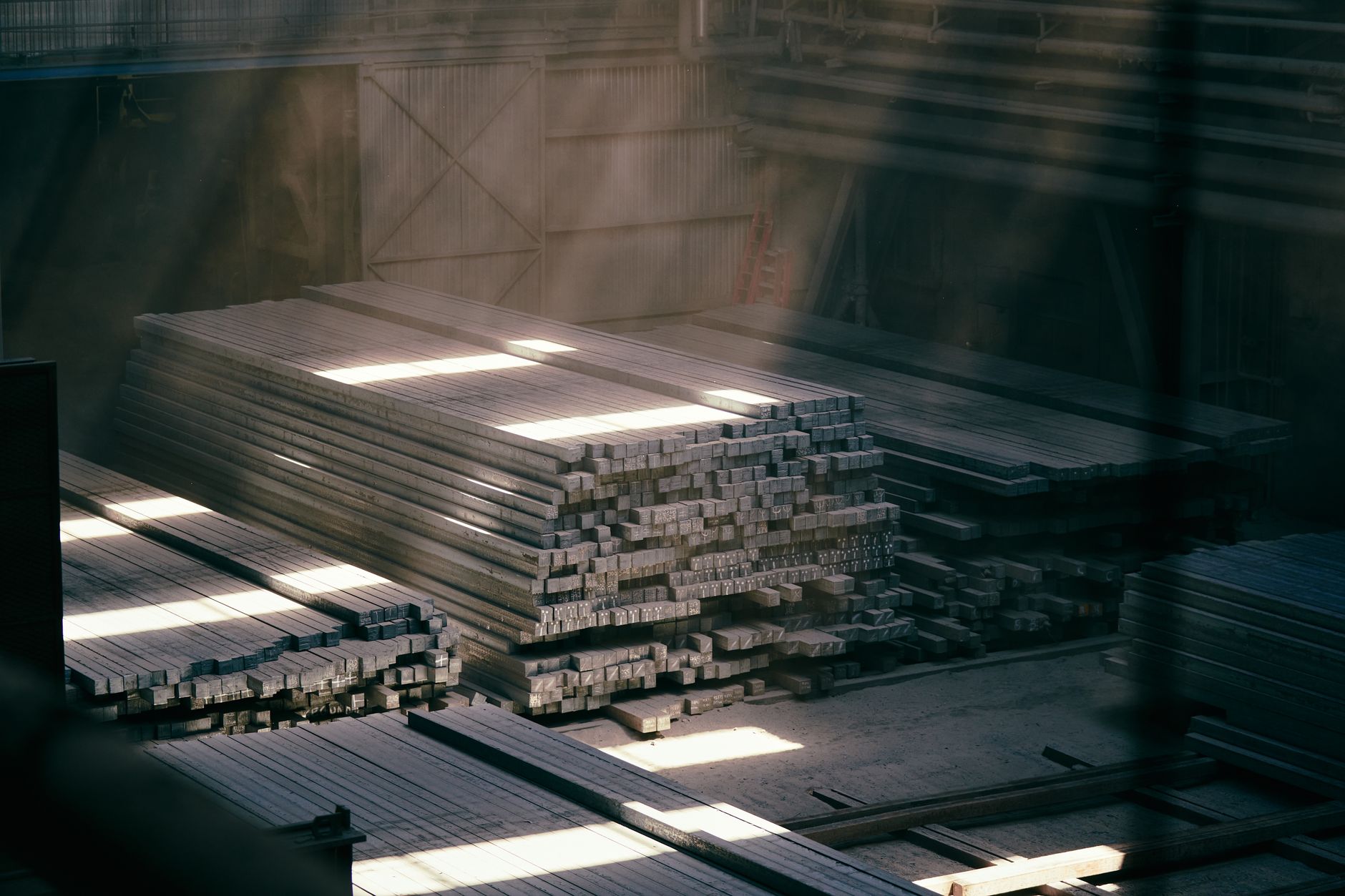
For manufacturers sourcing raw steel, the focus remains on consistent quality and traceability. Kesari Alloys offers a full suite of forging ingots that meet the metallurgical requirements of open‑die, ring‑rolling and upsetting operations. Their catalogue includes more than 100 grades, allowing engineers to select a composition that balances mechanical performance with downstream coating costs. See the range of forging ingots for carbon, alloy and stainless options.
In addition to ingots, many OEMs prefer continuous‑cast billets for near‑net‑shape forging, which reduce machining time and scrap. Kesari Alloys’ continuous cast billets and blooms are produced to tight dimensional tolerances, supporting efficient ring‑rolling and upsetting workflows.
The broader grade portfolio, summarised in the steel grade family overview, helps buyers match material specifications to the evolving cost dynamics of zinc‑related finishes.
Kesari Alloys Perspective
The recent moderation in zinc ingot pricing offers a brief window for cost‑sensitive projects, but the underlying supply constraints mean that forging‑grade steel manufacturers must continue to prioritise reliable sourcing. Kesari Alloys’ extensive ingot and billet product lines give buyers the flexibility to choose grades that minimise the impact of zinc‑coat price volatility while maintaining the mechanical integrity required for high‑stress applications.
Buyers should evaluate total landed cost—not just raw‑steel price—by factoring in coating, heat‑treatment and machining expenses. Partnering with an Indian supplier such as Kesari Alloys, which provides both forging ingots and continuous‑cast billets, can simplify logistics and reduce lead‑time risk in a market where material supplies remain tight.