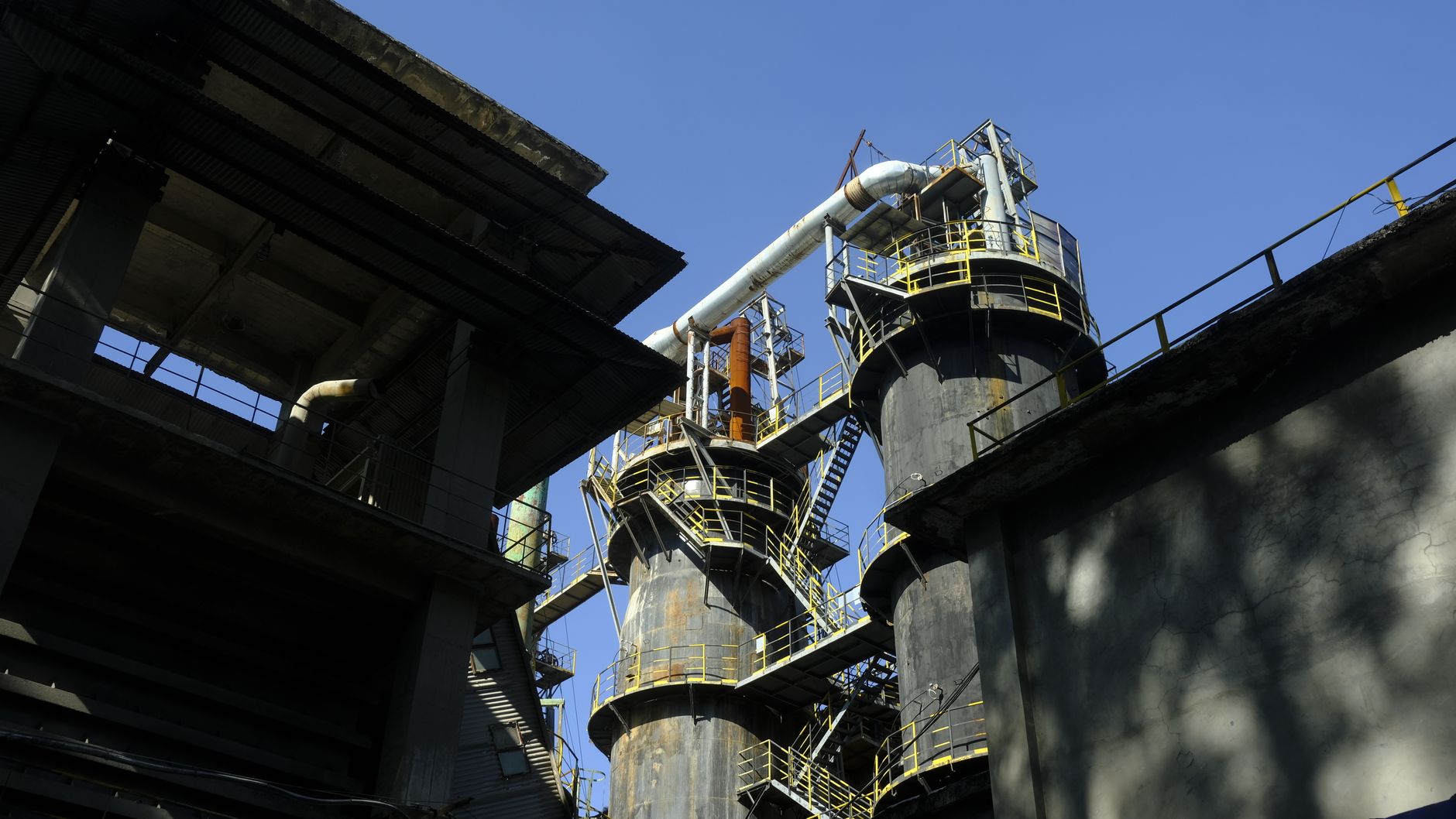
Market Shift: Zinc Spot Premiums Taper
Recent data show zinc ingot prices easing after a period of acute physical shortages that had driven spot premiums well above contract levels. The correction reflects a modest improvement in inventory at major Asian warehouses and a slowdown in downstream demand from galvanising and battery sectors. While zinc is not a primary forging material, its price trajectory influences alloy‑steel producers that use zinc‑plated components or zinc‑based fluxes in heat‑treatment processes. A softer zinc market can reduce ancillary costs for OEMs and distributors, freeing budget for higher‑grade forging steel purchases.
For forging manufacturers, the price dip also hints at broader raw‑material dynamics. Copper and nickel, key alloying elements in many high‑strength steels, have shown parallel volatility. Buyers must therefore reassess total cost of ownership across the alloying chain, not just the headline price of the primary steel grade.
Implications for Forging Steel Procurement
When zinc premiums recede, cost pressure on alloy steels such as 42CrMo4 or EN8 diminishes, making it an opportune moment to lock in supply of forging ingots and billets. Companies that source from an Indian manufacturer with a broad grade portfolio can benefit from localized pricing stability and reduced freight variance compared with European or Chinese suppliers.
Engineers designing open‑die or ring‑rolling components should verify that the selected grade matches the required tensile strength, impact toughness, and machinability, while also confirming that the supplier can deliver the ingot form factor needed for their forging line.
Kesari Alloys Perspective
Kesari Alloys, an established Indian producer of carbon, alloy and stainless steel forging ingots, continuously cast billets and rolled bars, is well positioned to serve customers looking to capitalize on the current zinc‑price easing. Their extensive grade catalog—including widely used carbon steels such as C45 carbon steel and EN8 carbon steel—covers the mechanical properties required for automotive, power and heavy‑engineering applications. Buyers should evaluate the ingot and billet specifications against their forging processes (open die, ring rolling, upsetting) and consider the logistical advantage of sourcing from a domestic manufacturer when zinc‑related ancillary costs are lower.
In practice, a procurement team might source C45 ingots for crankshaft forgings while pairing them with continuous‑cast billets for ring‑rolled shafts, leveraging Kesari Alloys’ integrated product range to streamline inventory and reduce handling steps.



