Market Shock from Vale’s Cost Estimates
The recent disclosure by Vale that soaring energy and freight rates—driven by the Middle East conflict—have rendered roughly one‑tenth of the world’s seaborne iron‑ore cargoes unprofitable is reshaping the raw‑material landscape. Steel buyers now face tighter supply margins, and freight forwarders are pushing charter rates higher. The pressure will cascade downstream, especially for high‑volume, cost‑sensitive sectors such as automotive manufacturing and heavy‑engineering forging.
Implications for Forging‑Grade Steel Procurement
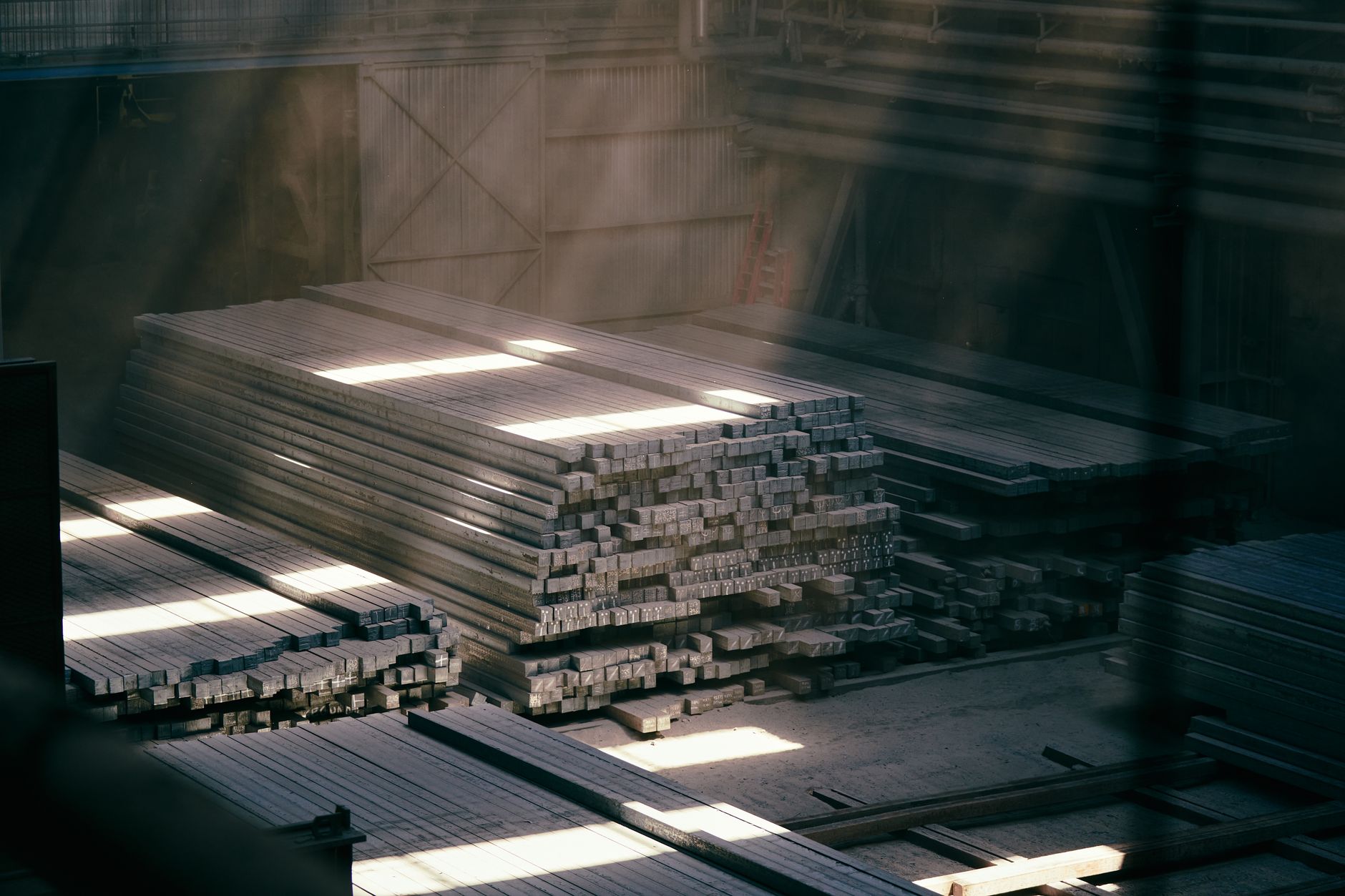
Forging houses typically lock in alloy and carbon‑steel feedstock months in advance to secure price and maintain consistent chemistry. With iron‑ore price volatility, the cost of steel billets and ingots can swing sharply, prompting OEMs to revisit inventory strategies. For customers needing open‑die or ring‑rolling grades, sourcing from a supplier with a broad grade portfolio and flexible product forms becomes a decisive advantage.
Kesari Alloys offers a complete line of forging ingots that serve open‑die, ring‑rolling and upsetting operations, enabling manufacturers to match precise mechanical requirements while managing cost exposure.
Kesari Alloys Perspective
For a forging‑grade steel maker like Kesari Alloys, Vale’s development underscores the value of diversified sourcing and value‑added product formats. By supplying continuous‑cast billets, rolled bars and specialty ingots, Kesari helps customers hedge against raw‑material spikes and keep production running smoothly. Buyers should evaluate suppliers on grade depth, product flexibility, and the ability to deliver consistent chemistry in a volatile market—criteria that align with Kesari’s long‑standing capabilities as an alloy‑steel forging ingots manufacturer in India.