Market Shift and Price Ripple Effects
Tata Steel’s recent share dip, driven by softer domestic demand and tighter export margins, signals a broader shift in the Indian steel market. While equity moves are short‑term, the pressure on hot‑rolled coils, billets and specialty alloys is likely to persist. Buyers in automotive, power and heavy‑engineering are already seeing narrower spreads between raw‑material costs and finished‑product prices, prompting a re‑evaluation of material budgets.
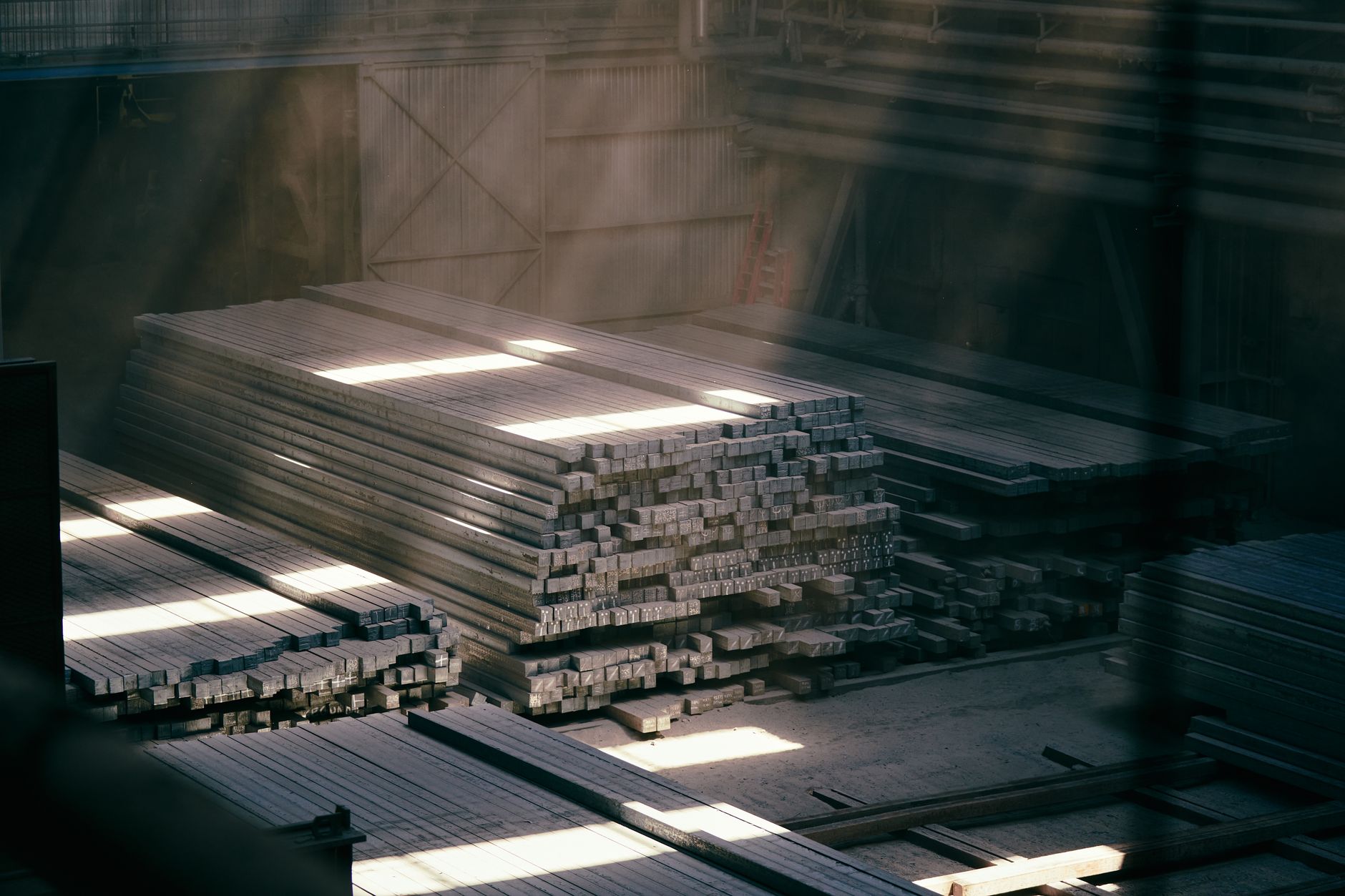
For forging houses, the chief concern is the cost of high‑grade billets and ingots that feed open‑die and ring‑rolling operations. A decline in Tata Steel’s stock often precedes a strategic realignment of its own supply chain, which can tighten availability and raise prices for standard grades such as EN8 and C45. Companies that source directly from dedicated forging‑ingot manufacturers can blunt this volatility by locking in grades that meet their design specifications.
Strategic Sourcing in a Fluctuating Market
When steel prices wobble, OEMs and distributors must first confirm that the grades they purchase are truly fit for purpose. Choosing the right alloy—whether a carbon steel like C45 carbon steel for crankshafts or a higher‑strength alloy such as EN8 for gear shafts—prevents over‑engineering and unnecessary cost premiums. Moreover, partnering with a supplier that offers both forging ingots and continuous‑cast billets adds flexibility, allowing a switch between open‑die forging and ring‑rolling without a change‑over delay.
Buyers should also evaluate the breadth of a supplier’s grade portfolio. A comprehensive steel‑grade family, as listed on the steel grade family page, enables quick cross‑referencing when a preferred grade is temporarily out of stock due to market swings. This agility is essential for keeping production schedules on track while navigating price turbulence.
Kesari Alloys Perspective
For a forging‑grade steel manufacturer like Kesari Alloys, Tata Steel’s market movement underscores the value of a diversified product line. Our forging ingots—available in carbon, alloy and stainless grades—are engineered for open‑die forging, ring rolling and upsetting, giving customers the ability to source the exact material needed without relying on a single mill’s output. Likewise, our continuous‑cast billets and blooms provide ready feedstock for downstream rolling mills, ensuring that even when primary steel producers adjust pricing, the supply chain remains resilient.
Buyers seeking an "alloy steel forging ingots manufacturer in India" should assess chemical‑composition consistency, heat‑treatment capabilities and the ability to ship both ingots and billets to match their production flow. Kesari Alloys’ long‑standing presence since 1987 and its focus on the forging, automotive and heavy‑engineering sectors make it a reliable partner for managing price volatility while maintaining material quality.